One of the most common questions we hear from customers shopping for antique iron beds is simple:
“Why does one antique iron bed cost $300 while another costs $3,000?”
At first glance, they may appear similar. Both may be painted black. Both may have decorative castings. Both may be over 100 years old. Yet the difference in price can be dramatic.
The answer comes down to a combination of materials, construction, design complexity, craftsmanship, rarity, and restoration quality. Just as with antique furniture, automobiles, or artwork, not all antique iron beds were created equal.
Understanding these differences can help you recognize quality and make an informed purchasing decision.
The Quality Of The Original Materials
 One of the biggest differences between lower-priced and higher-priced antique iron beds is the material used in their construction.
During the late Victorian and early twentieth-century periods, manufacturers produced iron beds at every price level. Some were built as inexpensive, mass-produced household furnishings, while others were intended for affluent homes and luxury hotels.
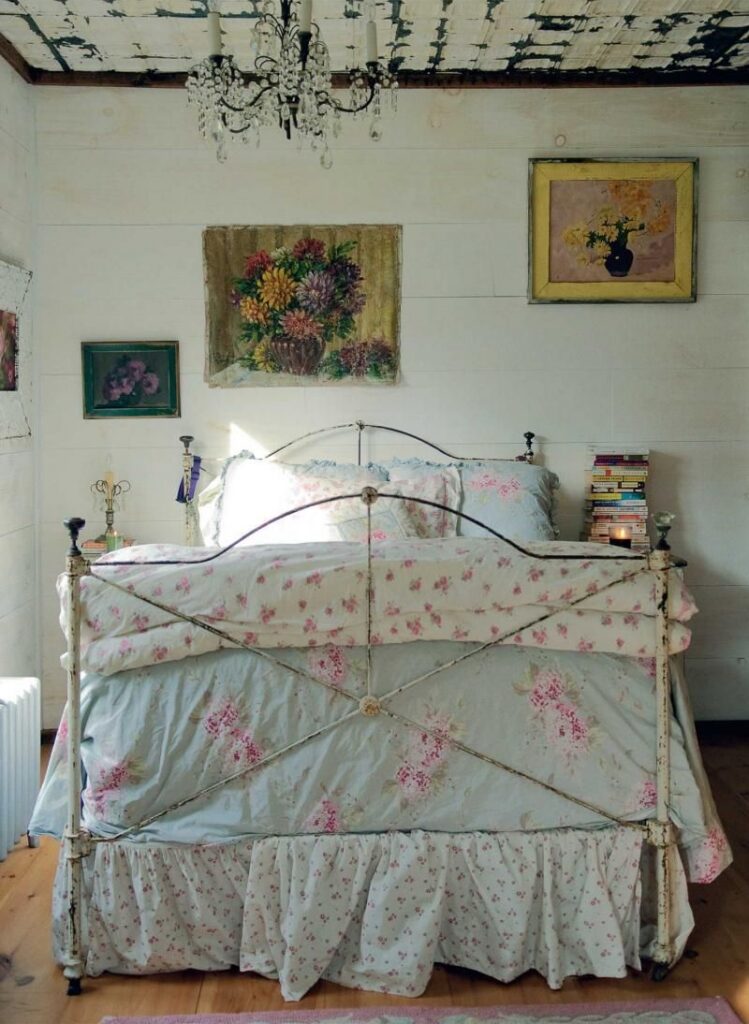
Lower-end beds were often constructed using relatively thin solid rod or lightweight components. These beds served their purpose but were never designed to be statement pieces.
Higher-quality antique iron beds typically feature substantial thick-wall tubing. The tubing is heavier, stronger, and more expensive to manufacture. Even today, when you handle one of these beds, the difference is immediately apparent. The frame feels solid and substantial rather than light and flimsy.
The heavier construction also contributes to longevity. Many of the finest iron beds have survived more than a century because they were built using superior materials from the start.
Castings: The Jewelry Of Antique Iron Beds
Another major factor affecting value is the number and quality of castings.
Castings are the decorative iron components found throughout many antique iron beds. They often appear at joints, corners, mounting points, and decorative focal areas on both headboards and footboards.
Inexpensive beds may feature only a few simple castings—or none at all.
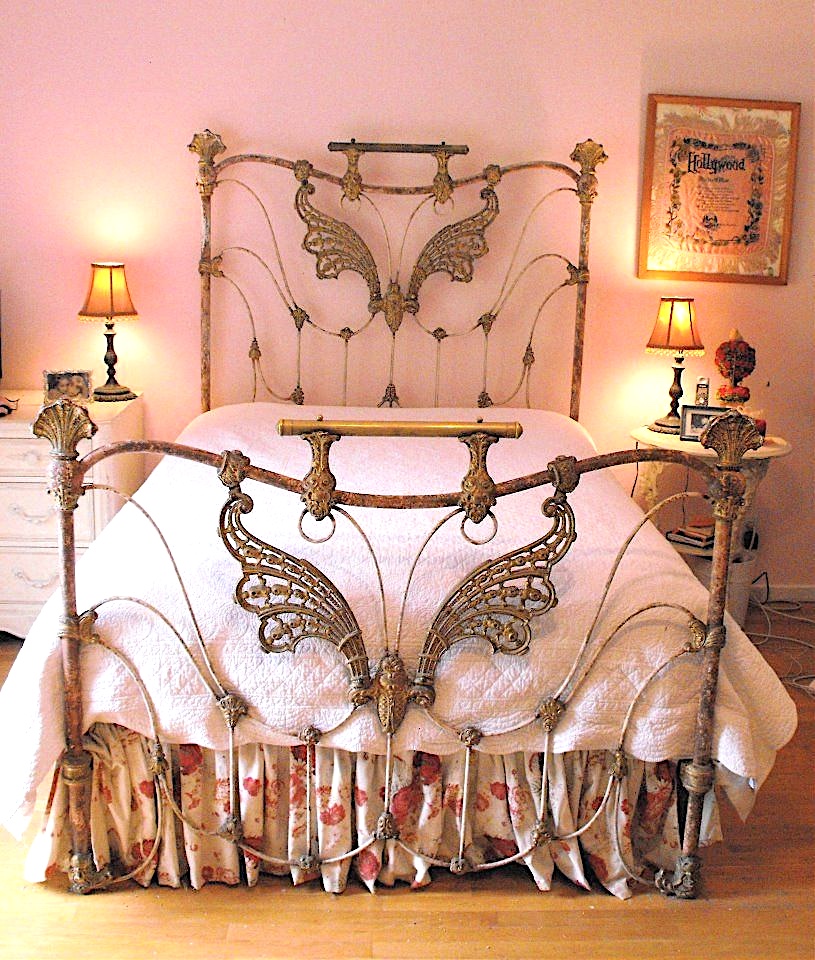
By contrast, premium antique iron beds often contain dozens of castings. These pieces were individually designed and manufactured using molds, requiring additional labor and expense.
The detailing within the castings is equally important.
Simple castings may feature basic geometric shapes with little ornamentation. More valuable examples often display intricate floral patterns, scrollwork, leaves, rosettes, ribbons, or classical motifs. The depth and sharpness of these details frequently reflect the quality of the original design and manufacturing process.
Collectors and decorators are naturally drawn to beds with exceptional castings because they provide character, elegance, and visual interest that cannot be replicated by modern mass production.
The Importance Of Design Complexity
 Not all iron beds require the same amount of labor to manufacture.
Many lower-priced examples consist primarily of straight vertical rods connected by horizontal rails. While attractive in their simplicity, these designs are generally easier and less expensive to produce.
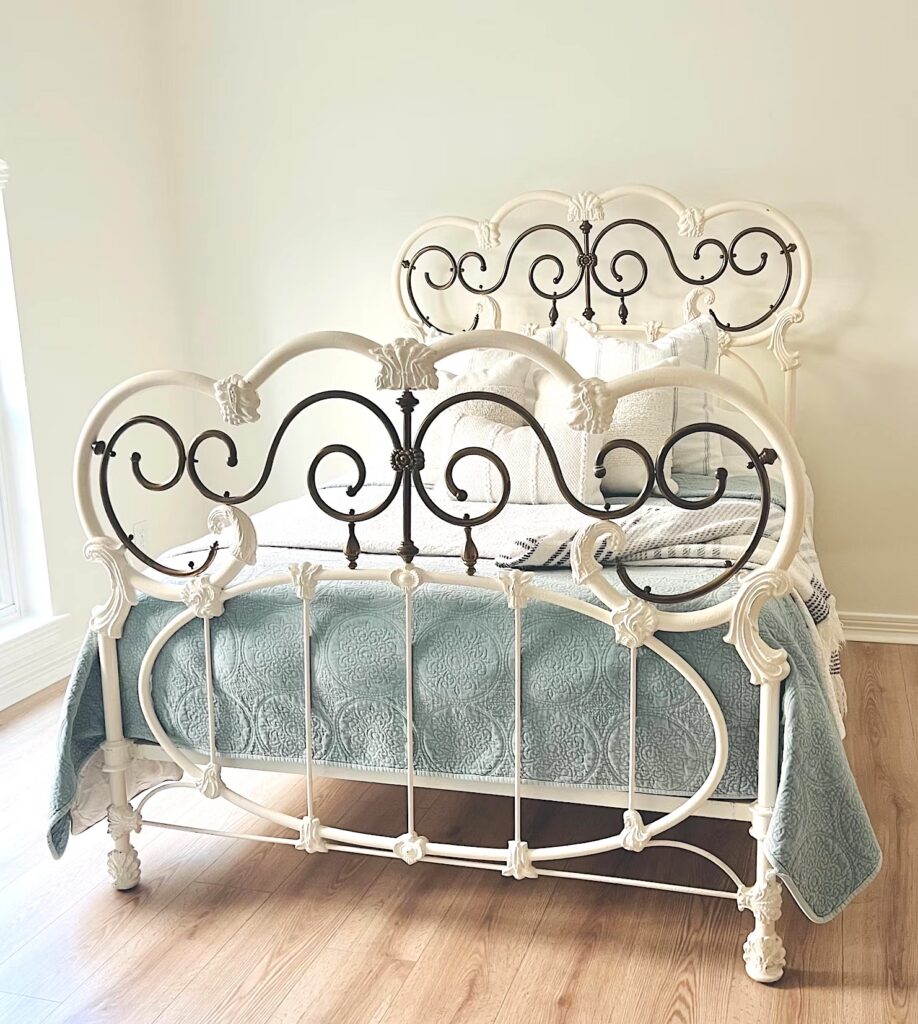
At the other end of the spectrum are highly decorative antique iron beds featuring extensive scrollwork, curves, arches, and ornamental detailing.
Every scroll had to be formed, shaped, and assembled. Every decorative element increased manufacturing time and cost. In many cases, skilled craftsmen were required to complete the work.
When you compare a simple straight-tube design to an elaborate Victorian bed covered in flowing scrolls, you’re looking at two entirely different levels of craftsmanship.
This remains true today. More intricate designs continue to command higher values because they represent significantly greater artistic and manufacturing effort.
Victorian Beds Versus Utilitarian Beds
The Victorian era produced some of the most beautiful antique iron beds ever made.
These beds often featured towering headboards, elaborate castings, graceful curves, and intricate decorative elements. They were designed to be focal points within the bedroom.
Not surprisingly, these highly decorative models generally command higher prices than simpler utilitarian examples.
Many lower-cost antique iron beds were originally intended for boarding houses, servant quarters, institutions, or modest family homes. Their design emphasized function over decoration.
While these beds can still be charming and useful, they typically lack the visual impact and craftsmanship associated with more desirable Victorian examples.
Restoration Makes A Huge Difference
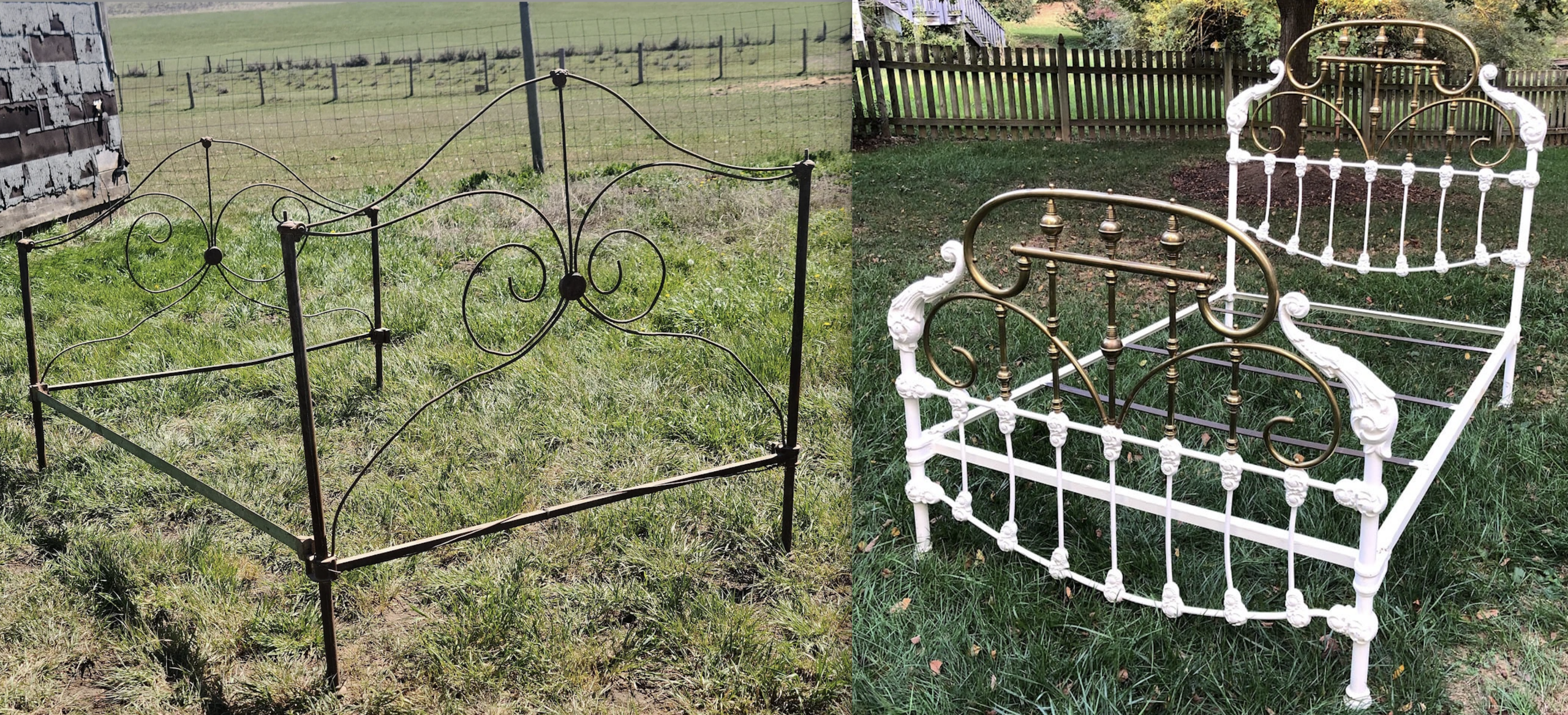
When comparing a $300 bed to a $3,000 bed, restoration quality is often one of the biggest factors.
Many inexpensive antique iron beds are sold “as found.” They may have layers of old paint, surface rust, loose joints, missing hardware, bent components, or decades of accumulated wear.
A professionally restored antique iron bed is an entirely different product.
Proper restoration often involves:
- Complete disassembly
- Paint removal
- Rust removal
- Structural repairs
- Replacement of damaged hardware
- Fabrication of missing components
- Careful reassembly
- Priming and finishing
The labor involved can be extensive.
In many cases, dozens of hours are invested in a single bed before it is ready for installation in a customer’s home.
This restoration work not only improves appearance but also ensures the bed remains functional and stable for years to come.
Rarity And Desirability
 As with most antiques, rarity influences value.
Some antique iron beds were produced in enormous quantities. Others were manufactured in limited numbers or by highly regarded makers.
Beds with unusual designs, exceptional castings, distinctive proportions, or uncommon finishes are often more desirable to collectors and decorators.
Over time, many examples have been lost, damaged, or discarded. As surviving numbers decline, the best examples become increasingly difficult to find.
This scarcity naturally contributes to higher prices.
Size Matters
Original antique iron beds were commonly produced in sizes that differ from today’s mattress standards.
Some rare sizes are more desirable than others, particularly when they can be adapted to modern mattresses without compromising the bed’s appearance.
Larger beds often command higher prices simply because they are harder to find.
The size of the headboard and footboard can also affect value. Tall, dramatic examples tend to attract more attention and frequently become centerpieces in interior design projects.
Comparing Antique Iron Beds To Modern Reproductions
Another factor worth considering is the difference between genuine antique iron beds and modern reproductions.
Many inexpensive metal beds available today are manufactured using lightweight materials and simplified construction methods. While they may imitate antique styling, they rarely match the weight, craftsmanship, or detail of original pieces.
A genuine antique iron bed represents a piece of history.
The quality of the castings, the thickness of the materials, and the individuality of the design often distinguish original examples from modern reproductions.
This authenticity is one reason many homeowners continue to seek out antique iron beds rather than purchasing newly manufactured alternatives.
Long-Term Value
Price and value are not always the same thing.
A $300 bed may seem like a bargain initially, but if it requires extensive repairs, restoration, or replacement, its true cost can become much higher.
A properly restored antique iron bed may represent a larger initial investment, but it often provides superior durability, beauty, and long-term satisfaction.
Many of the finest iron beds have already survived for more than a century. With proper care, they can continue serving future generations.
That kind of longevity is increasingly rare in today’s furniture market.
The Bottom Line
When comparing a $300 antique iron bed to a $3,000 antique iron bed, you’re often comparing far more than just two beds.
You’re comparing thin materials to substantial construction.
You’re comparing simple designs to intricate craftsmanship.
You’re comparing minimal castings to richly detailed ornamentation.
You’re comparing unrestored condition to professional restoration.
And perhaps most importantly, you’re comparing ordinary examples to exceptional ones.
Not every customer needs the most elaborate Victorian showpiece. There is certainly a place for simpler antique iron beds, vintage iron beds, and even practical metal beds with clean, understated lines.
However, once you understand the differences in materials, design, craftsmanship, and restoration, it becomes much easier to see why some iron beds command premium prices while others remain at the lower end of the market.
In the world of antique iron beds, quality has always mattered—and more than a century later, it still does.