Ask someone today what people kept under their beds during the Victorian Era, and you’ll probably hear the same answer: bedroom slippers.
That’s certainly true. But if you had asked someone living in 1890 what belonged under the bed, chances are they would have answered with something far less glamorous—a chamber pot.
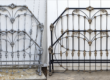
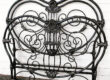
After spending more than fifty years restoring and selling antique iron beds, I’ve noticed something that most people never think about. Nearly every original Victorian iron bed has approximately 13 inches of clearance from the floor to the bottom of the side rails. Coincidentally—or perhaps not—just about every antique chamber pot I’ve ever handled was designed to fit comfortably beneath that space.
It raises an interesting question.
Was the space under the bed simply wasted room, or was it carefully used as valuable storage in an age when homes had fewer closets, fewer bathrooms, and very little unused space?
The answer tells us a fascinating story about everyday life in Victorian America.
The Chamber Pot: The Most Common Thing Under the Bed
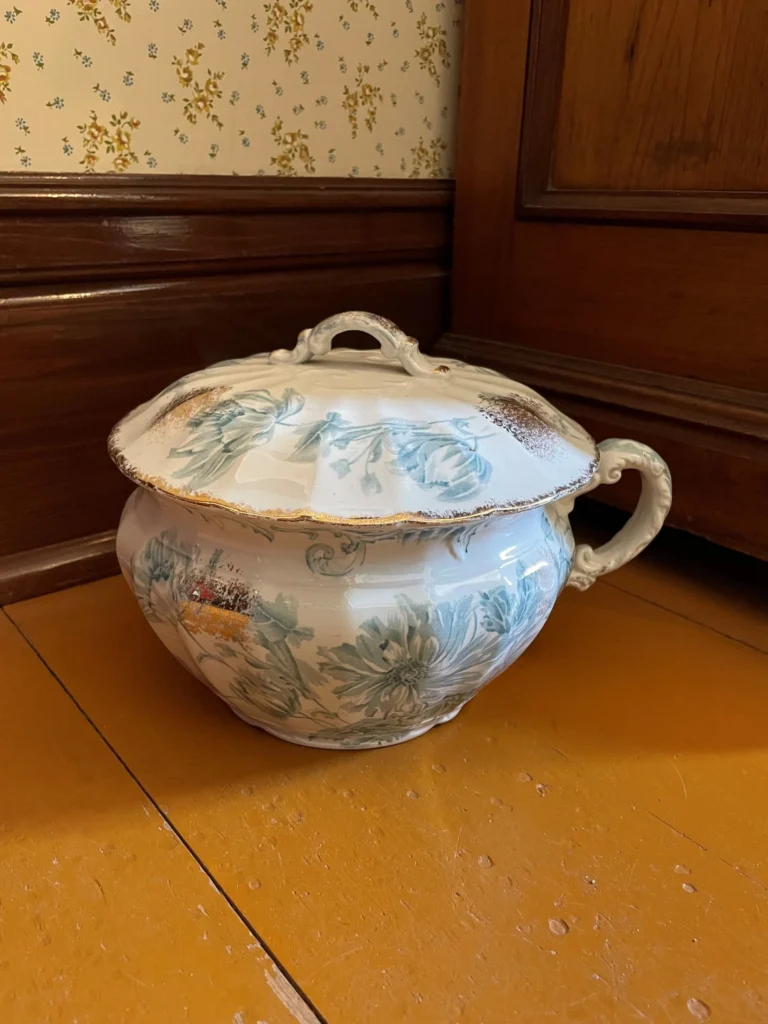
Let’s begin with the obvious one.
Before indoor plumbing became commonplace, the chamber pot was as ordinary a household item as a toothbrush is today.
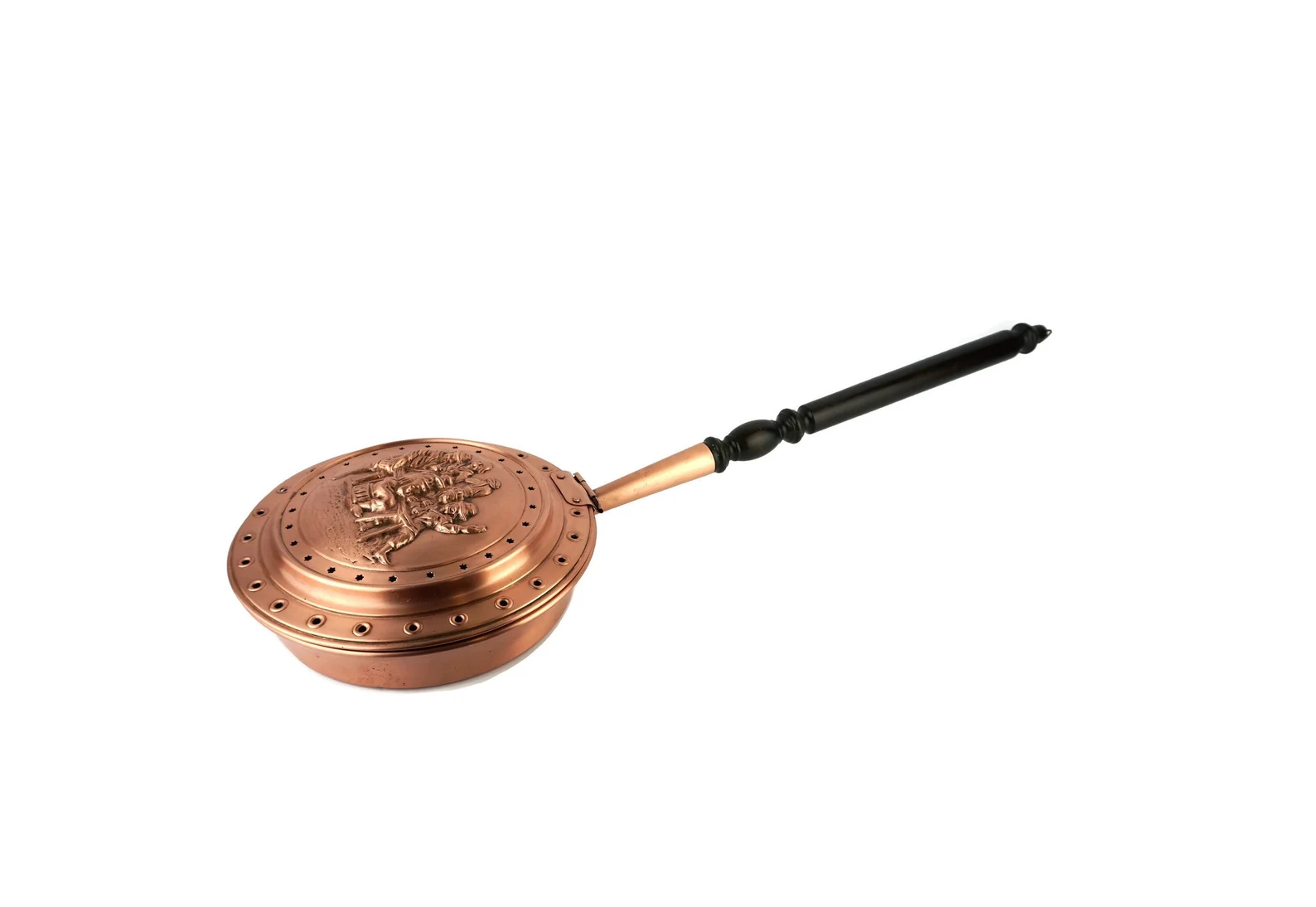
Many younger people have heard the term but have never actually seen one. A chamber pot was a ceramic or porcelain bowl with a handle, used as a nighttime toilet. Instead of making a trip outside to the privy—or later, to a detached bathroom—people could relieve themselves without leaving the warmth of their bedroom.
It may sound unpleasant by today’s standards, but for families living through harsh winters, it made perfect sense.
Imagine it’s January in 1885.
There’s no central heat.
Your bedroom has long since cooled after the fire downstairs burned out.
It’s ten degrees outside.
The nearest outhouse sits fifty feet away through snow and ice.
Suddenly, the humble chamber pot becomes one of the most appreciated household conveniences imaginable.
Most chamber pots were intentionally made low and wide. They slid easily beneath the bed where they remained out of sight during the day. If you’ve ever examined an original Victorian iron bed, you’ll notice that the space underneath seems almost perfectly proportioned for exactly that purpose.
Whether furniture makers planned it that way or simply accommodated everyday life, the fit is remarkably consistent.
Why Victorian Beds Sat Higher Off the Floor
Modern platform beds often leave only a few inches of clearance underneath.
Victorian beds were different.
Most antique iron beds were noticeably higher, providing generous storage space below the side rails.
Part of that height was practical. Mattresses were much thicker than many people realize because they often consisted of rope supports, featherbeds, horsehair mattresses, cotton ticking, and additional bedding stacked together.
But another advantage was the usable space beneath.
Victorian homes simply didn’t have the storage capacity we enjoy today.
Walk-in closets didn’t exist.
Built-in cabinets were limited.
People made use of every available inch.
The space beneath the bed became valuable real estate.
More Than Just a Place for Chamber Pots
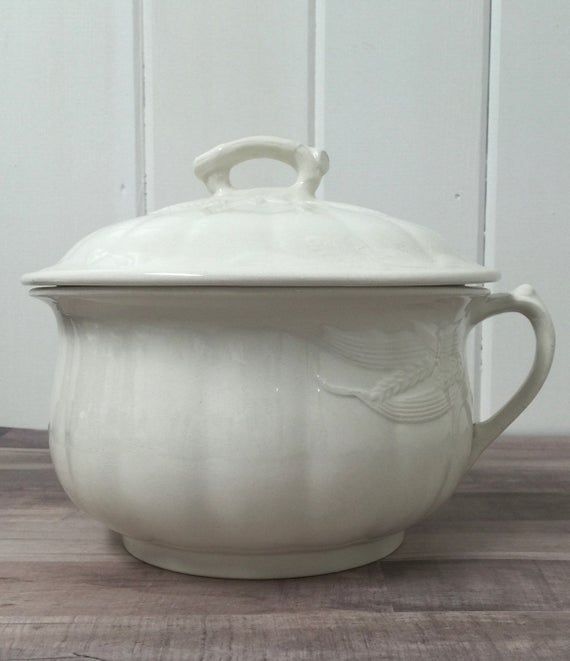 Although the chamber pot was probably the most common item found beneath the bed, it certainly wasn’t the only one.
Small travel trunks often found their home there.
Many families owned compact trunks or carpet bags used for travel or for storing clothing that wasn’t needed every day. Sliding them beneath the bed kept them protected while freeing valuable floor space.
Extra quilts and blankets were another common sight.
Victorian families often changed bedding with the seasons. Heavy wool blankets and feather quilts used during winter might be stored beneath the bed during warmer months, while lighter bedding took their place.
Shoes naturally ended up there as well.
Bedroom slippers, work boots, and Sunday shoes were commonly lined up beneath the bed, easy to reach the following morning.
In homes with limited furniture, the bed itself became part of the storage system.
Where Families Protected Their Valuables
Contrary to popular belief, people didn’t always own large safes.
Many households hid important possessions in places that burglars might overlook.
Under the bed was one of them.
Small wooden lockboxes containing savings, deeds, family papers, jewelry, or treasured letters were often tucked beneath the bed where they remained close at hand.
Family Bibles, marriage certificates, photographs, and handwritten correspondence might also be stored in wooden boxes beneath the bed to keep them safe from children, pets, or accidental damage.
It wasn’t uncommon for antique dealers restoring old homes to discover forgotten keepsakes hidden under beds that hadn’t been moved in decades.
Those discoveries provide remarkable glimpses into family history.
A Practical Place for Firearms
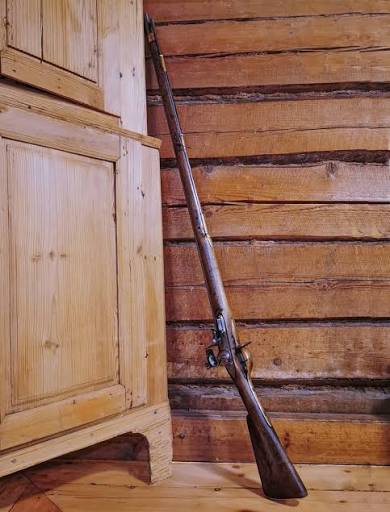
In rural America, firearms were tools as much as they were weapons.
A shotgun or hunting rifle might be stored beneath the bed simply because it was convenient.
Farmers often needed quick access to deal with predators threatening livestock.
Hunters might leave a rifle close by during hunting season.
The long, open space beneath many iron beds was ideal for storing a firearm where it remained accessible without taking up wall space.
Again, practicality ruled Victorian life.
Children’s Secret Storage
Some things never change.
Children have always hidden treasures beneath their beds.
Victorian children were no different.
Wooden toys, handmade dolls, marbles, spinning tops, hoops, books, and treasured collections frequently disappeared beneath the bed until parents insisted on cleaning the room.
If you’ve ever restored an antique bed, there’s always the hope of discovering some forgotten little treasure tucked into a corner where it slipped more than a century ago.
The Bedroom Wasn’t Just for Sleeping
Today we tend to think of bedrooms as places reserved almost exclusively for rest.
Victorian bedrooms served many more purposes.
Women often performed sewing and mending there.
Letters were written there.
Books were read there.
Illnesses were cared for there.
Private conversations happened there.
As a result, sewing baskets, mending supplies, knitting, reading glasses, walking canes, and other everyday necessities often found temporary homes beneath the bed.
The bedroom functioned as a living space as much as a sleeping space.
What Antique Beds Teach Us About Everyday Life
One of the things I enjoy most about antique iron beds isn’t simply their craftsmanship.
It’s what they quietly reveal about the people who used them.
Every scratch tells a story.
Every worn caster has rolled across original hardwood floors.
Every layer of old paint reflects changing tastes through the decades.
Even the space beneath the bed reminds us that furniture wasn’t designed merely to look attractive.
It had to serve a purpose.
Victorian furniture makers understood that homes needed to be practical.
Storage mattered.
Accessibility mattered.
Durability mattered.
These beds weren’t disposable pieces expected to last ten years.
They were built to serve several generations.
Many have done exactly that.
It’s Amazing How Much Has Changed
Today’s bedrooms look very different.
We have indoor plumbing.
Central heating.
Walk-in closets.
Built-in storage.
Nightstands with charging stations.
Robot vacuum cleaners that struggle to fit beneath low platform beds.
Yet the Victorian iron bed continues to feel surprisingly relevant.
Not because we still keep chamber pots underneath—but because these beds were engineered with thoughtful proportions, solid construction, and practical design.
That’s one reason they’ve survived for well over a century while so much modern furniture has not.
Looking Beneath the Surface
The next time you see an antique iron bed, don’t just admire the headboard or the beautiful castings.
Take a moment to look underneath.
That thirteen inches of clearance isn’t just empty space.
It’s a reminder of how previous generations lived.
It reminds us that comfort once meant staying warm on a freezing winter night.
That convenience meant avoiding a trip to the outhouse.
That storage meant making use of every available inch inside the home.
Sometimes the smallest details reveal the biggest stories.
After more than fifty years working with antique beds, I’m still amazed by how often they teach us something new about everyday life.
Who would have thought that one of the most interesting stories an antique bed could tell would be hiding…right underneath it?