The Bed That Went to War
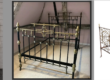
Imagine an American family in 1942, standing in a bedroom looking at an old iron bed that had been in the family for generations.
Perhaps it was the bed where grandparents had slept. Maybe it had been purchased around the turn of the century, when beautifully decorated iron beds were among the most popular bedroom furnishings in America.
Its heavy iron tubing, ornamental castings, and distinctive headboard and footboard had already survived decades of everyday use.
But now the country was at war, and that old bed was being asked to serve an entirely different purpose.
It wasn’t going to another bedroom.
It was going to the scrap-metal collection.
During World War II, thousands of ordinary household objects were surrendered to help supply America’s enormous wartime industrial effort. Among them were antique iron beds, metal bedsteads, and woven-wire bed springs.
For those of us who appreciate original antique iron beds today, it’s a fascinating and somewhat heartbreaking chapter in their history.
These beds had spent decades supporting American families. Now their iron and steel could help support American soldiers.
America Needed Metal — And Lots of It
Following the Japanese attack on Pearl Harbor on December 7, 1941, the United States faced an extraordinary challenge.
America needed to produce enormous quantities of ships, tanks, airplanes, trucks, ammunition, and military equipment.
And manufacturing all that equipment required tremendous amounts of raw material, particularly iron and steel.
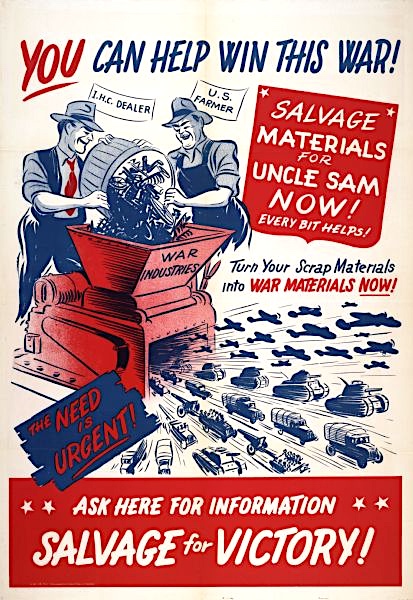
On January 10, 1942, the government launched its nationwide Salvage for Victory campaign.
Americans were encouraged to search their homes, garages, farms, businesses, and neighborhoods for unused metal that could be recycled into materials needed for wartime manufacturing.
Old automobiles, farm machinery, radiators, pots, pans, pipes, fencing, and metal furniture all became potential contributions.
And yes, that included iron beds.
Patriotic posters appeared throughout the country with messages urging Americans to contribute scrap metal. One memorable slogan proclaimed:
“Every Bit Helps!”
The message was simple. No contribution was too small, and every household could participate.
For families unable to serve on the battlefield, collecting scrap became a tangible way of helping the men and women who were fighting overseas.
Why Antique Iron Beds Were Valuable Scrap
 To understand why iron beds became part of these collections, it’s helpful to understand how they were originally manufactured.
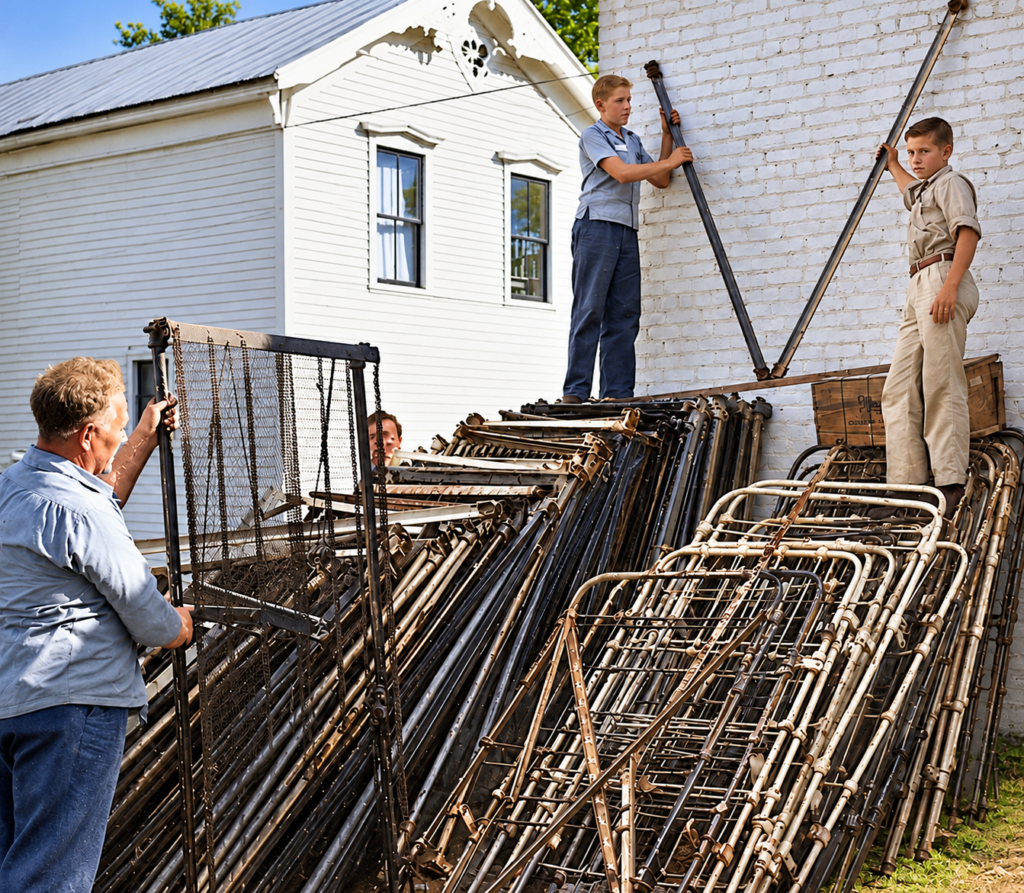
American antique iron beds produced during the late 1800s and early 1900s were substantially different from many of the lightweight metal bed frames manufactured today.
Their construction commonly incorporated heavy steel tubing, cast-iron decorative components, and substantial metal fittings.
Many also used woven-wire spring assemblies supported by sturdy metal frames.
These weren’t delicate pieces of furniture.
They were built to last.
In fact, one of the remarkable qualities of original American iron beds is how well so many have survived more than a century of use.
Unfortunately, during World War II, that same substantial metal construction made unwanted iron beds attractive candidates for salvage.
An old bed that might have seemed outdated or unfashionable in 1942 still contained valuable recoverable material.
To a family clearing out an attic or basement, it might have been an obsolete piece of furniture.
To the wartime salvage effort, it was a source of iron and steel.
And to an antique collector looking back more than eighty years later, it might represent an irreplaceable piece of American craftsmanship.
When America’s Bedrooms Joined the War Effort
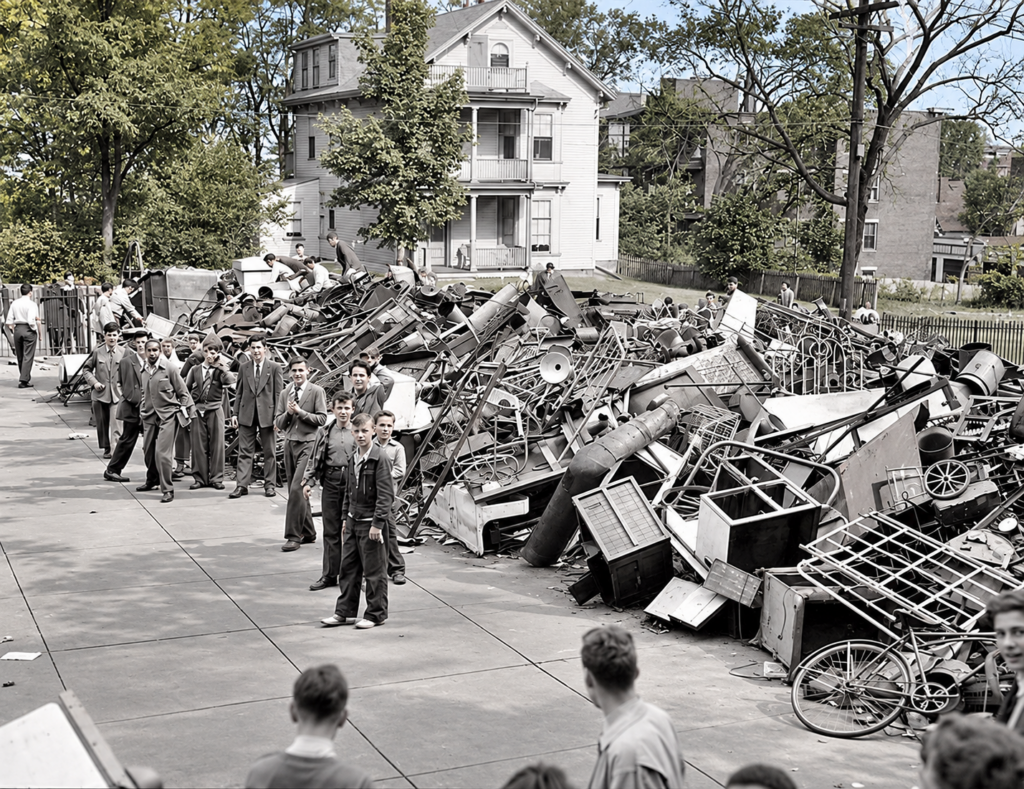 Across the country, communities organized scrap-metal collection campaigns.
Schools, churches, civic organizations, businesses, and neighborhood volunteers helped gather discarded materials.
Children were particularly enthusiastic participants.
They searched garages, sheds, vacant lots, and family properties for anything made of metal that could be contributed.
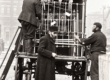
Photographs from the period show enormous piles of collected household objects, sometimes stacked higher than the volunteers standing beside them.
Bed frames, springs, bicycles, pipes, and old appliances were thrown together in mountains of metal.
Some collections were organized in schoolyards or public gathering places. Others involved trucks traveling through neighborhoods to pick up contributions.
One particularly interesting historical record comes from Wisconsin.
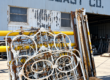
In April 1942, three young girls — Beverly Peterson, Virginia Gullickson, and Joane Aaby — were photographed with an old iron bed donated to a wartime scrap drive.
The photograph, preserved by the Wisconsin Historical Society, documents a remarkable community effort in which 182 farmers participated and more than 105 tons of scrap metal were collected in a town of fewer than 500 residents.
Think about that for a moment.
A small American town, with fewer than 500 people, collected over 105 tons of metal.
And among those contributions was an old iron bed.
It’s difficult to imagine a more direct illustration of how ordinary furniture became part of an extraordinary national effort.
From the Bedroom to the Steel Mill
What happened after these household objects were collected?
Scrap metal was sorted, processed, and sent into the industrial recycling system.
Recoverable iron and steel could be used in steelmaking, reducing the amount of newly produced material needed to meet wartime demand.
Steel was essential to the manufacture of warships, military vehicles, machinery, and countless other products.
The scale of the salvage effort was enormous.
According to the National Park Service, approximately 24 million tons of metal were salvaged in 1942 alone, with nearly comparable quantities collected in subsequent war years.
That figure includes industrial and other salvage sources, not simply household donations.
Nevertheless, it demonstrates the immense importance placed on recovering and reusing metal.
Of course, it would be impossible to trace an individual iron bed through the recycling process and determine exactly what became of its metal.
We cannot say that a particular Victorian headboard became part of a battleship or that an old bed spring became part of a tank.
But we can say that iron beds were among the household objects collected during the war and that scrap iron and steel helped supply the nation’s industrial needs.
It’s a remarkable transformation.
A piece of furniture originally manufactured for peaceful domestic life could become part of the material resources supporting a global war.
The Antique Iron Beds That Never Came Home
 For antique iron bed collectors, this history raises an intriguing question.
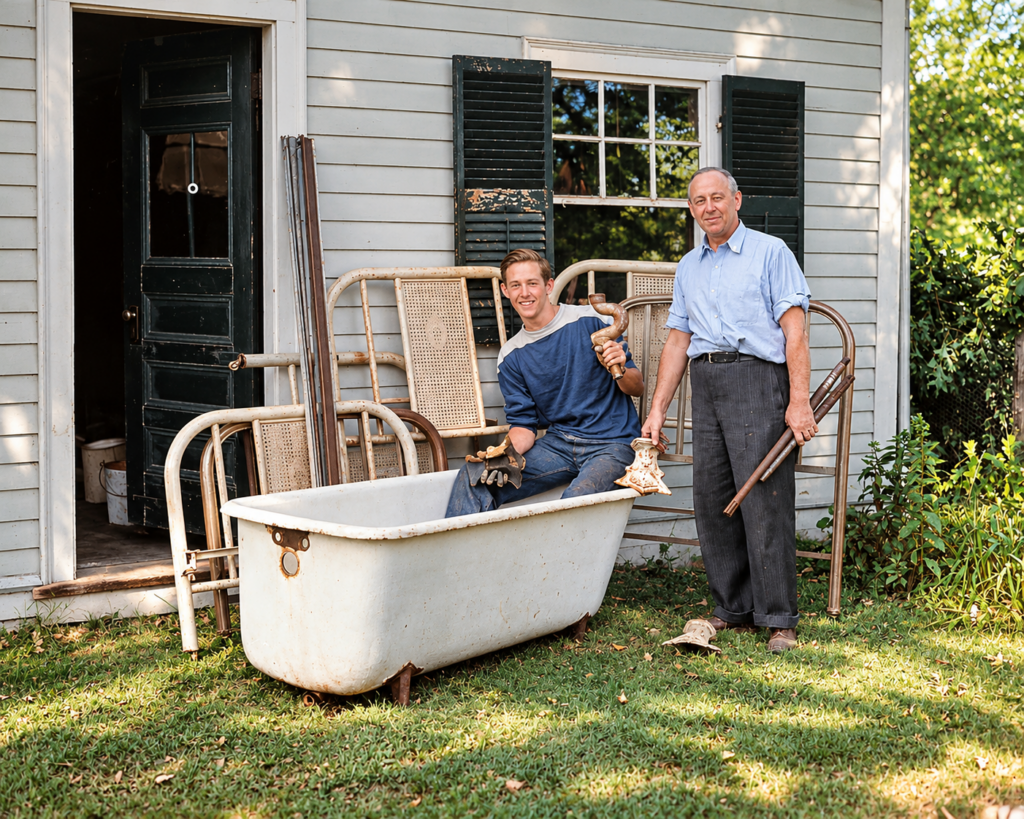
How many beautiful original iron beds disappeared during World War II?
Unfortunately, no reliable national count appears to exist for the number of antique iron beds surrendered specifically for wartime salvage.
We know that metal bed frames were collected, but determining how many were destroyed would be nearly impossible.
Still, the historical implications are significant.
By 1942, many Victorian and turn-of-the-century iron beds were already several decades old.
Styles had changed. Families were replacing older furnishings with newer bedroom sets. Some iron beds had been stored away in attics, barns, garages, and basements.
When the call came to contribute scrap metal, these unused beds were obvious candidates.
Their owners probably didn’t think of them as antiques.
They were simply old beds.
And during a national emergency, preserving an unfashionable piece of furniture was understandably less important than helping win the war.
Today, however, we recognize the artistic and historical value of many of those same designs.
Elaborate castings, unusual headboard configurations, distinctive manufacturers’ patterns, and surviving original finishes all help tell the story of American furniture manufacturing.
Once an original bed was melted down, that particular example was gone forever.
Its craftsmanship couldn’t be recovered.
A Different Kind of American Sacrifice
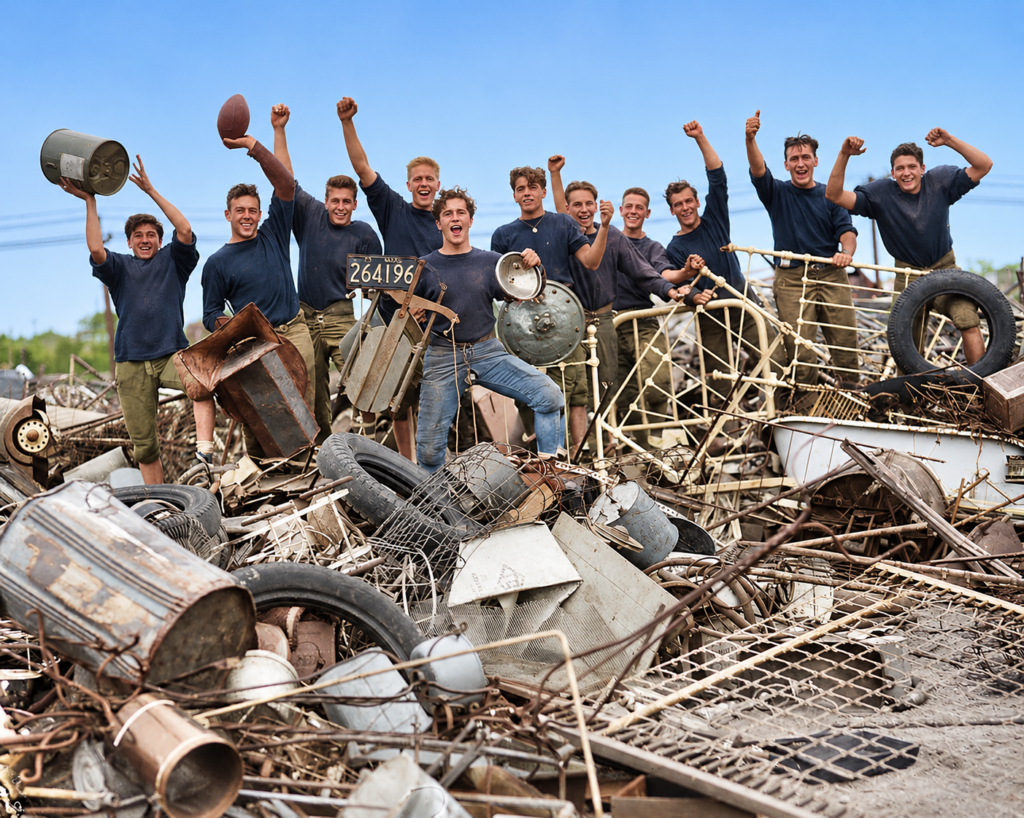 One of the most moving aspects of the wartime salvage campaigns is that they allowed ordinary Americans to participate directly in the national effort.
Not everyone could enlist.
Not everyone could work in a defense factory.
But almost everyone could contribute something.
A child might collect a few pieces of metal from a backyard.
A farmer might surrender broken equipment.
A family might donate an old iron bed that had been gathering dust for years.
These contributions were also symbolic. They reminded Americans that the war demanded shared sacrifice and that civilian life was connected to events taking place thousands of miles away.
The scrap drives helped build a sense of national purpose at a time of tremendous uncertainty.
An old iron bed might seem like a small contribution compared with a warship or an aircraft.
But multiplied across millions of households, the willingness to give up everyday possessions became an important part of America’s home-front story.
The Iron Beds That Survived
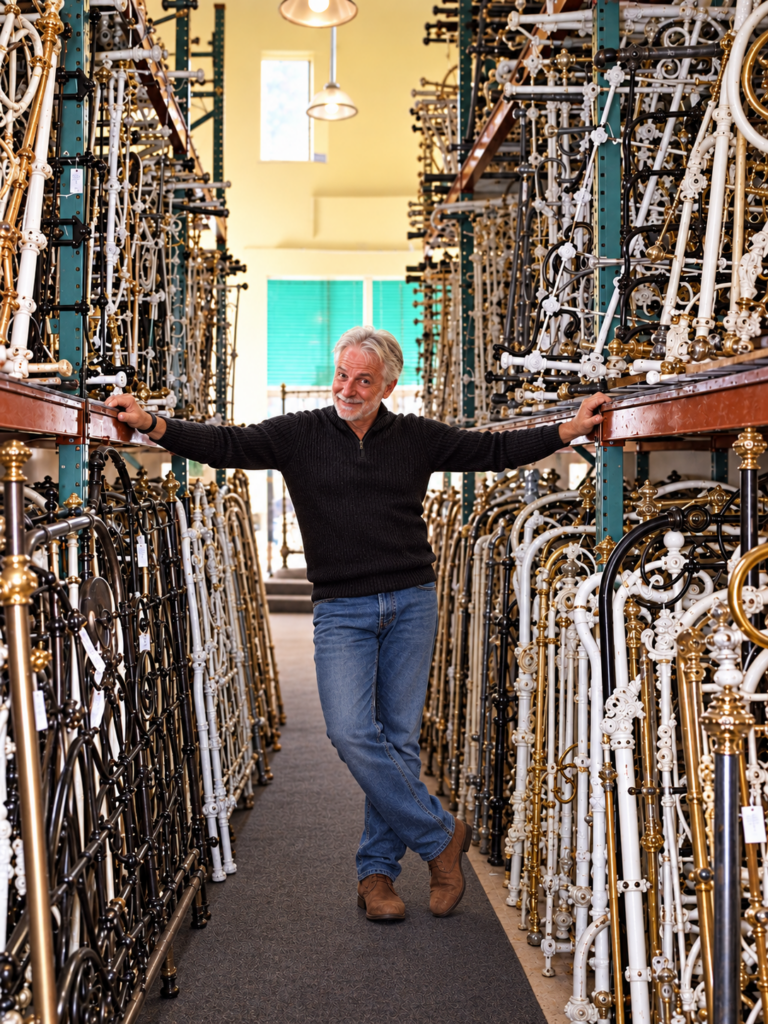 For more than 50 years, I’ve been involved in buying, restoring, and preserving original antique iron beds.
Over those decades, I’ve handled an extraordinary variety of American iron beds manufactured during the nineteenth and early twentieth centuries.
Some arrived with beautiful original paint.
Others had accumulated generations of worn finishes, repairs, and modifications.
Many required careful restoration before they could return to everyday use.
But each surviving bed represents something that cannot simply be manufactured again: an authentic piece of American history.
When I look at an original Victorian iron bed today, I sometimes think about everything it may have witnessed.
The families who slept in it.
The homes it occupied.
The changing fashions it survived.
And, perhaps most remarkably, the wartime scrap drives it escaped.
There is no way of knowing how many comparable beds were sacrificed during World War II.
But the survivors deserve appreciation not only for their beauty and craftsmanship, but also for their place in the broader story of American life.
From Supporting Families to Supporting Victory
World War II changed America in countless ways.
Factories were transformed. Families made sacrifices. Entire communities organized themselves around the needs of the war effort.
And even something as familiar as an old iron bed could take on a new purpose.
The antique iron beds surrendered for salvage became part of a much larger national effort to recover materials for wartime production.
Those that survived remain reminders of the craftsmanship, ingenuity, and everyday lives of earlier generations.
At Cathouse Antique Iron Beds, preserving these original pieces has been our specialty for more than half a century.
We believe their history is every bit as important as their beauty.
And sometimes, that history extends far beyond the bedroom.
Who would have imagined that an old antique iron bed could have helped America win World War II?
Cathouse Antique Iron Beds
Original Antique Iron Beds — Preserved, Restored, and Appreciated for Over 50 Years
www.cathousebeds.com