
Antique Iron Beds Too High? How a Simple Bunkie Board Can Make All the Difference
Antique iron beds too high? Learn how replacing an 8–10 inch box spring with a 2-inch bunkie board can lower your mattress height by 6–8 inches.

Antique iron beds too high? Learn how replacing an 8–10 inch box spring with a 2-inch bunkie board can lower your mattress height by 6–8 inches.
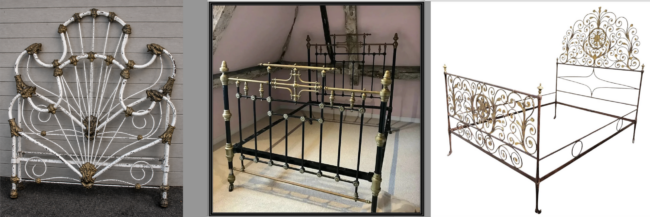
America, England and France all produced beautiful antique iron beds, but they didn’t build them the same way. We compare their tubing, castings, joints, engineering and design to see what made each country’s iron beds distinctive.

Long before antique iron beds reached a bedroom, its weight influenced where it was manufactured, how it was constructed and how far it could economically travel. From horse-drawn wagons and railroads to modern freight carriers, transportation played a surprisingly important role in the history of the American Iron Beds.
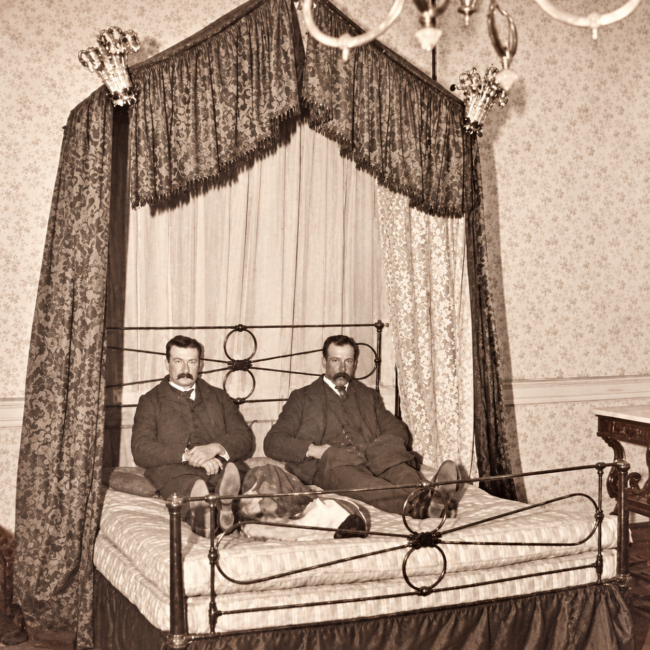
Why were Victorian antique iron beds so much smaller than today’s beds? Explore the history of twin, three-quarter and double iron beds—and the fascinating changes that eventually led Americans to embrace queen and king sizes.

Why do antique iron beds have decorative finials on their posts? Explore the history, purpose and remarkable variety of cast iron and brass finials used by Victorian bed manufacturers—and why these seemingly small details can tell us so much about the quality and design of an original antique iron bed.
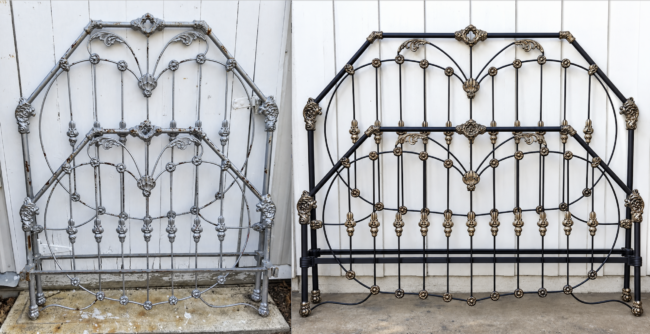
Victorian antique iron beds were never made in today’s king sizes. See how Cathouse Antique Iron Beds resurrects original double beds through carefully crafted king conversions that preserve their proportions, castings, character and original design.
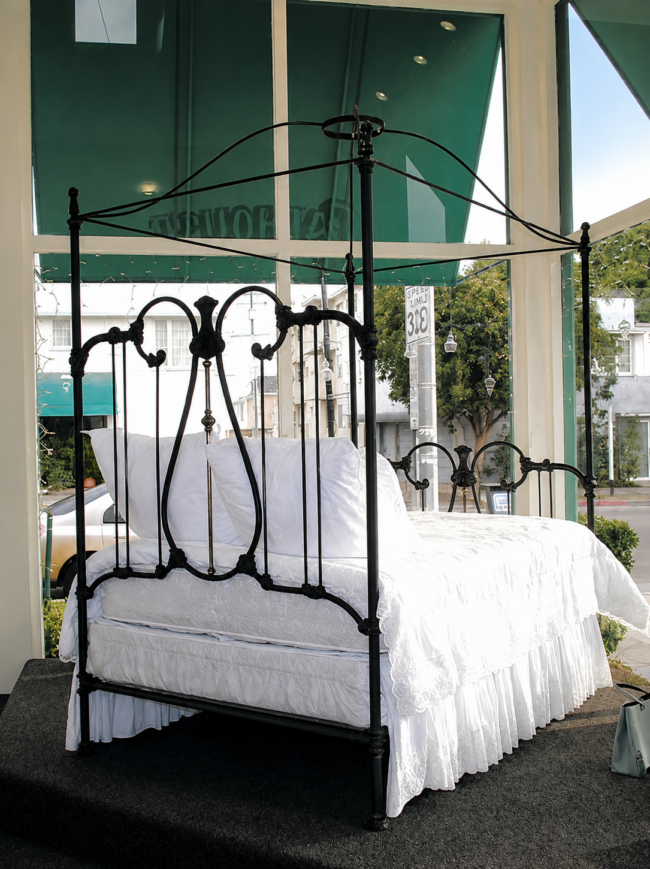
If your antique iron bed looks too tall once the mattress and box spring are installed, the bed may not be the problem. Learn how a simple bunkie board can lower the mattress, improve the bed’s proportions and reveal the beautiful antique ironwork that was meant to be seen.
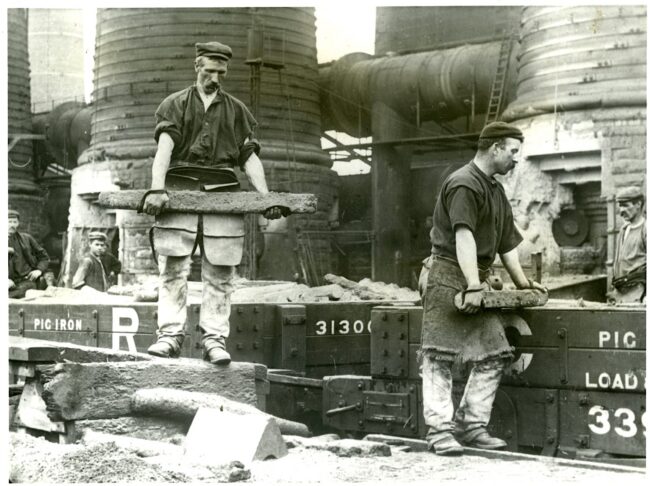
How many people did it really take to make an antique iron bed in the 1800s? Far more than most people realize. From the original designer and draftsman to the patternmaker, moldmaker, foundry workers, metalworkers, assemblers, finishers and inspectors, an antique iron bed was the product of many specialized nineteenth-century craftsmen. Discover the fascinating manufacturing process behind the antique iron beds that have survived for more than a century.
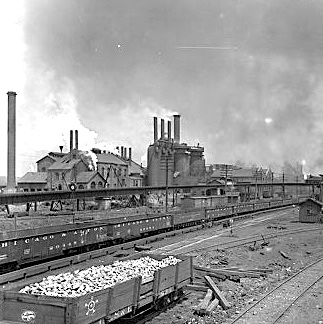
Where did American iron beds actually begin? Discover how Pittsburgh, Chicago and other industrial centers helped launch the American iron-bed industry in the 1800s—and why the small independent foundries of the Victorian era produced some of the most beautifully crafted antique iron beds ever made.
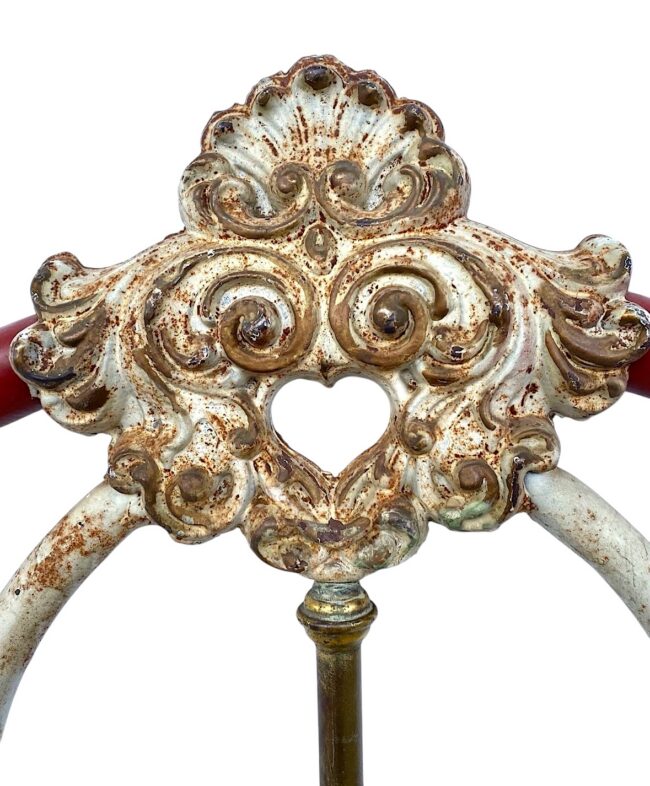
Discover the remarkable craftsmanship behind the large “see-through” castings found on antique iron beds. Learn why pouring these intricate castings by hand in the 1800s required exceptional skill, timing, and precision—and why the results remain so impressive more than a century later.