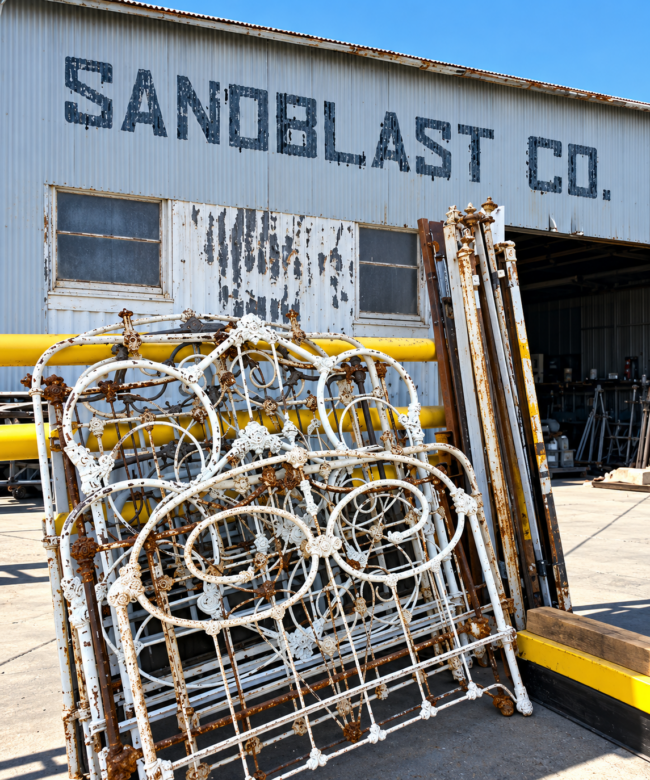
How to Restore Antique Iron Beds : Preserve the Patina or Start Fresh?
Learn how to restore antique iron beds, from preserving original distressed paint and patina to sandblasting, priming and creating authentic crackle finishes.

Learn how to restore antique iron beds, from preserving original distressed paint and patina to sandblasting, priming and creating authentic crackle finishes.

Long before antique iron beds reached a bedroom, its weight influenced where it was manufactured, how it was constructed and how far it could economically travel. From horse-drawn wagons and railroads to modern freight carriers, transportation played a surprisingly important role in the history of the American Iron Beds.
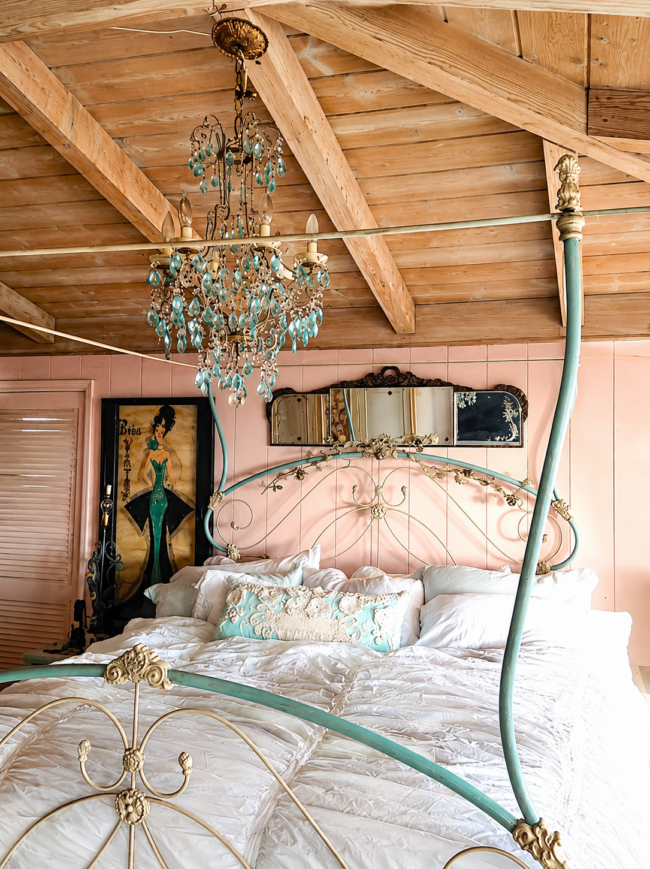
Choosing the right finish for an antique iron bed doesn’t have to start with the bed. Wallpaper, fabric, chandeliers, artwork and even antique copper can inspire a custom finish that brings an entire room together while preserving the character and history of the original bed.
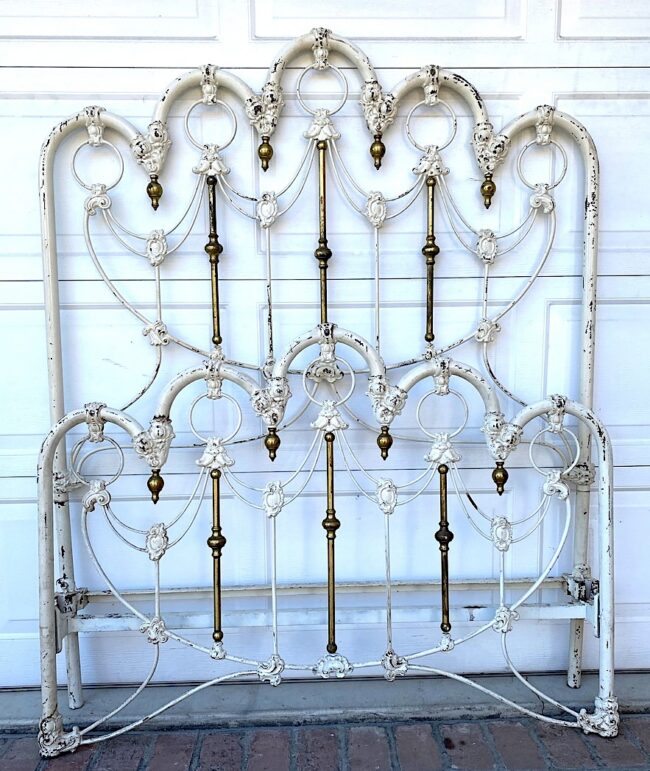
Why did 19th-century manufacturers begin adding brass to antique iron beds? Brass finials, spokes and decorative scrollwork offered the fashionable look Victorian buyers loved, while iron provided exceptional strength, durability and greater freedom of design. The combination may have been one of the iron bed industry’s smartest marketing ideas.
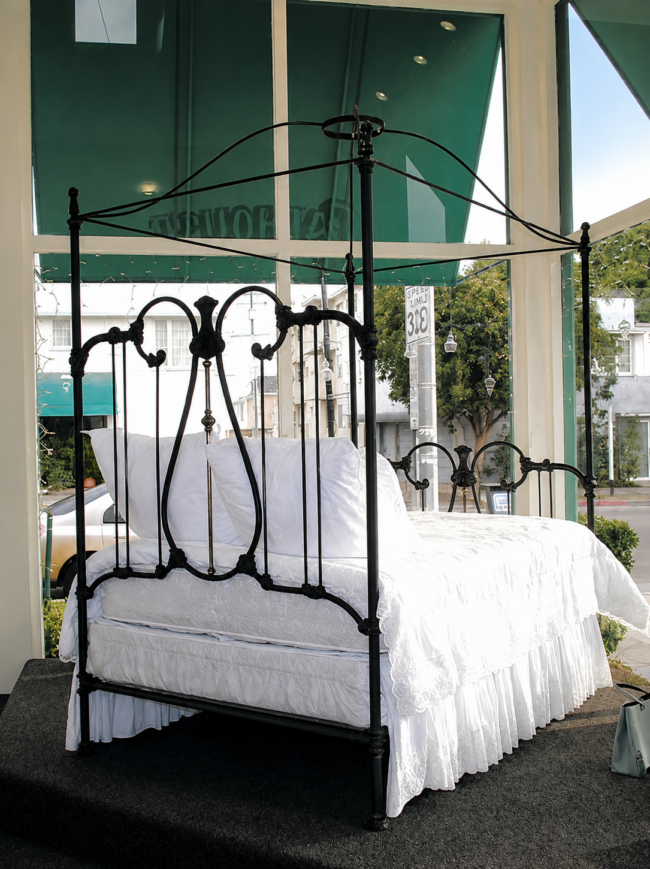
If your antique iron bed looks too tall once the mattress and box spring are installed, the bed may not be the problem. Learn how a simple bunkie board can lower the mattress, improve the bed’s proportions and reveal the beautiful antique ironwork that was meant to be seen.
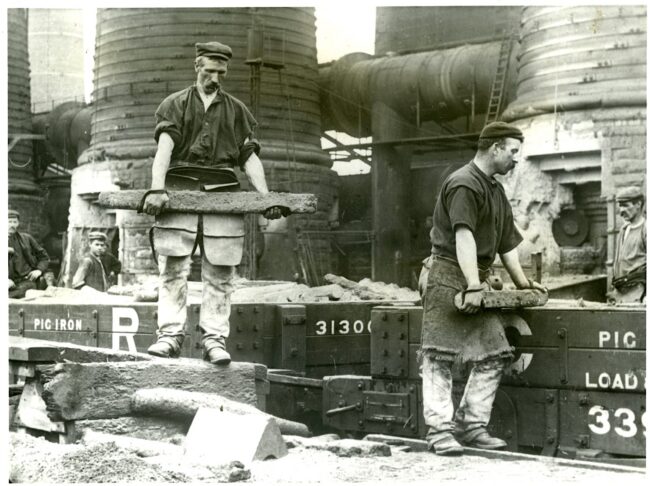
How many people did it really take to make an antique iron bed in the 1800s? Far more than most people realize. From the original designer and draftsman to the patternmaker, moldmaker, foundry workers, metalworkers, assemblers, finishers and inspectors, an antique iron bed was the product of many specialized nineteenth-century craftsmen. Discover the fascinating manufacturing process behind the antique iron beds that have survived for more than a century.

Could a 150-year-old antique iron bed actually be better for the environment than a newly manufactured metal bed? We explore the carbon footprint of antique iron beds, how life-cycle emissions are calculated, why carbon doesn’t simply “dissipate” over time, and how reusing a durable iron bed can avoid the environmental cost of manufacturing new metal.
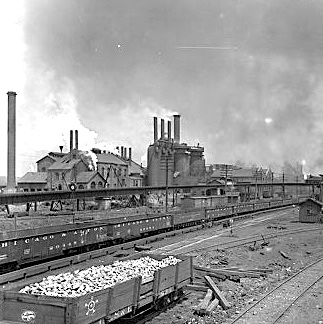
Where did American iron beds actually begin? Discover how Pittsburgh, Chicago and other industrial centers helped launch the American iron-bed industry in the 1800s—and why the small independent foundries of the Victorian era produced some of the most beautifully crafted antique iron beds ever made.
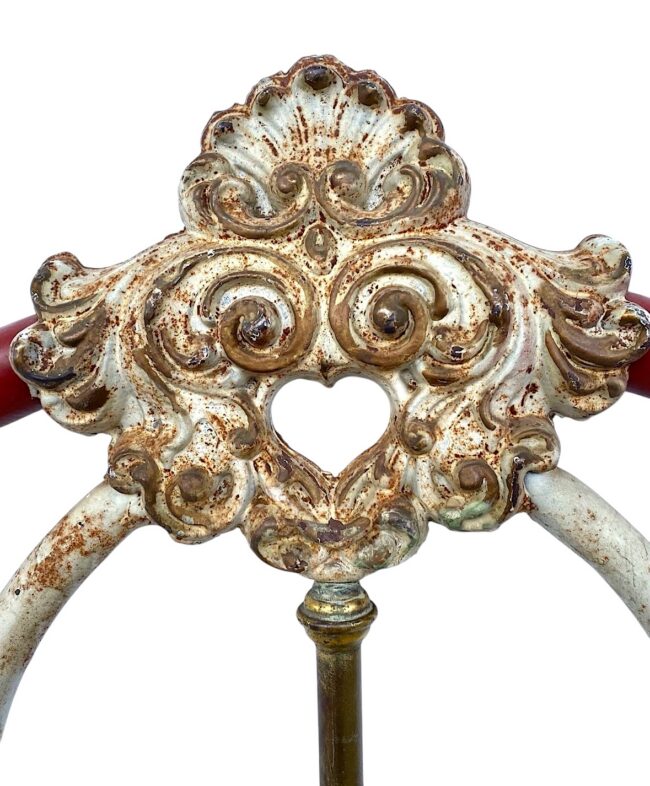
Discover the remarkable craftsmanship behind the large “see-through” castings found on antique iron beds. Learn why pouring these intricate castings by hand in the 1800s required exceptional skill, timing, and precision—and why the results remain so impressive more than a century later.
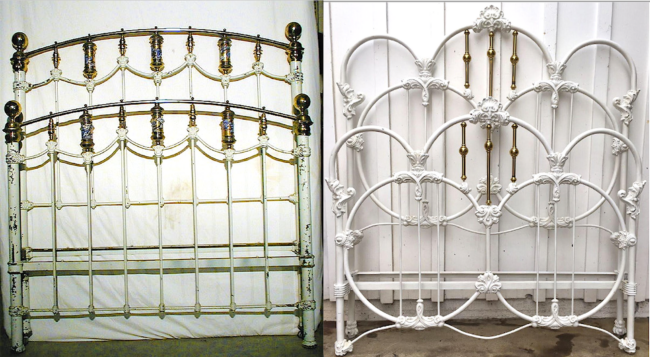
Did the materials and construction techniques used in 19th-century American and British iron beds really make a difference? After more than 150 years, the surviving beds provide some fascinating answers. Discover why heavier tubing, substantial castings and different construction methods may explain why so many American-made antique iron beds have stood the test of time.