How Weight, Distance and Changing Transportation Helped Shape American Iron Beds
When we look at antique iron beds today, we naturally concentrate on its design—the castings, the scrolling, the diameter of the tubing, the brass ornamentation and the craftsmanship that went into making it.
But there was another factor that had an enormous influence on the antique iron bed industry that we seldom think about:
How were they going to move the thing?
During the 19th century, transportation was expensive, slow and difficult. Raw materials had to be brought to the foundry. Coal and coke were needed to fire furnaces. Iron had to be transported. Castings, tubing and other components had to reach manufacturers. And once a bed was completed, somebody still had to get that heavy piece of furniture from the factory to the retailer—and eventually into the customer’s home.
The weight of an iron bed wasn’t simply a shipping inconvenience.
It helped determine where beds were manufactured, how they were constructed, what they cost, and ultimately which designs survived in the greatest numbers.
Early Iron Bed Manufacturing Was a Local Business
In the earlier years of American iron bed production, many manufacturers were relatively small operations.
It made economic sense for foundries and metalworking businesses to locate where the materials and fuel they required were readily available—or where transportation networks made those materials reasonably accessible.
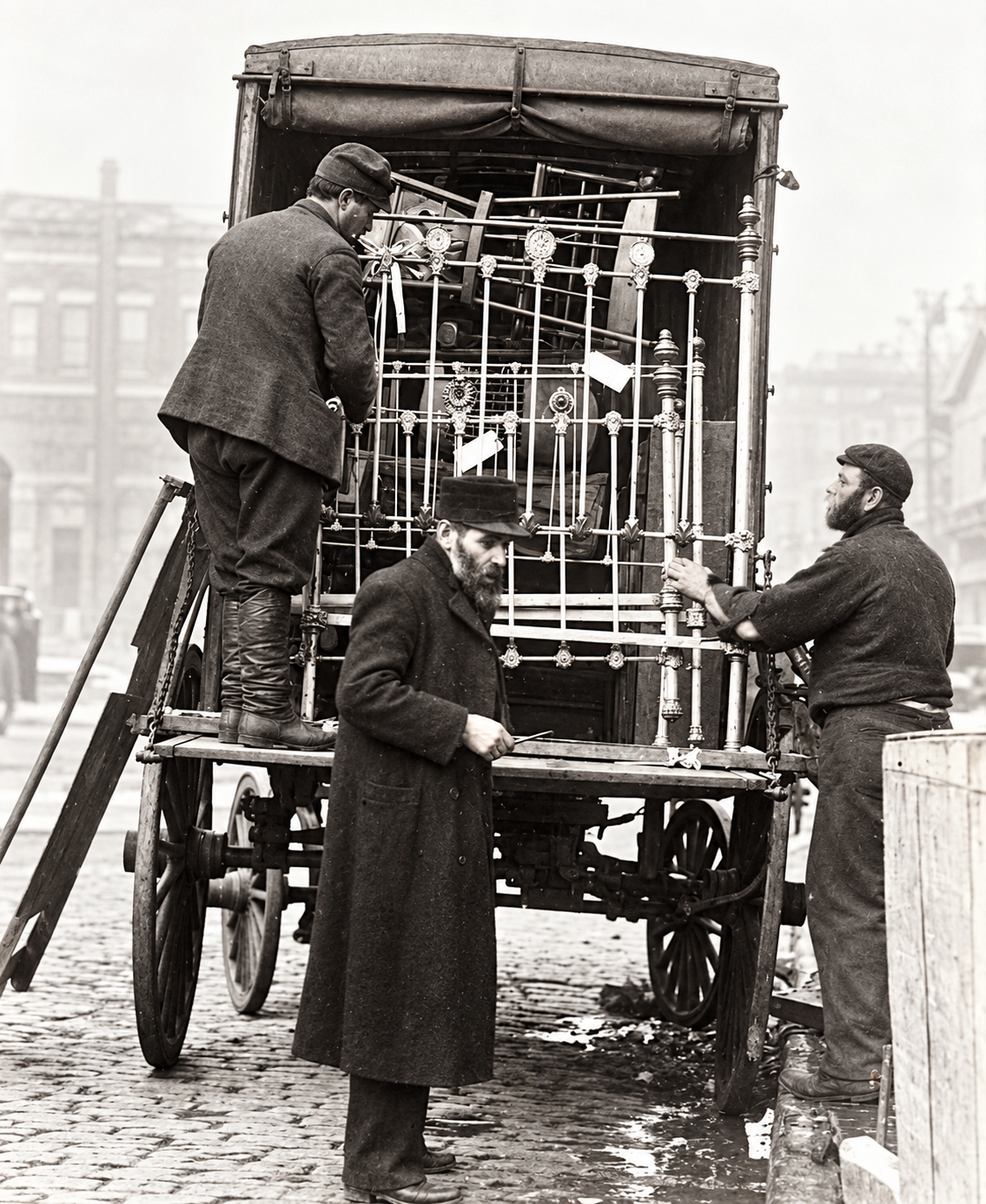
Before America’s railroad network became extensive, moving large quantities of heavy material over land was particularly expensive. Horse-drawn wagons were perfectly adequate for local transportation, but hauling tons of iron, coal or finished metal products any significant distance was another matter entirely.
Water transportation offered an important alternative. Rivers, canals and coastal shipping could move heavy freight more efficiently than wagons.
This helps explain why industrial centers developed around combinations of raw materials, waterways and eventually railroads.
Cities such as Pittsburgh became particularly important to the American iron and steel industries because they had access to fuel, materials and transportation. Chicago later became an enormously important manufacturing and distribution center because of its rail connections and central location.
For an iron bed manufacturer, geography mattered.
Then Came the Railroads
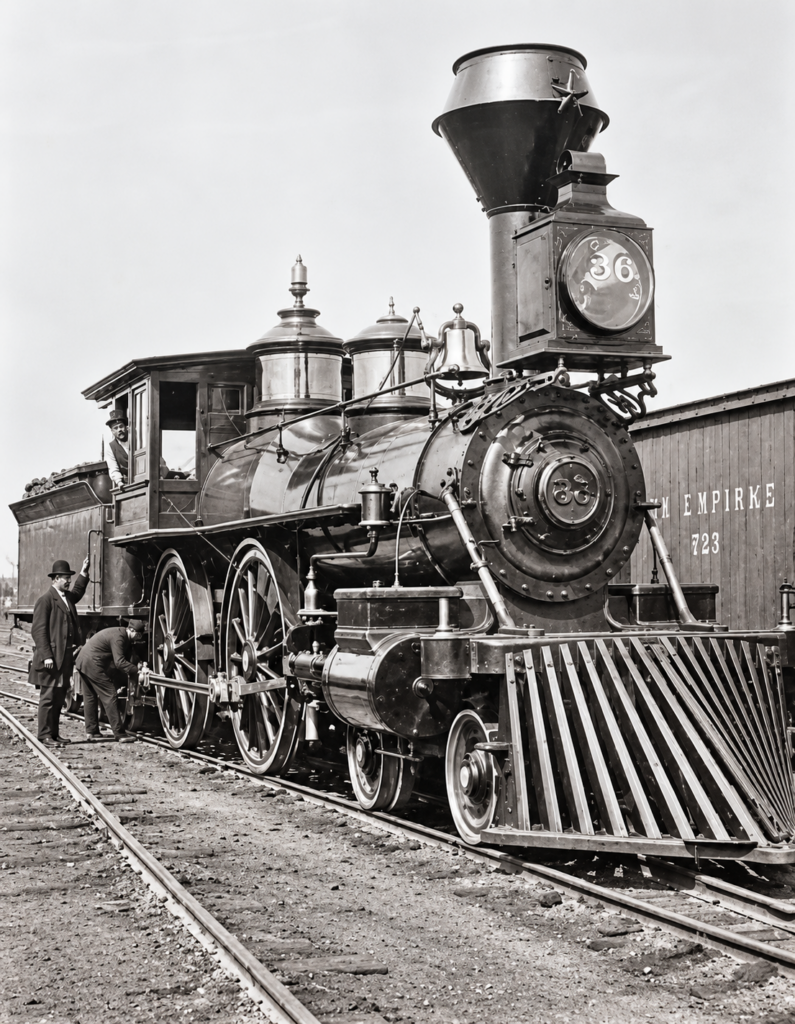 The expansion of American railroads during the 19th century dramatically changed manufacturing.
A foundry no longer had to depend almost entirely upon materials available within wagon distance. Coal, iron and manufactured components could travel much greater distances at increasingly practical costs.
More importantly for iron bed manufacturers, the finished product could now travel as well.
An iron bed made in Pennsylvania, Ohio, Illinois or another manufacturing center could be shipped by rail to furniture dealers hundreds—or eventually thousands—of miles away.
That opened an enormous new market.
Instead of producing primarily for nearby customers, manufacturers could begin thinking regionally and eventually nationally.
But the railroad didn’t make weight disappear.
Someone was still paying to move every pound.
Why Antique Iron Beds Came Apart
 One of the most ingenious characteristics of American antique iron beds is also one of the easiest to overlook.
They could be taken apart.
The headboard and footboard were separate pieces, while the side rails detached using specially designed hitches. On many American beds, these were self-tightening connections rather than the modern bolt-together arrangements commonly seen today.
There was an obvious practical advantage inside the home. A bed could be carried through doors, hallways and staircases much more easily when disassembled.
But this construction also made transportation considerably more practical.
A manufacturer wasn’t shipping a fully assembled bed occupying a huge rectangular space. The headboard, footboard and rails could be bundled into a much more manageable package.
The design of the antique iron bed was therefore not simply decorative.
It was also remarkably well suited to transportation.
The Problem of Weight Never Went Away
Transportation improved dramatically during the late 1800s and early 1900s, but manufacturers still faced a basic economic reality.
Iron is heavy.
And some antique iron beds are extraordinarily heavy.
Anyone who has handled enough originals immediately recognizes the difference between a substantial, heavily constructed bed and one made with smaller-diameter or thinner-gauge material.
Heavy tubing, elaborate cast-iron ornamentation, large corner posts and numerous castings all added weight.
They also added shipping expense.
Imagine a manufacturer producing two beds of approximately the same size. One was relatively simple, using lighter tubing and only a handful of castings. The other incorporated substantial tubing, numerous heavy castings and elaborate ornamentation.
The second bed required more material, more labor and more finishing.
Then, after all of that additional expense, it cost more to ship.
That mattered.
Why Simpler Beds Were Produced in Greater Numbers
This may help explain something I have observed during more than 50 years of dealing in original antique iron beds.
The most elaborate, heavily constructed beds are generally much harder to find than simpler examples.
Part of that is obvious. Elaborate beds cost more when they were new, so fewer customers could afford them.
But transportation likely contributed as well.
A lighter bed could be manufactured for less money, shipped for less money and offered to a much broader market.
For a company trying to sell hundreds or thousands of beds through furniture stores, catalogs and regional distributors, every additional pound represented an expense.
That created a strong economic incentive to produce beds that were attractive and durable without using unnecessary quantities of iron.
Consequently, the extraordinary heavy beds collectors admire today were never necessarily the typical iron bed.
In many cases, their scarcity today began with their scarcity when they were new.
Mail-Order Catalogs Changed the Market Again
By the late 19th and early 20th centuries, mail-order companies helped transform the way Americans purchased furniture.
A family living far from a major city could open a catalog and choose from products manufactured hundreds of miles away.
That was revolutionary.
Railroads and freight depots made the system possible.
Beds were particularly well suited to this new distribution model because they could be disassembled. A headboard, footboard and pair of rails could be packaged and shipped to a railway freight station near the customer.
The buyer might then arrange the final portion of the journey by wagon.
Think about that chain for a moment.
A bed might leave a factory, travel by rail across several states, arrive at a local freight depot, be loaded onto a horse-drawn wagon and finally be carried into a farmhouse or town residence.
Some of those same beds are still being slept in today.
Transportation May Have Influenced Design
When people discuss antique furniture design, they usually think about changing tastes—Victorian, Art Nouveau, Arts and Crafts and the transitional styles that followed.
But economics also influences design.
Manufacturers constantly balance appearance, durability, material cost, labor and transportation.
An elaborate casting might look wonderful, but multiply its weight by several castings per bed and then by hundreds or thousands of beds leaving a factory.
Suddenly a decorative decision becomes a freight decision.
Smaller interior rods, fewer castings and more economical tubing reduced both manufacturing and shipping costs.
This is one reason I believe weight is an important clue when examining an antique iron bed today.
It doesn’t tell us everything about age or quality, but it tells us something about how that bed was made—and the market for which it may have been intended.
Trucks Finally Changed the Last Part of the Journey
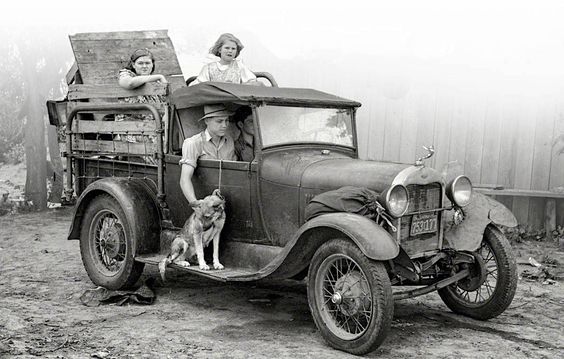
As motorized trucks became increasingly common during the early 20th century, furniture distribution changed again.
Railroads remained important for long-distance freight, but trucks gradually provided manufacturers and retailers with much greater flexibility.
Furniture no longer had to make its final journey from the railway depot by horse and wagon.
Road networks improved. Trucks became larger and more reliable. Warehouses and regional distribution systems expanded.
Eventually, furniture could travel from manufacturer to distributor to retailer with an efficiency a 19th-century foundry owner could scarcely have imagined.
Yet even then, weight continued to matter.
Every truck had a carrying capacity, fuel cost and labor expense.
The economic advantage of making furniture lighter never completely disappeared.
And Now We Ship Them Across the Country Again
Today, transportation has come full circle in an interesting way.
At Cathouse Antique Iron Beds, we regularly ship original beds across the United States. A bed manufactured more than a century ago may now travel farther in a few days than it traveled during the first several decades of its existence.
Modern freight networks have made that possible.
Yet some things haven’t changed.
We still separate the headboard, footboard and side rails for transportation. We still have to protect the castings. We still have to account for the weight. And we still appreciate the ingenious old hitch systems that allowed these beds to be assembled and disassembled long before anyone imagined modern nationwide freight delivery.
The transportation has changed.
The bed hasn’t.
Weight Is Part of the History
One of the pleasures of working with antique iron beds for more than half a century is realizing how much history is contained in something that appears, at first glance, to be simply a piece of furniture.
The diameter of the tubing tells a story.
The castings tell a story.
The hitch system tells a story.
And even the weight tells a story.
Transportation influenced where iron beds could be manufactured, where they could be sold and how economically they could reach their customers. As railroads and eventually trucks expanded the distance between manufacturer and buyer, the American iron bed became a product that could be distributed throughout the country.
But manufacturers never escaped the economics of weight.
That may be one reason the especially heavy, elaborate examples are so desirable today. They represent a level of material, ornamentation and construction that was expensive not only to manufacture—but expensive simply to move.
More than a century later, we’re still moving them.
And fortunately, we’re still preserving them.
— Cathouse Antique Iron Beds