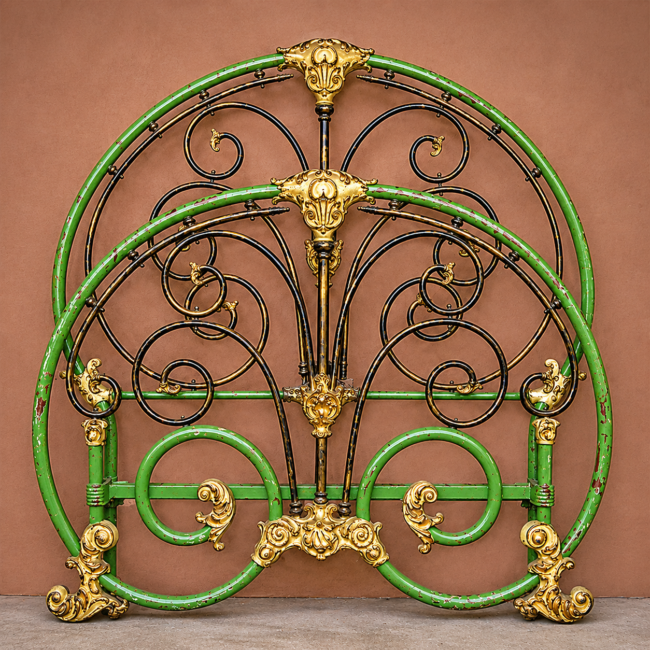
What Were the Most Popular Colors for Antique Iron Beds — And Why?
Think antique iron beds were originally just black and white? Discover the fascinating history of gold, red, apple green, and other Victorian iron bed finishes.

Think antique iron beds were originally just black and white? Discover the fascinating history of gold, red, apple green, and other Victorian iron bed finishes.
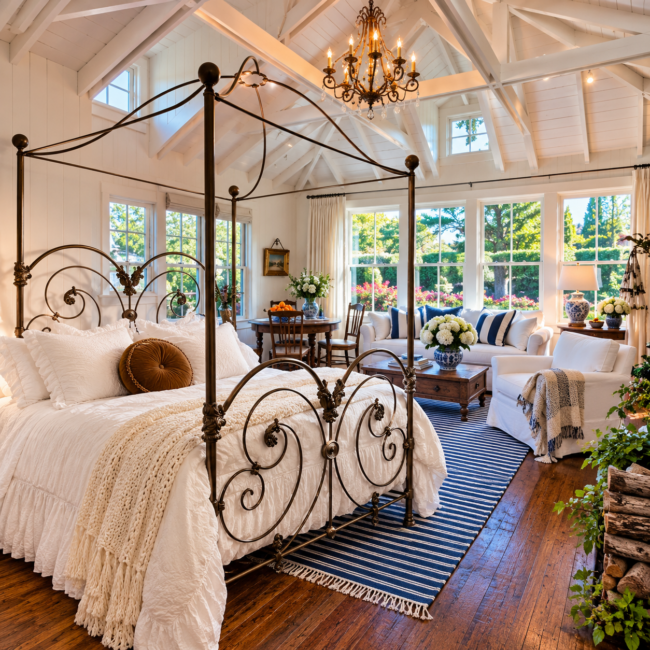
Discover why antique iron beds remain popular after 150 years, from Victorian craftsmanship and timeless design to durability and modern interiors.
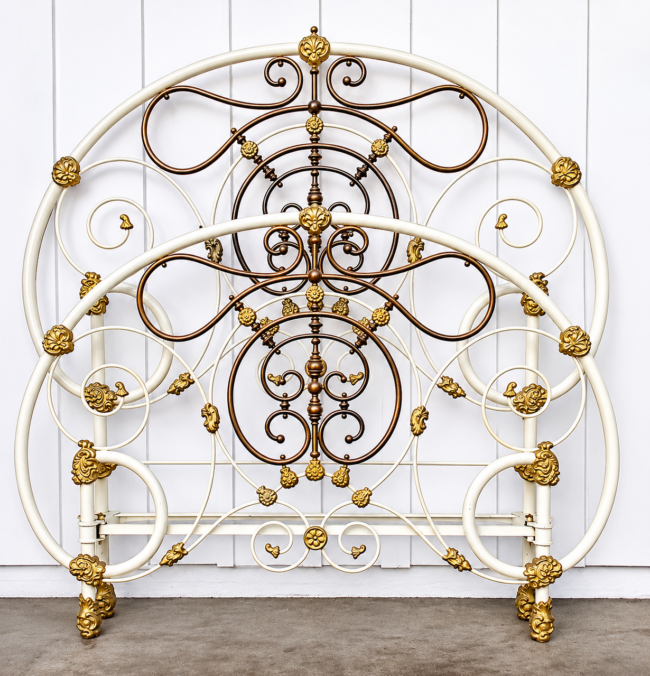
Discover why antique iron beds became more popular than brass beds, with beautiful Victorian designs, colorful finishes, and lasting craftsmanship.

Discover how antique iron beds became part of America’s World War II scrap-metal drives, why they were collected, and what their loss means to collectors today.
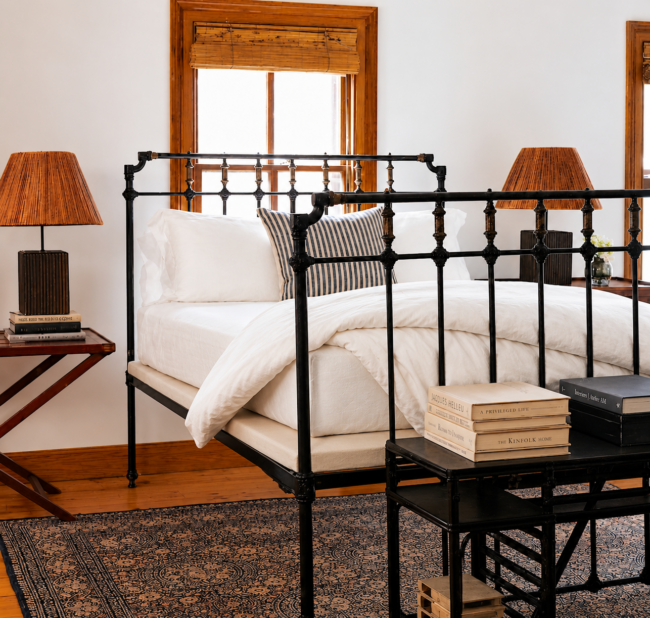
Antique iron beds too high? Learn how replacing an 8–10 inch box spring with a 2-inch bunkie board can lower your mattress height by 6–8 inches.

Long before antique iron beds reached a bedroom, its weight influenced where it was manufactured, how it was constructed and how far it could economically travel. From horse-drawn wagons and railroads to modern freight carriers, transportation played a surprisingly important role in the history of the American Iron Beds.
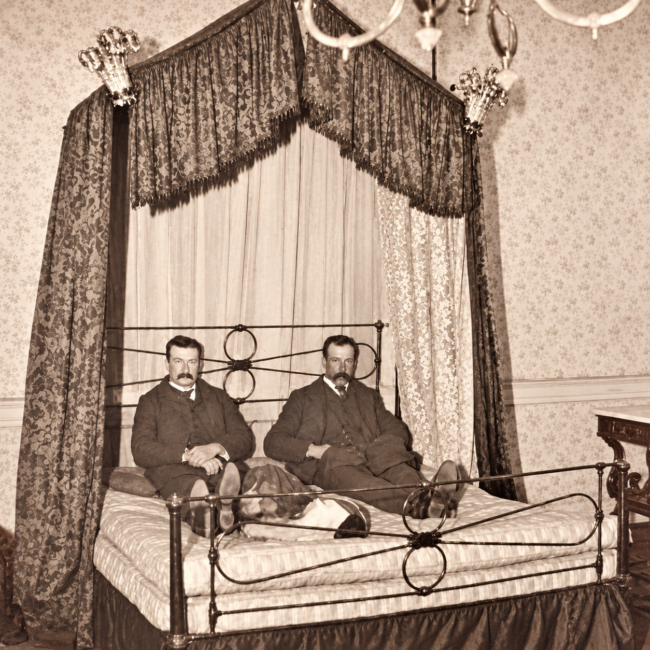
Why were Victorian antique iron beds so much smaller than today’s beds? Explore the history of twin, three-quarter and double iron beds—and the fascinating changes that eventually led Americans to embrace queen and king sizes.

Why do antique iron beds have decorative finials on their posts? Explore the history, purpose and remarkable variety of cast iron and brass finials used by Victorian bed manufacturers—and why these seemingly small details can tell us so much about the quality and design of an original antique iron bed.
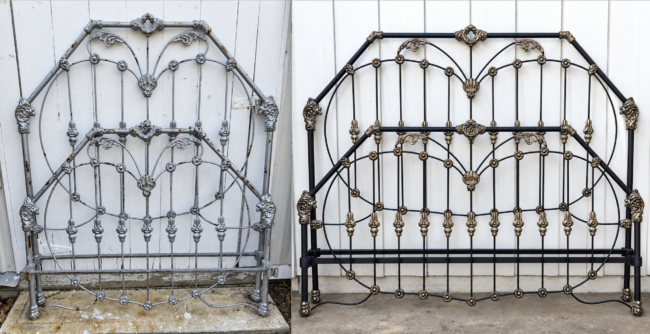
Victorian antique iron beds were never made in today’s king sizes. See how Cathouse Antique Iron Beds resurrects original double beds through carefully crafted king conversions that preserve their proportions, castings, character and original design.
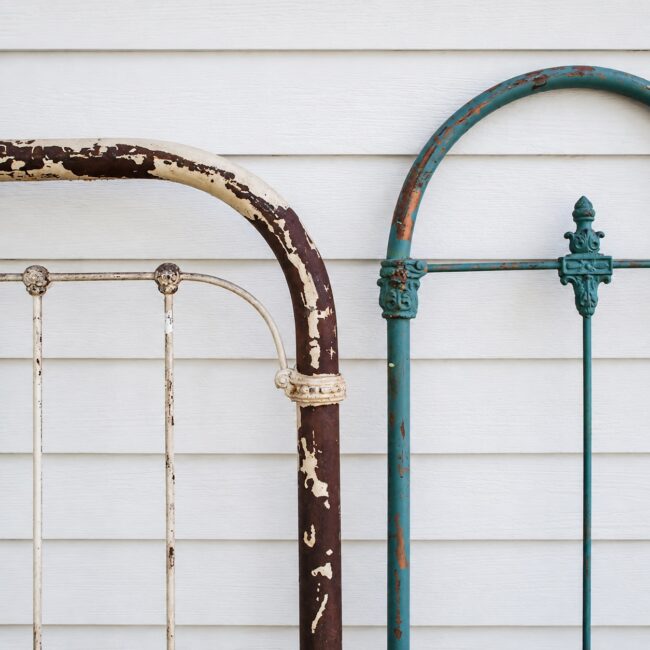
about antique iron beds. From economical 3/4-inch beds to elaborate Victorian examples with heavy 1 1/8-inch tubing—and the enormous 2-inch beds of the early 1900s—size matters, but not always in the way you might expect.