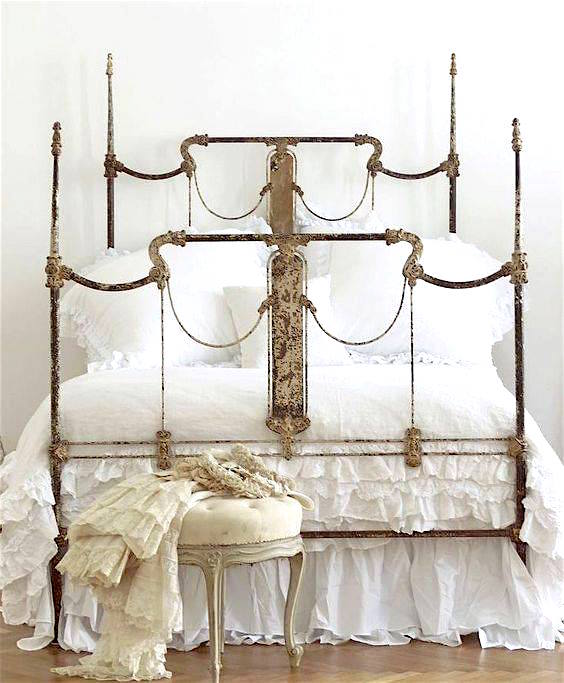
For collectors and decorators alike, one of the first questions asked when discovering an antique iron bed is, “How old is it?” While there is no single feature that reveals an exact year of manufacture, several clues can help you estimate the age of an authentic antique iron bed with surprising accuracy. By studying its construction, ornamentation, proportions, and hardware, you can often place a bed within a particular era and better appreciate its history.
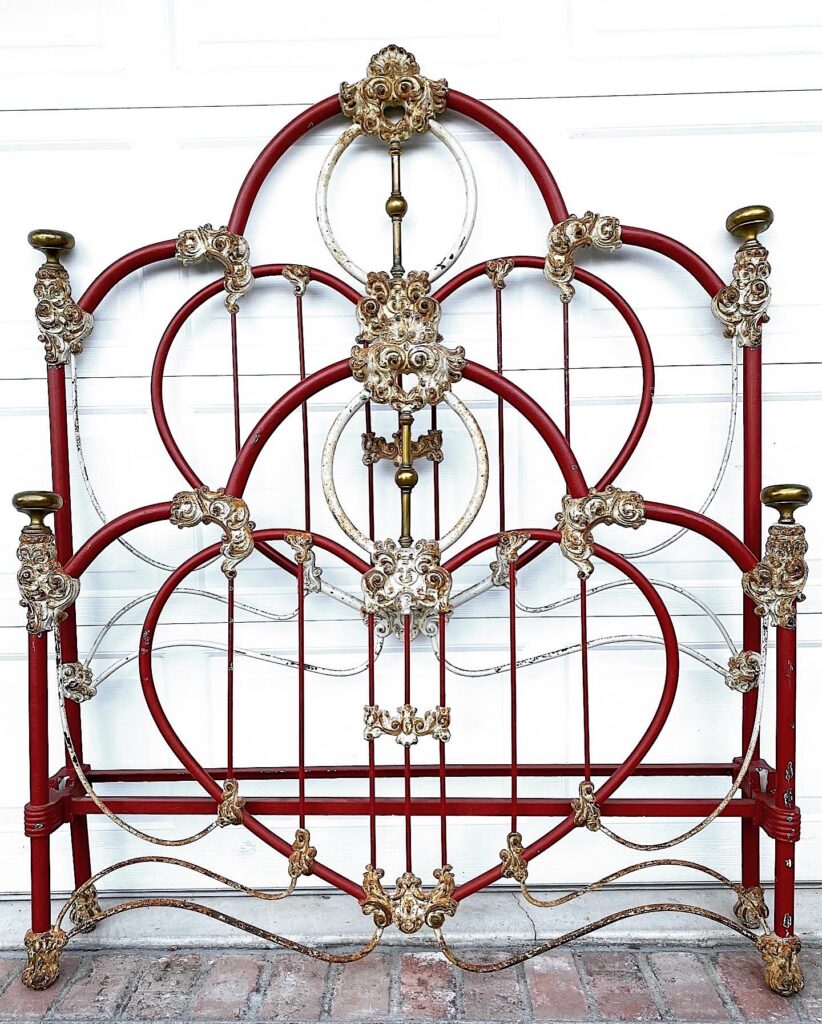
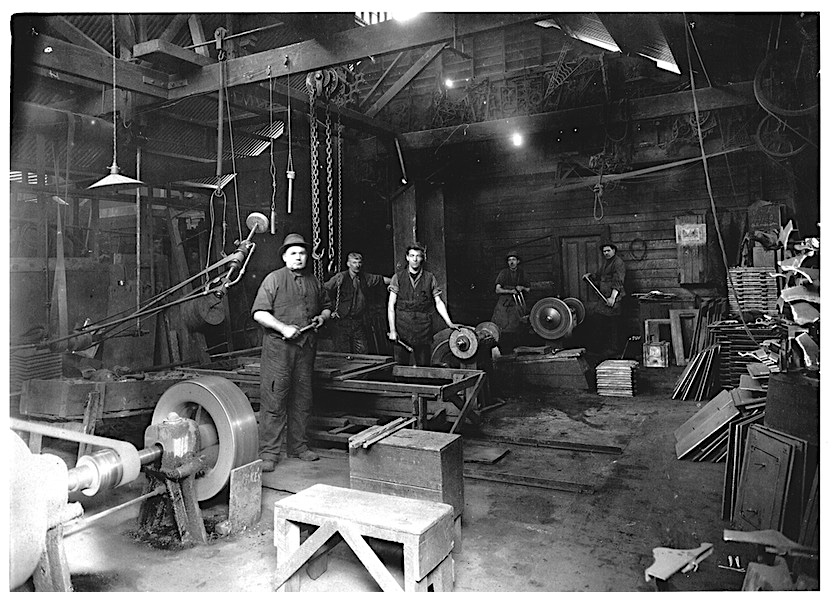 The earliest iron beds of the early nineteenth century were generally handcrafted and relatively simple. Blacksmith-forged components, hand-filed details, and slight irregularities are common. As American foundries grew during the Victorian era, casting technology improved dramatically, allowing for increasingly elaborate decorative motifs. Beds from the mid-1800s frequently display deeply sculpted castings featuring flowers, grapes, scrolls, or symbolic emblems. In many cases, the more intricate and substantial the castings, the earlier the bed is likely to be.
By the late Victorian period, foundries had perfected mass production. Tall headboards, graceful curves, and richly ornamented castings became hallmarks of high-quality antique iron beds. Tubing was typically heavy-walled and exceptionally durable. Many of the finest examples from this period remain as sturdy today as when they left the factory more than a century ago. Original finishes, whether painted, japanned, or accented with hand striping, are valuable clues as well. Layers of old paint and gentle wear often tell a story that no reproduction can replicate.
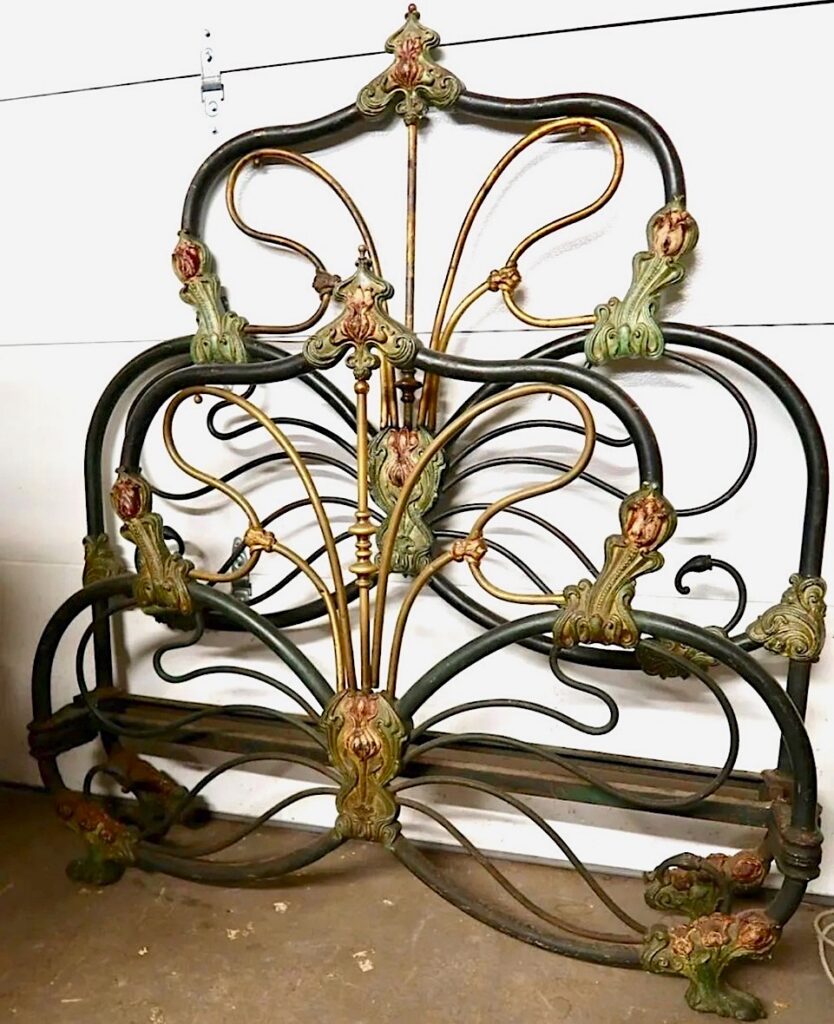 Around the turn of the twentieth century, design tastes began to change. The flowing lines of Art Nouveau influenced bed design, bringing whiplash curves and botanical themes into the bedroom. As the decades progressed, ornamentation gradually became more restrained. Beds produced in the 1910s and 1920s often feature cleaner silhouettes and less elaborate castings than their Victorian predecessors. Simpler forms generally suggest a later manufacture date, although quality construction remained the norm.
Hardware offers another important clue. Early beds frequently employ large bolts, handmade fasteners, and distinctive rail connections. Examining the side rails and the method by which they attach to the headboard and footboard can provide valuable insight into age and authenticity. Wear patterns on these original components should be consistent with the rest of the bed. Mismatched hardware may indicate later repairs or alterations rather than the bed’s original configuration.
Size can also help with dating. Antique iron beds were commonly made in dimensions that differ from modern standards. Three-quarter and early double sizes were particularly popular during the nineteenth century. Many antique iron beds have since been sympathetically converted to accommodate modern king-size mattresses while preserving their original character. Such conversions can make these historic pieces practical for contemporary homes without diminishing their charm.
The global events of the twentieth century influenced bed design as well. During wartime, especially the years surrounding World War II, manufacturers favored simpler, more economical forms that required less material and labor. The highly ornate castings of the Victorian age gave way to cleaner, utilitarian lines. Consequently, a bed with minimal decoration and lighter construction is often of later origin than one with substantial castings and lavish detail.
Of course, exceptions abound. Certain manufacturers continued producing ornate designs long after their peak popularity, and some later reproductions imitate nineteenth-century styles. Therefore, it is best to consider all the evidence together rather than relying on a single characteristic. Construction quality, decorative motifs, hardware, finish, and proportions should all be evaluated as part of the larger picture.
 Ultimately, estimating the age of an antique iron bed is as much an art as it is a science. Each bed carries the marks of its era and the craftsmen who created it. The process of studying these details deepens our appreciation for the enduring beauty of antique iron beds and the remarkable history they embody. Whether you are furnishing a period home, searching for an heirloom-quality piece, or simply satisfying your curiosity, learning to read these clues transforms an attractive piece of furniture into a tangible connection with the past. That connection is one of the many reasons authentic antique iron beds continue to captivate collectors and homeowners alike, standing as timeless examples of artistry, craftsmanship, and sustainable design.
Hope you’ll get the time to circle back around and visit our website : https://www.cathousebeds.com/ ,see all the other blog postings on the history behind our beautiful antique iron beds. If you’re looking for a bed….please go to our homepage and click “See Our Inventory”….we’ll be happy to email you photo’s of everythijg we currently have.