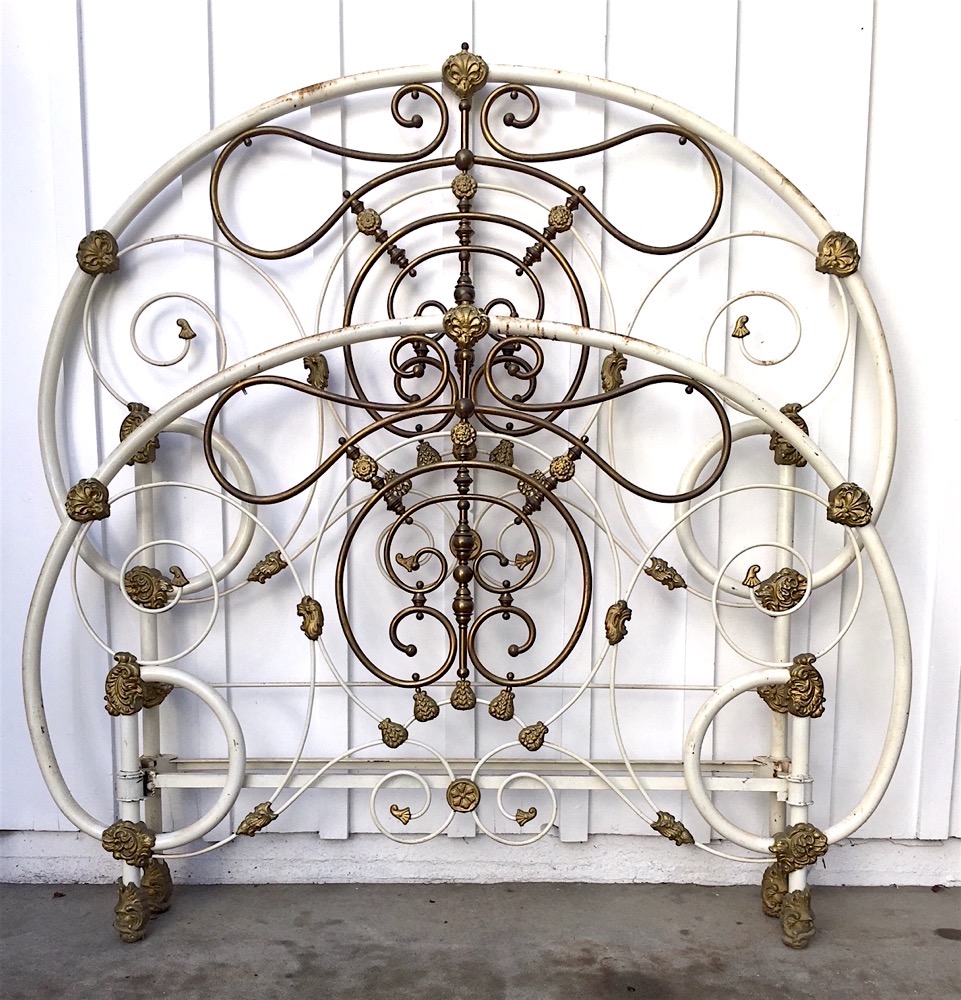
After more than fifty years buying, restoring, and selling antique iron beds, I’ve learned that every bed has a story.
Some stories are simple. A bed passed from grandparents to grandchildren. A wedding present treasured for generations. A beautiful Victorian bed that quietly occupied the same bedroom for over a century.
 Then there are the rare exceptions.
“Every antique iron bed has a story… but only one in a lifetime might whisper the name Wyatt Earp.”
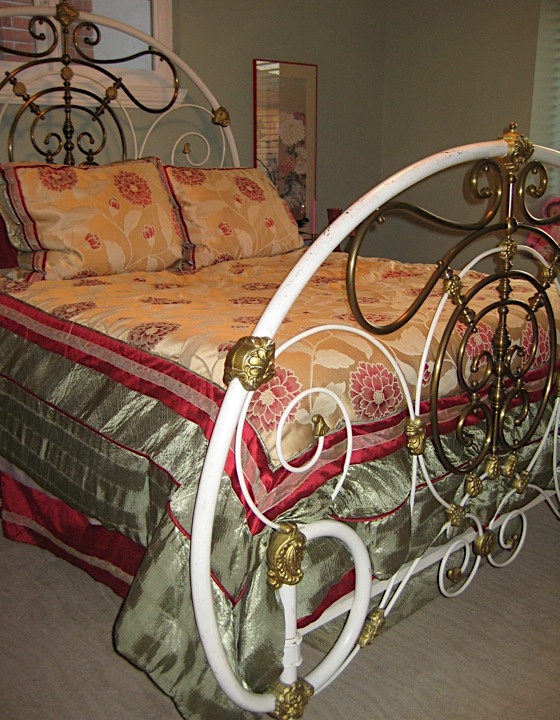
Every once in a great while, an antique iron bed comes along with a history so captivating that you find yourself wondering about the remarkable lives it may have touched. One such bed arrived at Cathouse Antique Iron Beds several years ago, and to this day it remains one of the most fascinating pieces we’ve ever had the privilege to own.
Like many wonderful discoveries, this one began with an experienced Colorado antique picker.
He had spent decades searching old ranches, mining towns, forgotten farmhouses, and family estates throughout the Rocky Mountains. This time, however, he wasn’t simply bringing me another beautiful antique iron bed. He was bringing me a story that had been passed down through one Colorado family for generations.
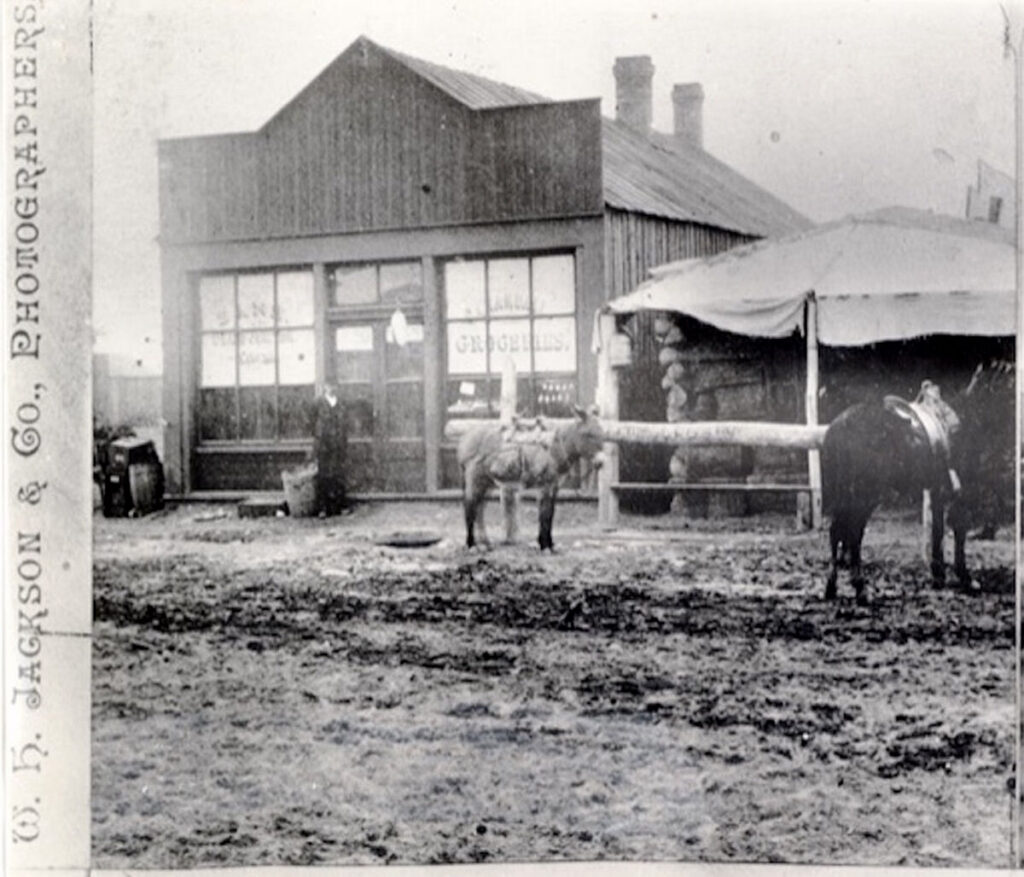 The bed had belonged to an elderly woman living near Grand Junction, Colorado. According to her family, she had inherited it from her great-grandmother, who was said to have operated the leading brothel in Grand Junction during the booming Wild West years of the 1870s.
Like so many stories handed down through generations, some details can no longer be independently verified. But the remarkable thing was that every member of the family told the same story. It had become part of their history, passed from one generation to the next for well over a century.
As someone who has spent a lifetime around antique iron beds, I knew immediately this wasn’t an ordinary bed.
The craftsmanship alone made that obvious.
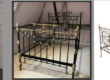
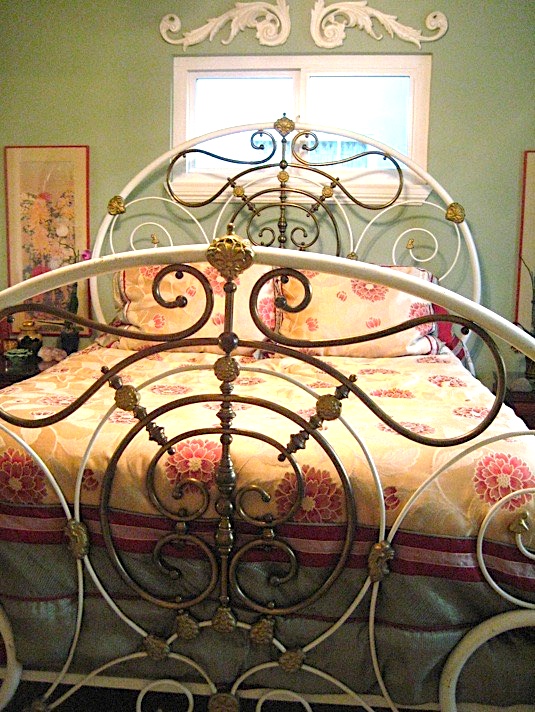
Unlike many surviving examples from the late nineteenth century, this bed was beautifully proportioned, with substantial iron construction, elegant brass trim, and finely detailed castings. It wasn’t built as inexpensive furniture. It was built to impress.
If the family story was true, that made perfect sense.
Successful frontier establishments competed for wealthy travelers, cattlemen, mining executives, railroad officials, and businessmen who expected comfort as well as luxury. The finest room in the house deserved one of the finest beds available.
Standing beside it, I couldn’t help imagining Grand Junction during those early frontier years.
The streets were alive with horses, wagons, stagecoaches, and later the railroad. Dust drifted through town during the day, while the glow of saloons illuminated the streets after sunset. Piano music spilled through open windows. Miners celebrated successful claims. Gamblers chased fortunes. Cowboys, merchants, ranchers, and travelers from every corner of the West found themselves passing through this growing Colorado town.
Somewhere among all that activity stood an elegant establishment where this magnificent antique iron bed occupied one of its finest rooms.
Then the picker smiled and shared one more piece of the story.
“You know,” he said, “the old-timers around here always claimed Wyatt Earp slept in this bed.”
That certainly got my attention.
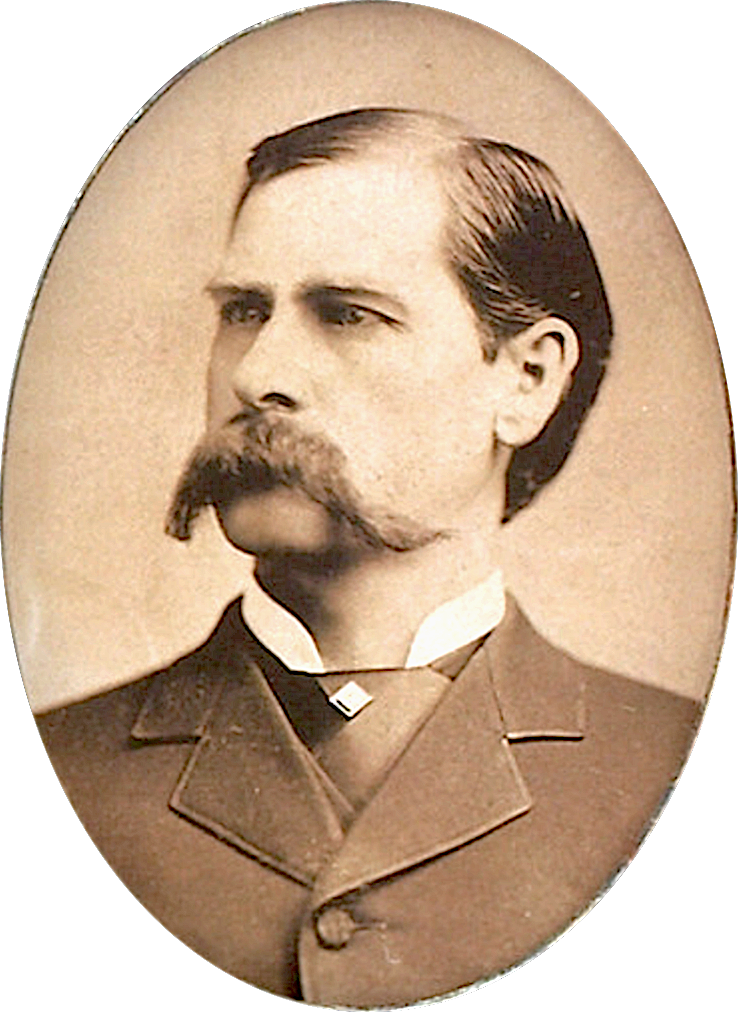
According to local lore, Wyatt Earp stayed there while traveling across Colorado to visit his longtime friend, Doc Holliday, in Glenwood Springs.
Can anyone prove that happened?
No.
Can anyone prove it didn’t?
No.
But the timeline makes the story surprisingly believable.
After the famous Gunfight at the O.K. Corral, Wyatt Earp traveled extensively throughout the American West. Meanwhile, John “Doc” Holliday arrived in Glenwood Springs in May of 1886, hoping the town’s famous mineral hot springs would ease the effects of his advanced tuberculosis.
Sadly, the sulfur-rich vapors aggravated his condition instead of helping him. Holliday remained in Glenwood Springs until his death on November 8, 1887, at the age of just thirty-six, at the original Hotel Glenwood.
Anyone traveling west to visit Holliday would likely have passed through Grand Junction. Whether Wyatt Earp actually spent a night in this particular bed may never be known with certainty, but it is one of those wonderful pieces of Colorado folklore that has survived for generations.
Truthfully, I hope the mystery is never completely solved.
Sometimes history is made even richer by the questions it leaves behind.
One of the things I’ve always loved about authentic antique iron beds is that they often outlive the people who first purchased them by well over a hundred years.
Unlike much of today’s furniture, these beds were built with extraordinary materials. Heavy iron. Thick-wall tubing. Beautiful castings that served both decorative and structural purposes. They were intended to last for generations, and many have done exactly that.
Because they survive so long, they become silent witnesses to history.
Think about all the lives one bed can touch over 150 years.
Children are born into families that sleep in them.
Couples begin married life together.
Grandparents tell stories from beneath their tall headboards.
Families gather around them during illness.
Loved ones say their final goodbyes beside them.
Few pieces of furniture become such an intimate part of family history.
That is why I have always believed antique iron beds possess a character that simply cannot be reproduced.
Modern reproductions may imitate the appearance of old iron beds, but they cannot recreate a century and a half of real history.
This Grand Junction bed reminded me of that more than almost any other.
Visitors who saw it in our showroom were immediately drawn to it.
At first they admired the brass, the graceful lines, and the exceptional craftsmanship.
Then they heard the story.
Suddenly they weren’t just looking at an antique iron bed.
They were looking at a surviving piece of the American frontier.
Was this where a successful frontier madam welcomed distinguished guests?
Did railroad executives rest here after long journeys?
Did wealthy cattlemen spend the night before continuing west?
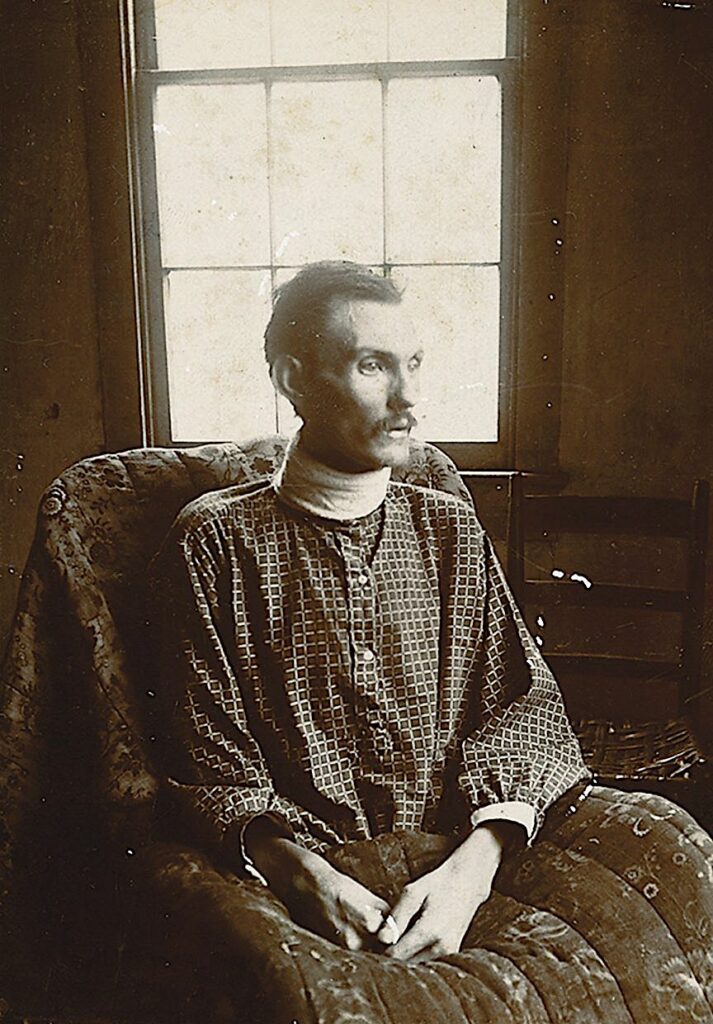 Did Wyatt Earp really sleep beneath these brass rails while on his way to visit Doc Holliday?
We’ll probably never know.
But every person who stood beside that bed asked exactly the same questions.
That’s what made it unforgettable.
Over the years, Cathouse Antique Iron Beds has been fortunate enough to handle thousands of original antique iron beds. Some have come from historic hotels. Others from Victorian mansions, farmhouses, mining towns, and family estates across America.
Each one carries its own history.
Each one represents the remarkable craftsmanship of another era.
Every once in a while, however, one arrives with a story that captures your imagination in a way few others can.
This Wild West bed was one of those rare treasures.
As I often tell people, we never truly own these magnificent old beds.
We’re simply their temporary caretakers.
Our responsibility is to preserve them, respect their history, restore them when necessary, and eventually pass them on to someone who will appreciate them for another generation or two.
Perhaps that’s why I enjoyed owning this bed so much.
Not because of its value.
Not even because of its extraordinary craftsmanship.
But because it reminded me that antique iron beds are so much more than beautiful furniture.
They are survivors.
They are storytellers.
And every now and then, if you’re fortunate enough to listen carefully, they whisper tales of dusty frontier towns, elegant ladies, famous lawmen, lifelong friendships, and legends that continue to grow with every passing generation.
Whether Wyatt Earp actually slept in this remarkable antique iron bed is a question history may never answer.
But standing beside it, with its beautifully aged iron, gleaming brass, and unmistakable presence, it wasn’t difficult to imagine that he just might have.
And sometimes, that’s exactly what makes an authentic antique iron bed so unforgettable.
 Editor’s Note: The history surrounding this remarkable bed has been faithfully passed down through generations of the family who owned it. While some details remain part of local Colorado lore and cannot be independently documented, preserving the stories that accompany authentic antique iron beds is every bit as important as preserving the beds themselves.
Hope you’ll take the time to revisit our site Cathousebeds.com to see what other historic blogs we have.