There has probably never been a better time to own an antique iron bed—and there has probably never been a more confusing time to figure out whether the iron bed you’re looking at is actually antique.
Walk into a furniture showroom, browse an online marketplace, or scroll through social media and you’ll find iron beds that look remarkably old. Some have Victorian-style castings, elaborate headboards, distressed paint, decorative finials and all the visual characteristics we associate with an antique iron bed.
But there is an important distinction between looking antique and actually being antique.
Modern manufacturing techniques are capable of reproducing the appearance of an antique iron bed with astonishing accuracy. A newly manufactured bed can be made to look as though it has been sitting in an old farmhouse, hotel or bedroom for a century.
So how do you tell the difference?
The answer may be much easier than you think.
At Cathouse Antique Iron Beds, we’ve spent decades handling, buying, selling and restoring original antique iron beds. While there are many clues that can help establish the age of an iron bed, two of the easiest involve something most people would never think to examine: how the bed is assembled and what its castings are made from.
Start With the Side Rails
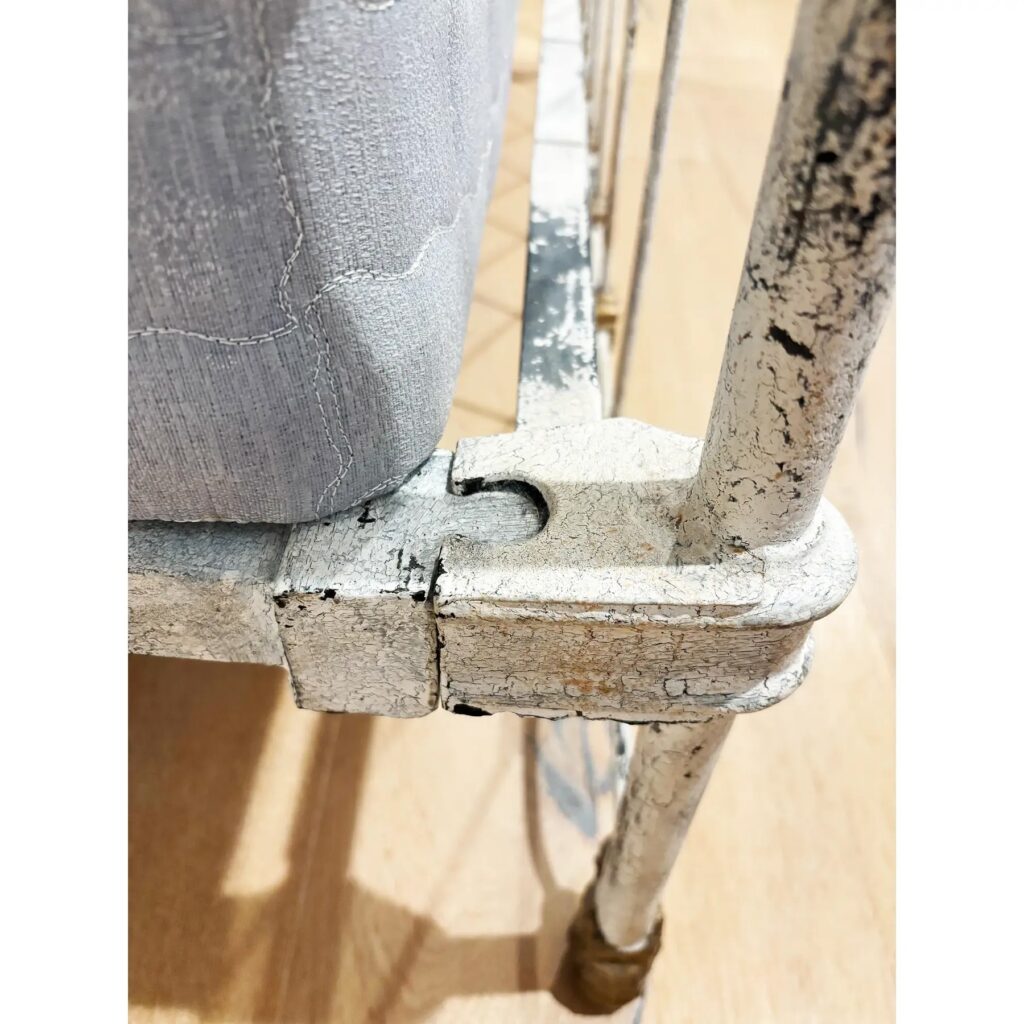 One of the quickest ways to determine whether an iron bed is genuinely old is to look closely at the ends of the side rails.
The side rails are the pieces that connect the headboard and footboard and hold the bed together. On a modern reproduction, the rails will generally attach to the headboard and footboard using screws, bolts or other modern fastening hardware.
That may look perfectly
“Original antique iron beds used ingenious cast-iron connections that lock the side rails into place.”
reasonable. After all, that’s how we build things today.
But that isn’t how many original antique iron beds were designed.
Look at the end of the side rail on an authentic antique iron bed and you may find a very distinctive cast-iron connection that resembles a tapered ice-cream cone.
The shape narrows toward one end and drops into a corresponding, reverse-shaped opening in the casting attached to the headboard or footboard. Once the side rail is lowered into place, the weight and design of the connection cause it to seat itself securely.
In effect, the bed tightens itself together.
There are no modern bolts passing through the headboard and footboard to hold the rail in place.
This is one of the beautiful things about the engineering of original antique iron beds. They were designed to be assembled, disassembled and moved without the modern hardware we take for granted today.
So if you’re examining an iron bed and the side rails simply bolt directly to the headboard and footboard with modern screws and bolts, take a closer look.
It may be a reproduction.
The Magnet Test
Here’s another remarkably simple test—and one you can do in seconds.
Take a magnet with you.
An original antique iron bed contains iron castings. Those castings were created when molten iron was poured into molds to create the decorative and structural pieces that joined rods, tubes and other components of the bed.
These castings are sometimes referred to as “chills.”
Look around the joints of an antique iron bed and you’ll often see these decorative castings. They can be wonderfully elaborate and may include everything from floral motifs and geometric designs to horseshoes, leaves, grapes, butterflies, angels, animals and other
decorative symbols.
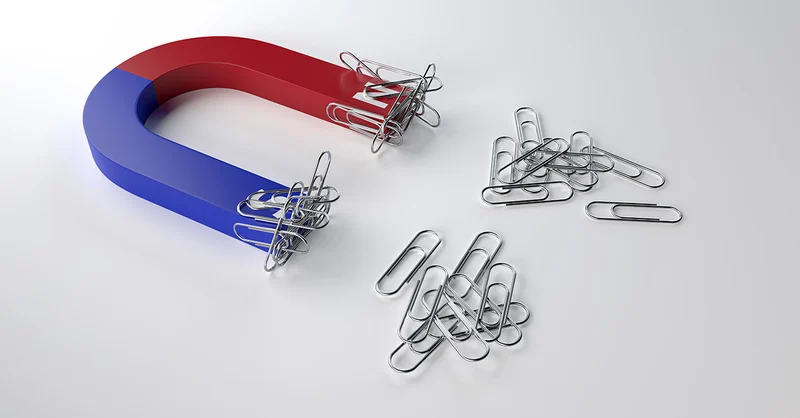
Now place your magnet against one of those castings.
If the magnet is attracted to it, you’re dealing with an iron casting.
If the magnet doesn’t attract to it, you’ve got another important clue.
Modern reproductions frequently use aluminum castings because aluminum is inexpensive, lightweight and easy to manufacture. A magnet will not be attracted to aluminum.
And that’s precisely why the magnet test can be so useful.
Iron attracts a magnet. Aluminum does not.
“The magnet test: iron attracts a magnet; aluminum does not.”
Antique iron beds were made with iron castings. Aluminum was not the material used for these original antique bed castings.
So if you’re looking at a bed that appears to be antique but your magnet won’t stick to the decorative castings, you’ve just uncovered a very important warning sign.
Why Materials Matter More Than Appearance
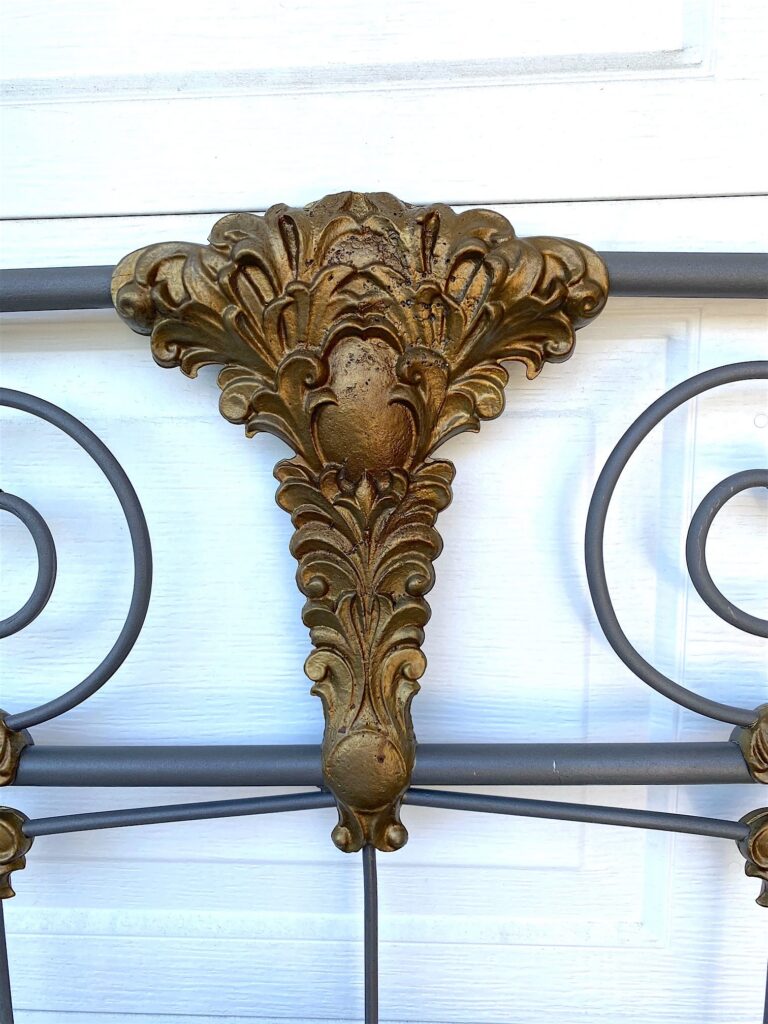 This is where determining the age of an iron bed gets particularly interesting.
Modern manufacturing can duplicate the appearance of an antique iron bed. It can duplicate the curves. It can duplicate the decorative patterns. It can duplicate the shapes of the castings. It can even duplicate the appearance of an old, distressed finish.
But it cannot change what those modern components are made from.
And that’s why materials can tell you more than appearance.
When original antique iron beds were being manufactured during the 19th century and early 20th century, manufacturers weren’t trying to create something that merely looked substantial.
They were actually building substantial beds.
The iron tubing was often heavy gauge and thick-walled. The castings were made from iron. The connections were engineered for strength and durability.
Today, the bottom line in manufacturing is frequently cost.
Aluminum is considerably less expensive and easier to work with than heavy cast iron. Thinner-wall tubing costs less than thick, heavy-gauge tubing. Modern production methods allow manufacturers to create beds faster and more economically than the foundries of the past could have imagined.
The result can be a bed that looks remarkably similar to an antique—but is fundamentally different in its construction.
Don’t Be Fooled by a “Distressed” Finish
Paint can be especially deceptive.
An authentic antique iron bed may have accumulated layers of paint over many decades. It may have areas where the original finish has worn away from years of use. It may have chips, scratches, oxidation and other signs of age.
“The castings—or ‘chills’—were both structural and decorative elements of original iron beds.”
Those imperfections are part of its history.
Today, however, a manufacturer can create a distressed finish intentionally.
A brand-new bed can be painted, sanded, rubbed and finished to make it appear as though it has been around for generations.
There is nothing inherently wrong with a new reproduction if that’s what you’re looking for.
The problem comes when a reproduction is represented as an antique.
That’s why we encourage buyers to look beyond the paint.
Don’t just look at what the bed looks like. Look at how it was made.
Examine the connections.
Examine the castings.
Examine the tubing.
Bring a magnet.
Look underneath.
Ask questions.
Original Antique Iron Beds Were Built to Last
Perhaps the most remarkable thing about an original antique iron bed isn’t that it has survived for 100, 125 or even more than 150 years.
It’s how it has survived.
Think about everything an antique iron bed has experienced during its lifetime.
It may have been moved from one house to another. It may have been dismantled and reassembled countless times. It may have lived in a child’s bedroom, a guest room, a farmhouse, a city apartment, a boarding house or a grand Victorian home.
It has survived generations of changing tastes.
And yet, here it is.
Still standing.
Still useful.
Still beautiful.
That is a pretty extraordinary testament to the materials and craftsmanship that went into making these beds.
And it is one of the reasons we have such tremendous respect for original antique iron beds at Cathouse Antique Iron Beds.
Antique vs. Reproduction: Look Beneath the Surface
When you’re shopping for an antique iron bed, don’t allow yourself to be convinced solely by the way it looks.
Ask yourself:
How are the side rails attached?
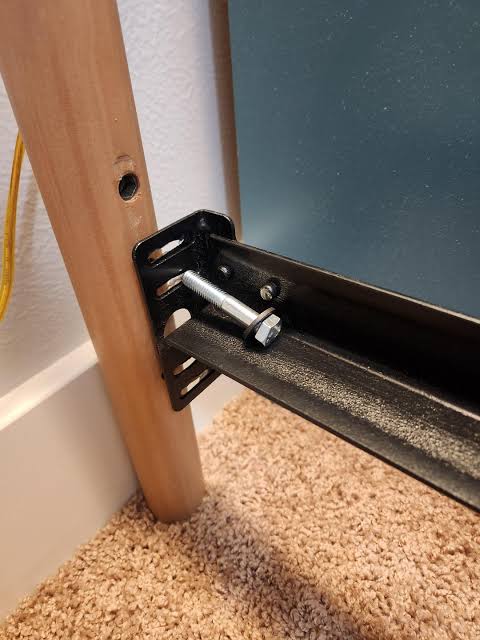 If they use modern screws and bolts to attach directly to the headboard and footboard, be cautious.
If the ends of the rails have the distinctive tapered cast-iron connections that drop into their corresponding fittings and tighten as they seat, you may be looking at an original antique construction method.
Then perform the magnet test.
Does the magnet stick to the castings?
If it does, you’re dealing with iron.
If it doesn’t, and the casting is aluminum, you may be looking at a modern reproduction.
Neither test should be considered the only evidence when determining the age of an unusual or altered bed. Antique iron beds have been repaired, modified, repainted and converted over the years. But these simple examinations can provide a remarkably useful starting point.
The Real Value of an Original
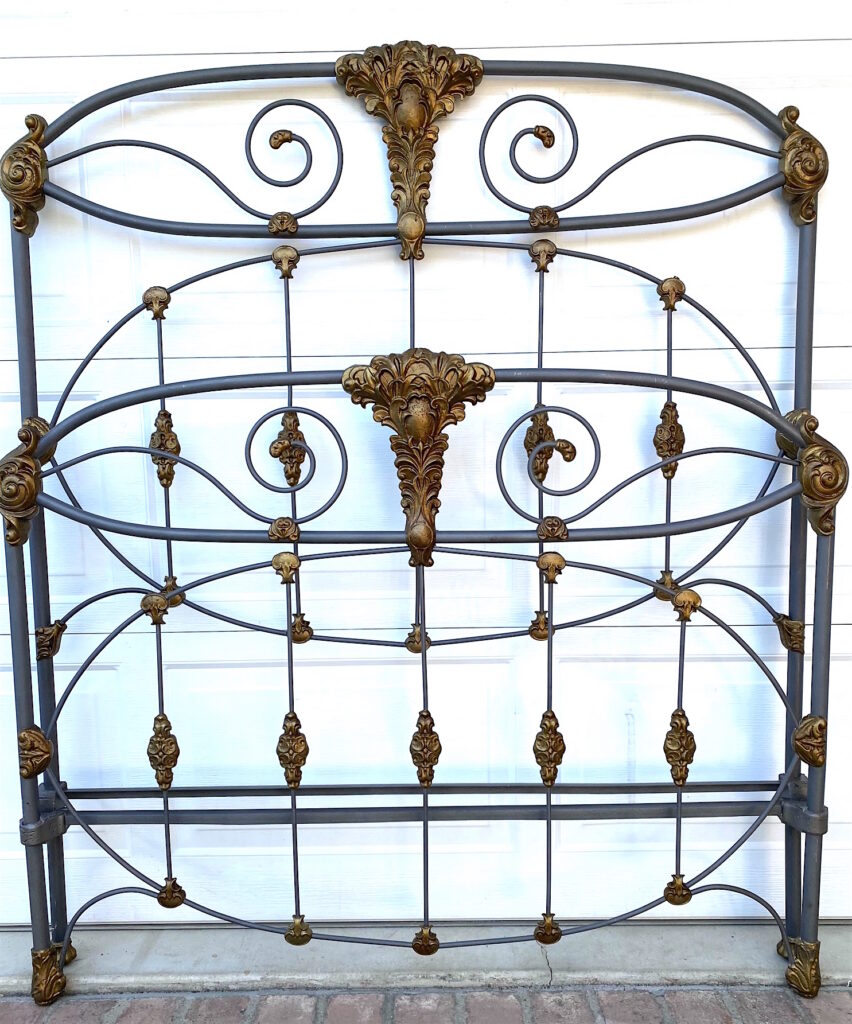 There is something special about owning an object that doesn’t have to pretend to be old.
An original antique iron bed doesn’t need a faux finish to suggest that it has a history.
It has a history.
Every scratch, layer of paint and worn area may be part of the story of the bed. The heavy iron, the original castings and the ingenious connections are evidence of a manufacturing era when these beds were built to serve generations rather than simply satisfy a short-lived decorating trend.
That’s the real difference.
A reproduction can copy the look of an antique iron bed.
An original antique iron bed carries the materials, craftsmanship and history of the time in which it was actually made.
At Cathouse Antique Iron Beds, we believe that distinction matters.
Because when you’re buying an antique iron bed, you’re not simply buying a bed that looks old.
You’re buying the original.
And after more than a century, that’s something that doesn’t need to be reproduced.
A Simple Checklist Before You Buy an Iron Bed
Before purchasing an iron bed advertised as antique, take a few minutes to inspect it carefully:
- Check the side-rail connections. Look for original cast-iron drop-in connections rather than modern screws and bolts.
“Heavy-gauge iron construction is one of the reasons original antique iron beds have survived for generations.”
- Bring a magnet. Test the decorative castings and structural connection pieces.
- Look at the tubing. Original antique beds often used substantial, heavy-gauge iron rather than today’s thinner-wall tubing.
- Inspect the castings. Don’t assume that elaborate decoration means the bed is old.
- Look beyond the paint. A distressed finish can be created on a brand-new reproduction.
- Ask questions about its history. A knowledgeable seller should be able to explain what they know about the bed and its construction.
- Examine the materials—not just the appearance.
When it comes to antique iron beds, the truth is often hiding in the places most buyers never think to look.
And sometimes, all you need is a magnet.