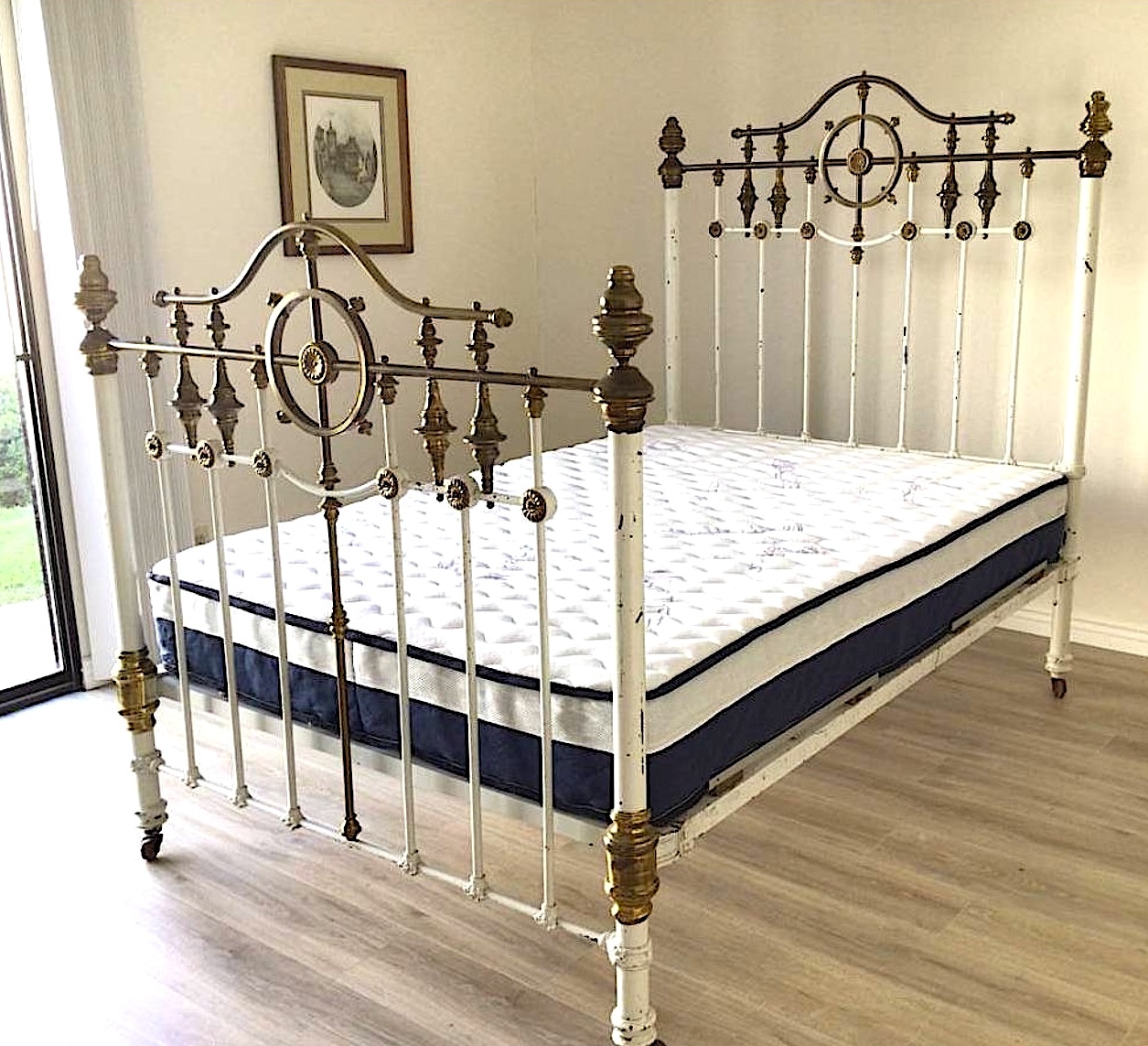
If you’ve ever admired an antique iron bed, you’ve probably noticed one feature that stands out immediately—their impressive height. Unlike many of today’s low-profile platform beds, antique iron beds were often elevated well above the floor, with towering headboards and generous under-bed clearance.
Many people assume this was simply a design trend or a way to make bedrooms look more elegant. While antique iron beds certainly possess a timeless grandeur, their height wasn’t originally about appearance at all. It was born out of necessity.
In the days before central heating, modern insulation, and effective pest control, a bed had to do much more than provide a comfortable place to sleep. It had to help keep its occupants warm, protect them from rodents and insects, and stand up to decades of everyday use. The height of antique iron beds solved several practical problems at once—and the beautiful styling we admire today was really a fortunate bonus.
Let’s explore why antique iron beds were built so high and why these remarkable pieces remain just as desirable today as they were over a century ago.
Staying Above the Cold
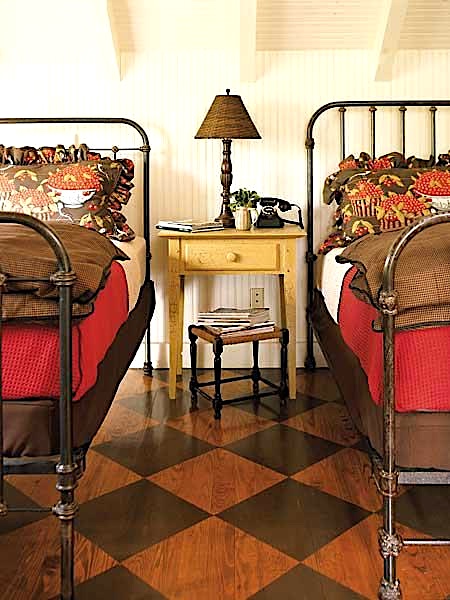 The number one reason antique iron beds were built higher off the ground was surprisingly simple—they helped people stay warmer.
Today, most of us enjoy central heating that keeps every room at a fairly consistent temperature. A hundred years ago, that simply wasn’t the case.
Homes relied on fireplaces, coal stoves, or wood-burning heaters. Often, only one room in the house had a reliable heat source, and bedrooms could become extremely cold during the night. Warm air naturally rises while cold air settles toward the floor. This meant the closer you slept to the floor, the colder your night’s sleep would be.
By raising the bed well above the floor, manufacturers helped sleepers escape those chilly drafts that constantly circulated near ground level.
The extra twelve to twenty-four inches of elevation could make a meaningful difference on freezing winter nights.
When viewed through the lens of history, the tall antique iron bed wasn’t a luxury—it was a practical solution to everyday living.
Before Central Heating Changed Everything
It’s easy to forget how dramatically modern heating has changed our homes.
Before furnaces and forced-air systems became commonplace, every room had its own unique temperature. Bedrooms were often among the coldest spaces in the home because fireplaces weren’t always kept burning throughout the night.
Families depended on thick quilts, wool blankets, feather beds, and elevated bedsteads to stay comfortable.
The height of an antique iron bed worked together with heavy bedding to create a warmer sleeping environment.
What seems like an unusual design feature today was actually an important part of surviving winter comfortably.
Keeping Rodents at Bay
The second major reason antique iron beds were built higher was protection from rodents.
Older homes naturally attracted mice and other small animals. Tiny openings around foundations, walls, and doors made it easy for rodents to enter, especially during colder months.
Manufacturers couldn’t eliminate rodents, but they could make reaching the sleeping area more difficult.
A taller bed required mice to climb farther before reaching the mattress, reducing the likelihood of unwanted nighttime visitors.
While no bed could completely prevent rodents, every additional obstacle helped.
Height became another practical layer of protection.
Why Iron Was Better Than Wood
Material mattered just as much as height.
Wooden beds were extremely common throughout history, but they also presented problems.
Wood naturally contains tiny pores, cracks, joints, and crevices. These spaces provided ideal hiding places for insects—especially bed bugs.
Iron beds offered a significant improvement.
The smooth metal tubing and castings gave insects far fewer places to establish themselves compared with unfinished wood.
Iron was also easier to clean thoroughly and didn’t absorb moisture the way wood often could.
Although no bed was entirely immune to pests, iron bedsteads represented a noticeable step forward in household cleanliness.
This practical advantage became one of the reasons iron beds grew rapidly in popularity during the Victorian era.
The Birth of Beautiful Design
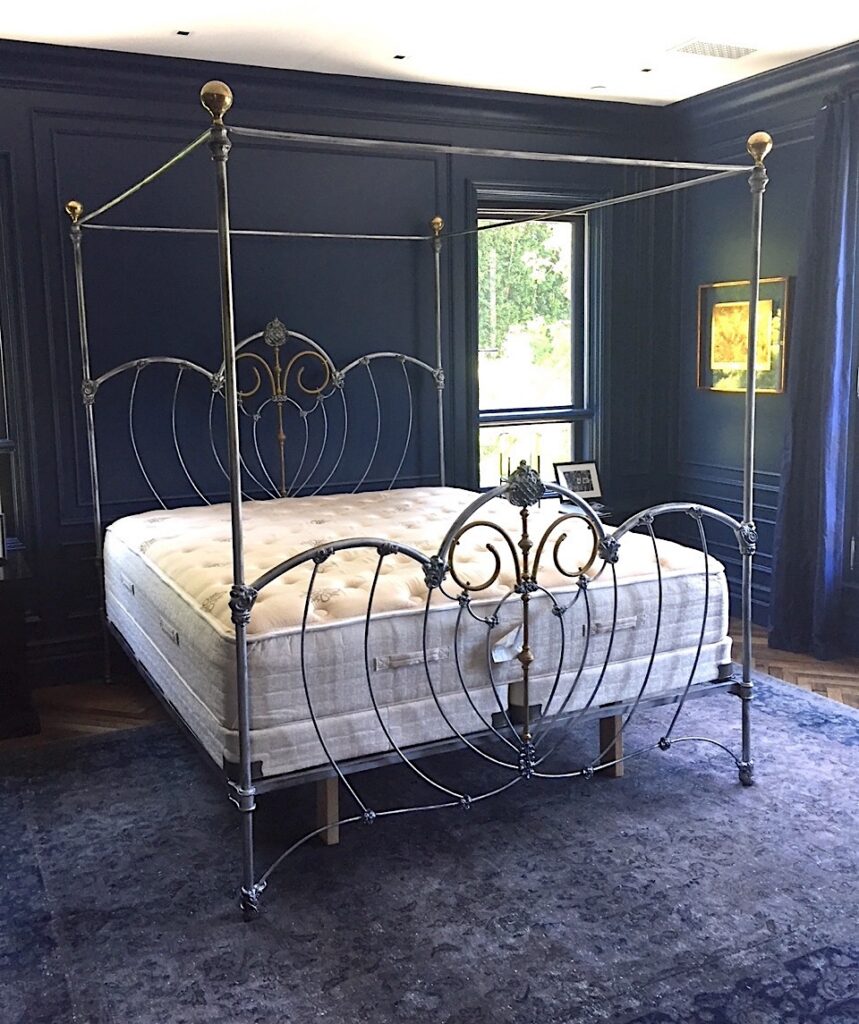 Once manufacturers realized customers appreciated taller beds, something interesting happened.
The increased height created a much larger canvas for decorative design.
Think of an artist receiving a larger piece of canvas.
Suddenly there was more room to create something extraordinary.
The same happened with antique iron beds.
A taller bed required a taller headboard to remain visually balanced. Rather than leaving that extra space empty, manufacturers filled it with elaborate scrollwork, graceful curves, intricate cast iron castings, decorative finials, elegant spindles, and beautifully proportioned tubing.
The result was furniture that was every bit as artistic as it was functional.
Many of the designs we admire today weren’t created solely for decoration—they evolved naturally from the practical proportions of the bed itself.
Victorian Craftsmanship at Its Finest
By the late nineteenth century, iron bed manufacturers were producing remarkable works of craftsmanship.
Every detail mattered.
Decorative castings, ornate scrolls, brass accents, porcelain knobs, and carefully proportioned tubing transformed practical furniture into statement pieces.
Today these original antique iron beds continue to impress because they combine engineering with artistry.
They weren’t disposable furniture.
They were built to last for generations.
Many have done exactly that.
Strength That Lasted Generations
Another reason antique iron beds remain so desirable is their incredible durability.
Unlike many modern beds made from particle board or lightweight materials, antique iron beds were engineered using heavy steel tubing and substantial castings.
Families often passed them down from one generation to the next.
Many surviving beds today are well over 100 years old and continue to provide excellent structural support.
That longevity is a testament to the quality of craftsmanship invested in every frame.
Why Antique Iron Beds Still Appeal Today
While modern homes no longer require elevated beds for warmth or pest protection, homeowners continue to appreciate the benefits antique iron beds offer.
Their timeless styling works beautifully in traditional farmhouses, Victorian homes, cottages, historic restorations, and even modern interiors seeking contrast and character.
A genuine antique iron bed creates a focal point unlike any mass-produced bedroom furniture.
Each bed carries its own history, craftsmanship, and personality.
No two are exactly alike.
That’s part of their enduring charm.
Antique Iron Beds and Authentic Restoration
Collectors, designers, and homeowners often seek authentic antique iron beds because they appreciate furniture built during an era when quality mattered above production speed.
Professionally restored antique iron beds preserve that original craftsmanship while allowing another generation to enjoy them.
Whether serving as the centerpiece of a historic home or adding character to a contemporary bedroom, they continue to tell the story of American craftsmanship.
The Practical Origins Behind Their Timeless Beauty
It’s fascinating how necessity often inspires beauty.
The impressive height of antique iron beds wasn’t originally intended to impress guests.
It was designed to solve everyday problems.
Sleeping farther from cold floors made winter nights warmer.
Greater elevation helped discourage rodents.
Iron construction reduced hiding places for insects compared with wooden beds.
Only after those practical challenges were addressed did manufacturers begin transforming these beds into works of decorative art.
The soaring headboards, intricate scrollwork, beautiful castings, and elegant proportions became the signature features we admire today.
In many ways, antique iron beds remind us that the finest designs often begin with practical ideas.
Their beauty wasn’t accidental—it evolved from thoughtful engineering combined with exceptional craftsmanship.
That’s why, more than a century later, antique iron beds continue to capture attention, enhance bedrooms, and remain one of the most enduring pieces of furniture ever made.
At CathouseBeds.com, we appreciate both the history and craftsmanship behind every antique iron bed. Each bed tells a story of practical ingenuity, timeless design, and American craftsmanship that deserves to be preserved. Whether you’re furnishing a historic home, restoring a family heirloom, or simply searching for a bed with unmatched character, an authentic antique iron bed offers a connection to a remarkable period of furniture making that modern manufacturing simply cannot duplicate.