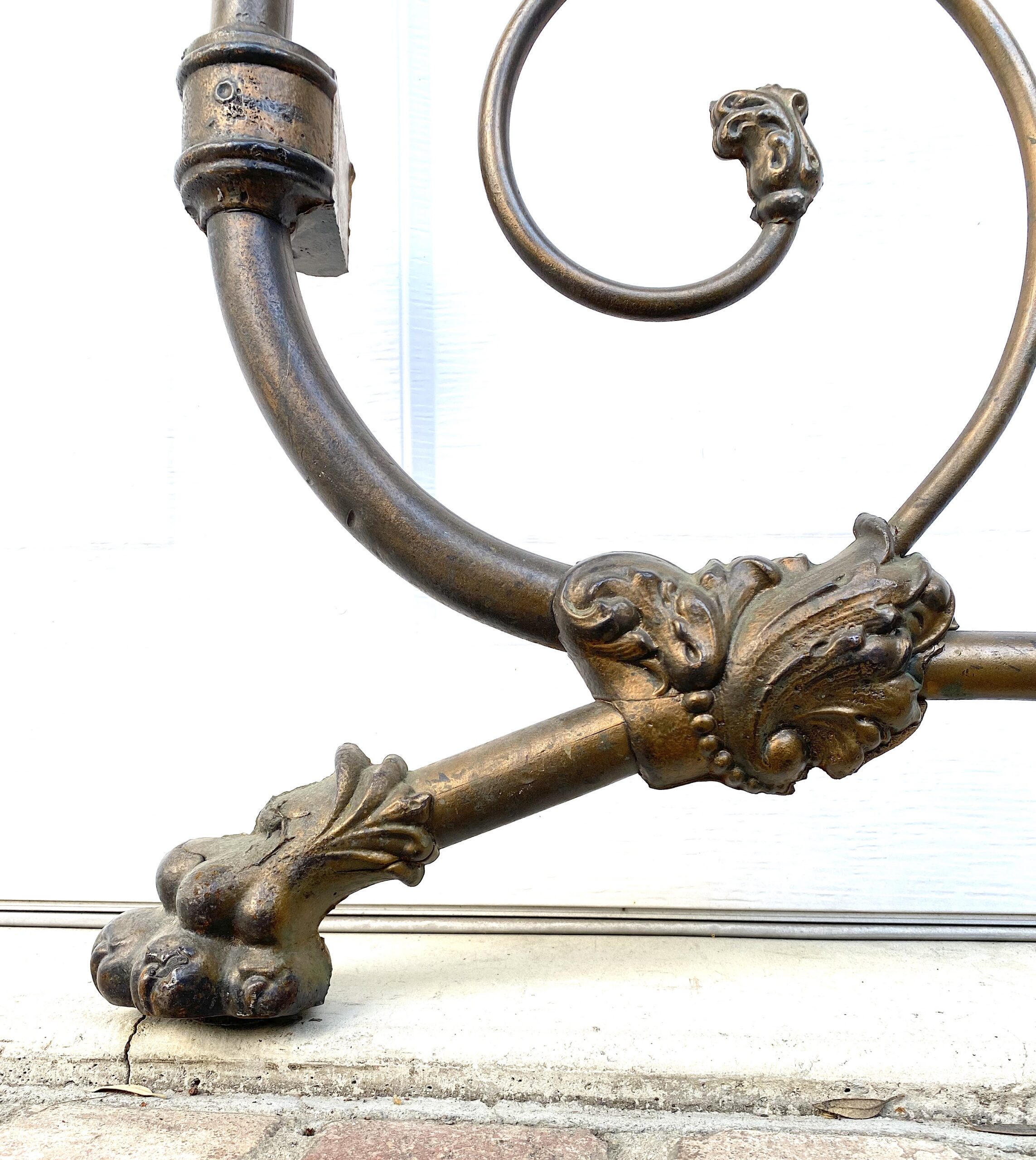
Have you ever wondered why “claw feet”, seemed to be a rather common design that was being used in Victorian furnishings ? When people admire beautiful Victorian antique iron beds, their attention is often drawn to the elegant castings, decorative scrollwork, and distinctive claw feet supporting the frame. While these striking feet add character and charm, they were never simply decorative. During the Victorian era, claw feet carried deep symbolic meaning, representing strength, protection, prestige, and craftsmanship.
Today, whether you’re restoring an original antique iron bed or choosing a faithful reproduction, understanding the history behind claw feet can make you appreciate these timeless designs even more.
The Origins of Claw Feet
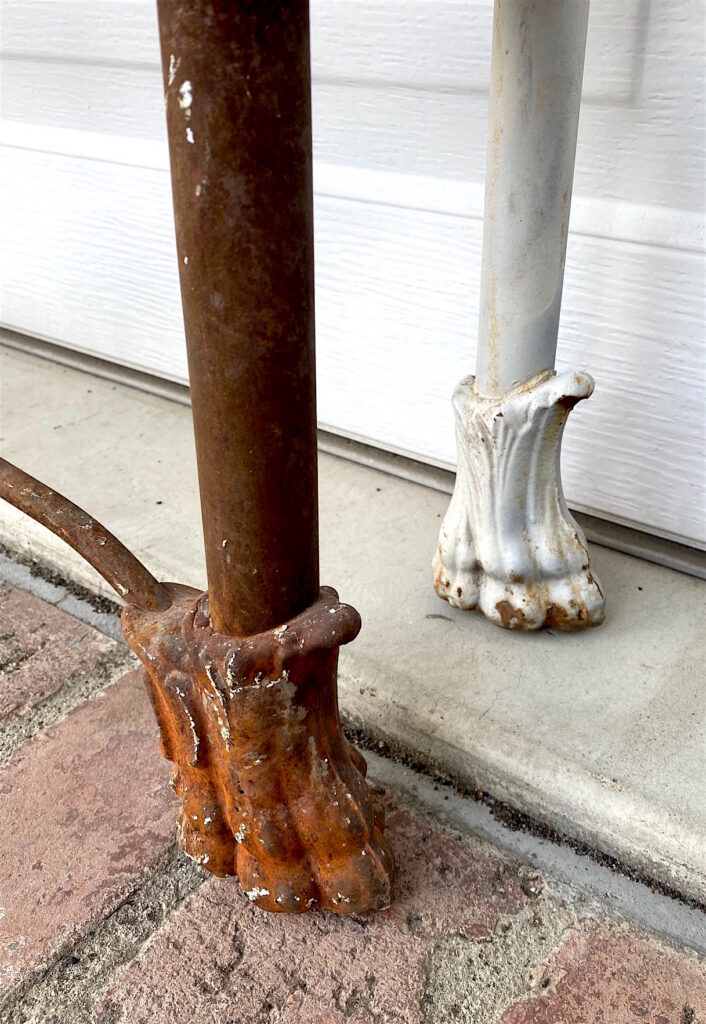 Although claw feet became especially popular during the Victorian period (1837–1901), their origins reach much further back. The design was inspired by classical European furniture, which itself drew influence from ancient Roman and Greek art. Over time, skilled cabinetmakers and foundries adapted the motif for chairs, tables, baths, and eventually iron bedsteads.
By the mid-19th century, advances in iron casting allowed manufacturers to create beautifully detailed bed frames with decorative feet that combined durability with artistic elegance.
A Symbol of Strength and Protection
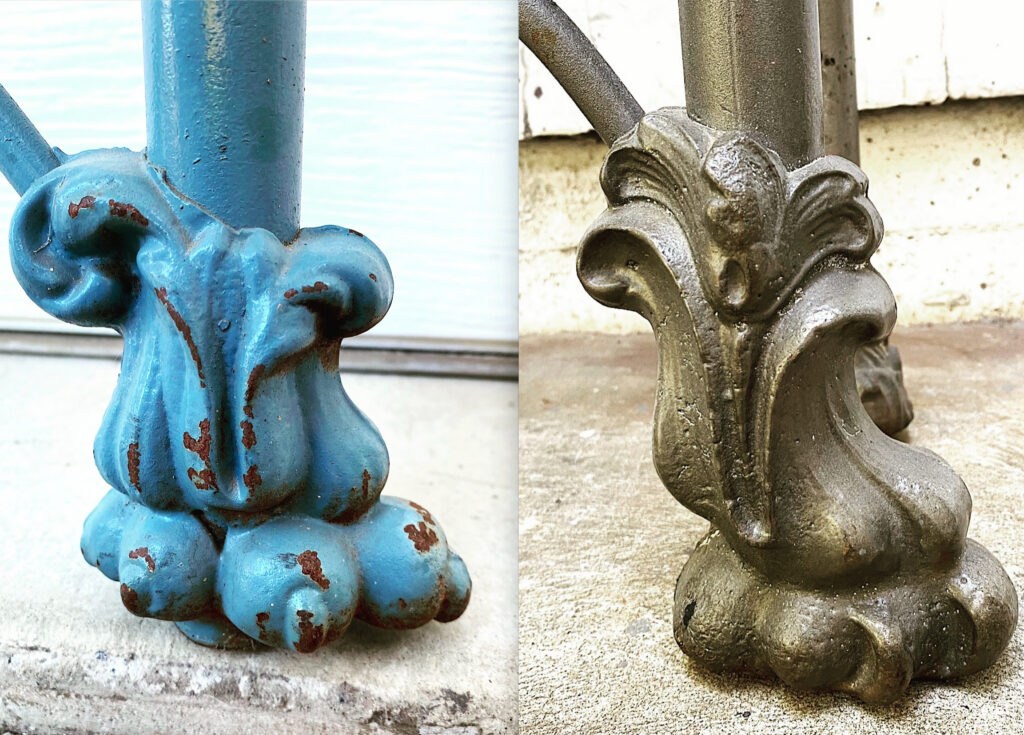 One of the most widely accepted meanings of claw feet is strength.
The claw—often resembling that of a lion, eagle, or mythical creature—symbolized power and the ability to guard what was precious. In Victorian homes, where furniture was expected to last for generations, these motifs reflected stability, permanence, and protection.
While Victorian families may not have believed that claw feet literally protected them, the imagery conveyed a reassuring sense of security and resilience.
Status and Fine Craftsmanship
The Victorian era celebrated skilled craftsmanship and decorative detail.
Beds were no longer viewed simply as functional pieces of furniture. Instead, they became important centrepieces within the bedroom, reflecting the homeowner’s taste and social standing.
Elaborately cast claw feet demonstrated that a bed had been produced with care and attention to detail. The intricate patterns required skilled mould makers and foundry workers, making such beds more prestigious than plain utilitarian designs.
Owning an elegant iron bed with decorative claw feet subtly communicated refinement and appreciation for quality craftsmanship.
Victorian Fascination with Nature
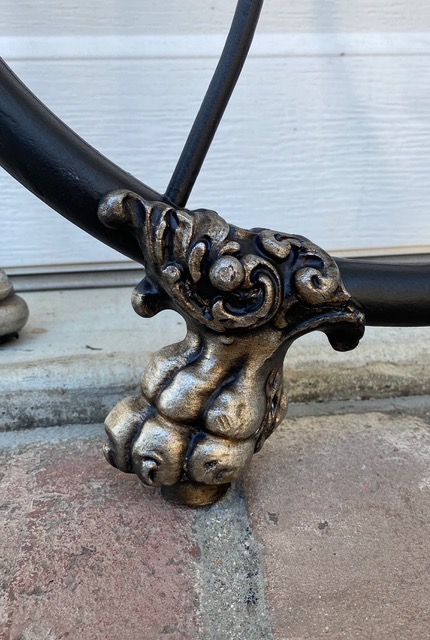 Victorian design embraced inspiration from the natural world.
Leaves, flowers, vines, birds, lions, and other animals frequently appeared throughout architecture and furniture. Claw feet fitted perfectly into this design philosophy by bringing symbolic elements of wildlife into the home.
Rather than appearing intimidating, these animal-inspired details represented harmony between nature, beauty, and strength.
Practical Benefits as Well
While symbolism played an important role, claw feet also offered practical advantages.
Many Victorian homes featured timber floorboards, uneven stone surfaces, or decorative rugs. Raised feet helped keep iron bedsteads slightly off the floor, making them easier to clean beneath while protecting the frame from damp conditions.
The broader base also helped distribute the considerable weight of heavy cast iron bedsteads, contributing to their remarkable stability—one reason so many Victorian beds have survived for well over a century.
Why Claw Feet Remain Popular Today
Even in modern homes, claw-foot iron beds continue to capture people’s imagination.
Their elegant proportions evoke the romance of the Victorian era while adding authentic character that simpler modern designs often lack. Whether paired with traditional décor or used as a striking contrast in a contemporary bedroom, claw feet immediately suggest heritage, craftsmanship, and timeless style.
Many high-quality reproduction iron beds faithfully preserve these original details, allowing homeowners to enjoy Victorian elegance without compromising on modern comfort.
Choosing a Victorian-Style Iron Bed
If you’re considering an iron bed for your home, look beyond the headboard and footboard. The smaller details—such as the castings, joints, and decorative claw feet—often reveal the quality of the craftsmanship.
A well-made iron bed should combine solid construction with graceful design, creating a piece that is both beautiful and built to last for decades.
Just as the Victorians intended, these beds continue to represent strength, elegance, and enduring quality.
Final Thoughts
The claw feet found on Victorian antique iron beds were never merely ornamental. They symbolized protection, strength, prestige, and the exceptional craftsmanship that defined the Victorian age.
More than 150 years later, these distinctive details continue to fascinate collectors, interior designers, and homeowners alike. They remind us that great furniture tells a story—one where beauty and meaning exist together in every carefully crafted detail.
At Cathouse Beds, we believe the enduring appeal of Victorian-inspired iron beds lies not only in their elegant appearance but also in the rich history and symbolism behind every design element. Choosing a bed with traditional claw feet is a wonderful way to bring a touch of Victorian heritage into a modern home while investing in a style that never goes out of fashion.