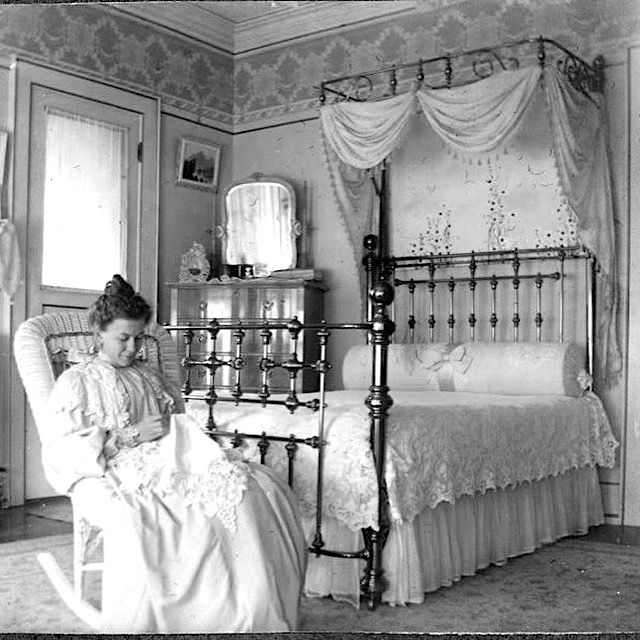
 For well over a century, both iron beds and brass beds have occupied a special place in American homes. From Victorian mansions to country farmhouses, these beautiful pieces of furniture have survived generations because of their durability, craftsmanship, and timeless appeal.
Yet many people shopping for an antique bed often wonder: What’s the difference between an iron bed and a brass bed? While the two styles may appear similar at first glance, the truth is that they are constructed very differently and offer distinct advantages.
Understanding those differences can help you choose the bed that’s right for your home—and may also explain why antique iron beds remain so highly sought after today.
The Biggest Surprise: Most Brass Beds Aren’t Solid Brass
One of the most common misconceptions about brass beds is that they are made entirely of brass. In reality, most antique brass beds are constructed using steel or iron tubing that is wrapped or covered with thin brass sheeting.
Why?
Because brass, while attractive, lacks the structural strength needed for large furniture components. The long vertical posts and horizontal tubes that make up a headboard or footboard require rigidity and strength. To achieve this, manufacturers typically used iron or steel tubing as the structural core and then covered it with brass to create the rich golden appearance buyers desired.
Even on many brass beds, critical structural components such as side rails, rail hooks, and connecting hardware are made of cast iron or steel rather than brass.
In other words, beneath the shine of many brass beds lies a framework of iron.
Iron Beds Are Proudly What They Appear To Be
Unlike brass beds, antique iron beds make no attempt to disguise their construction.
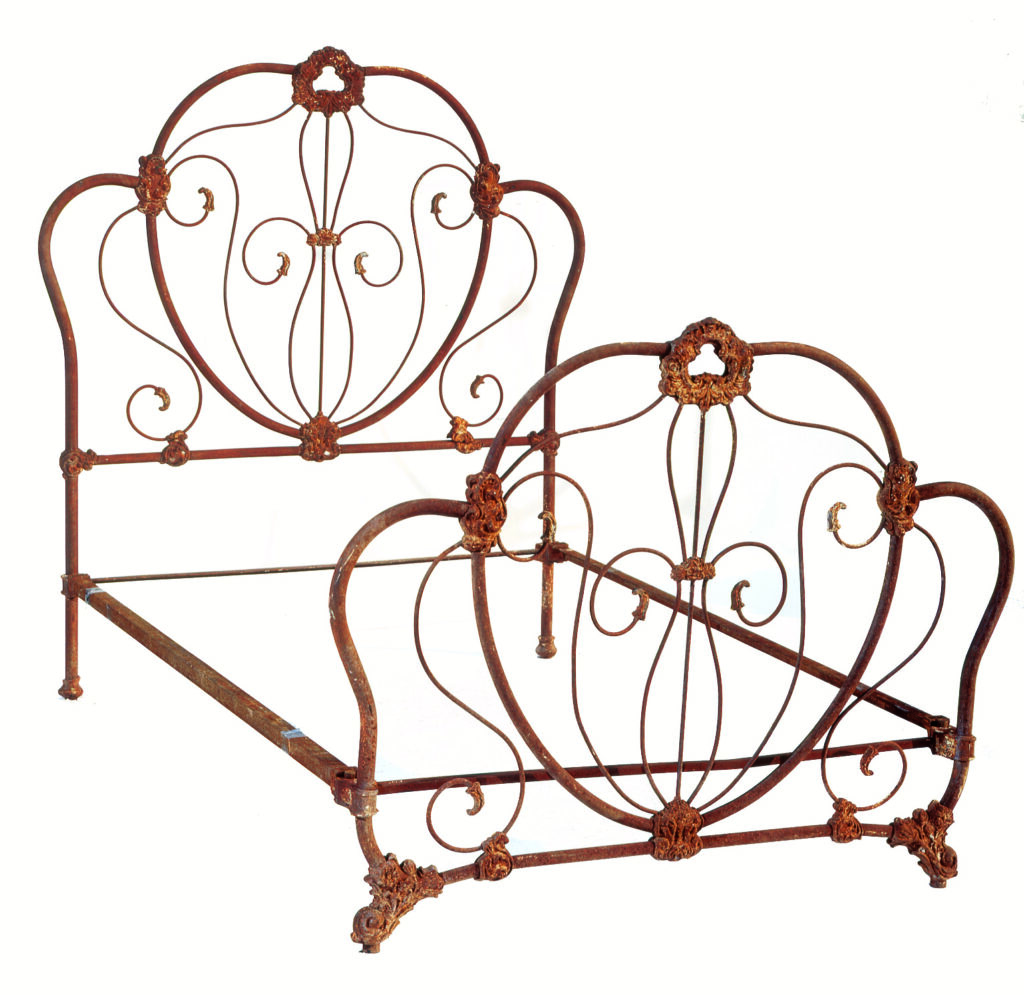
Their beauty comes from intricate designs, elegant proportions, and remarkable castings rather than reflective surfaces. Manufacturers used cast iron to create decorative finials, scrollwork, rosettes, and ornamental details that would have been difficult—or prohibitively expensive—to reproduce in brass.
The result is furniture that possesses a distinctive character and architectural presence.
Many collectors appreciate antique iron beds because their appeal comes from craftsmanship and design rather than ornamentation alone. Whether painted in classic white, black, cream, or custom finishes, iron beds complement an extraordinary range of decorating styles, from Victorian and Cottage to Farmhouse and Industrial.
Why Brass Beds Often Develop Noise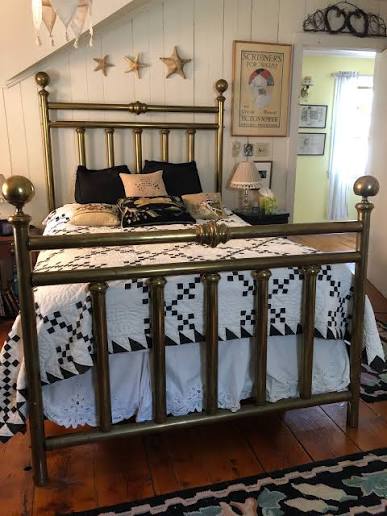
Another significant difference between brass beds and iron beds becomes apparent after decades of use.
Many brass beds rely on mechanical fasteners to connect various brass components. Decorative brass collars, balls, and tubing sections are frequently secured with screws or threaded fittings. Over years of use, movement, shifting, and normal wear can cause these connections to loosen.
The result is often the familiar squeak or rattle that many owners associate with older brass beds.
While proper restoration can certainly reduce these issues, the reality is that any connection relying on threaded hardware has the potential to loosen over time.
Why Antique Iron Beds Are Exceptionally Quiet
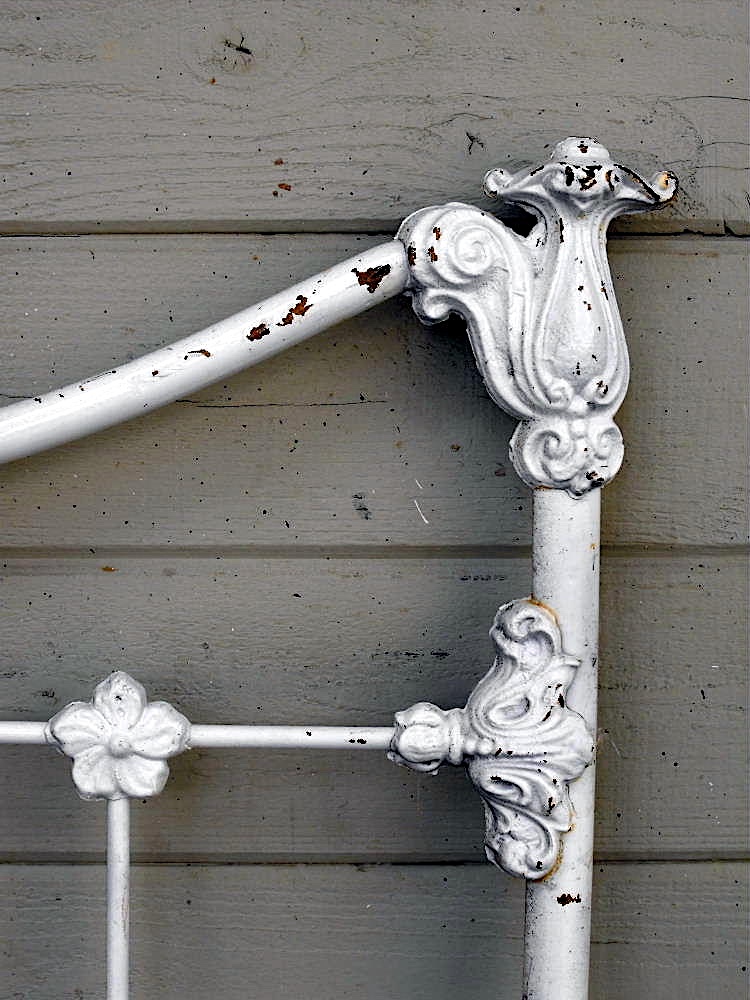 One reason antique iron beds have earned a reputation for solidity is the way they were assembled.
The intersections where rods, tubes, and decorative components meet were often secured using molten iron during the manufacturing process. Once cooled, these joints became permanently fixed. Unlike threaded fittings, they were not designed to move, shift, or loosen.
This construction method created an exceptionally rigid frame capable of withstanding generations of use.
When properly restored and fitted with quality side rails, antique iron beds are often remarkably quiet because there are fewer opportunities for movement between components.
Maintenance Requirements
Brass beds and iron beds also differ significantly in maintenance.
Brass naturally tarnishes as it reacts with air and moisture. Owners who wish to maintain a bright, mirror-like finish often find themselves polishing brass periodically to preserve its luster.
Some people enjoy this ritual and appreciate the warm glow of freshly polished brass.
Others prefer the simplicity of antique iron beds, which generally require little more than occasional dusting and cleaning. Modern finishes applied during professional restoration can keep an iron bed looking beautiful for many years with minimal maintenance.
Style Differences
The visual distinction between the two bed styles is largely a matter of personal preference.
Brass beds tend to create a formal, elegant appearance. Their reflective surfaces draw attention and can become a focal point within a room.
Iron beds, by contrast, offer greater design versatility. They can be sophisticated, rustic, romantic, understated, or dramatic depending on their design and finish.
This flexibility is one reason antique iron beds continue to appeal to homeowners, designers, and collectors alike. They fit comfortably into both traditional and contemporary interiors without appearing out of place.
Durability Across Generation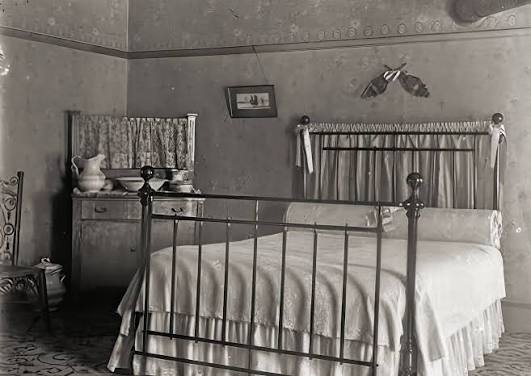
Both brass beds and iron beds have demonstrated remarkable longevity. After all, many examples have survived for more than a century.
However, when evaluating structural durability alone, iron has always been the workhorse of the furniture industry. Its strength allowed manufacturers to create beds capable of enduring decades of daily use while maintaining their integrity.
The survival of so many antique iron beds today is a testament to both the quality of their construction and the durability of the material itself.
Which Is Better?
The answer depends on what you value most.
If you’re drawn to a bright, polished appearance and enjoy the elegance of golden metallic finishes, a brass bed may be the perfect choice.
If you appreciate craftsmanship, structural integrity, intricate castings, low maintenance, and timeless design, antique iron beds offer advantages that are difficult to match.
Perhaps that’s why so many original iron beds remain treasured family heirlooms more than a hundred years after they were first manufactured.
Their enduring appeal isn’t based on shine or ornamentation alone. It’s built on exceptional craftsmanship, thoughtful design, and a level of durability that has stood the test of time.
At Cathouse Beds, we’ve spent decades restoring and preserving antique iron beds because we believe they represent some of the finest examples of American furniture ever produced. Their beauty, strength, and character continue to prove that true quality never goes out of style.