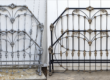
Craftsmanship and Materials
When people first begin shopping for antique iron beds, one of the most common questions they ask is:
“Why are some antique iron beds worth so much more than others?”
The answer can be narrowed down to two very important factors:
Craftsmanship and Materials.
While age certainly contributes to the desirability of antique iron beds, age alone does not create value. The true value lies in how these remarkable beds were made and the quality of the materials used to build them more than 100 to 150 years ago.
Today, many reproduction iron beds attempt to recreate the appearance of Victorian-era iron beds. At first glance they may look similar, but upon closer inspection the differences become obvious. The craftsmanship, durability, and materials found in original antique iron beds are almost impossible to duplicate economically in today’s manufacturing environment.
In many ways, these beautiful iron beds are a testament to an era when craftsmen took enormous pride in their work and built products intended to last a lifetime—or perhaps several lifetimes.
A Different Era Of Manufacturing
Most original antique iron beds were produced during the second half of the 19th century and the early years of the 20th century.
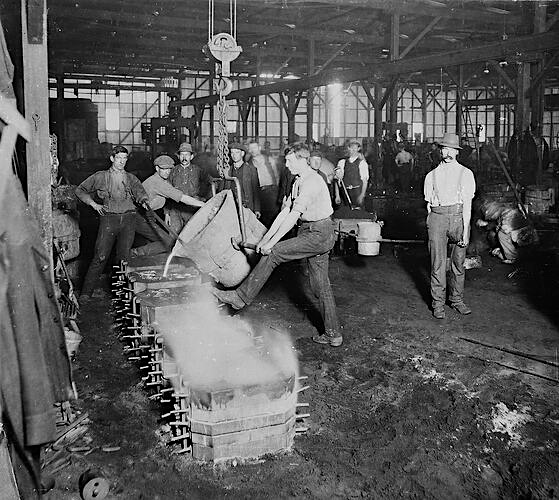
During this period, America was filled with small independently owned foundries. These foundries competed against one another not only on price but also on design, innovation, and quality.
Unlike today’s mass-production facilities, many of these foundries employed highly skilled artisans who devoted countless hours to developing decorative castings, elegant curves, and intricate designs that transformed ordinary iron beds into works of art.
One wonders if those craftsmen ever imagined that people would still be sleeping in their creations 150 years later.
It seems unlikely.
Yet here we are today, still admiring and collecting these beautiful antique iron beds, many of which remain in remarkably good condition despite their age.
That longevity is no accident.
It is the direct result of superior craftsmanship and superior materials.
Craftsmanship Was Everything
In the Victorian era, reputation mattered.
A foundry’s success often depended upon the quality of the products leaving its doors.
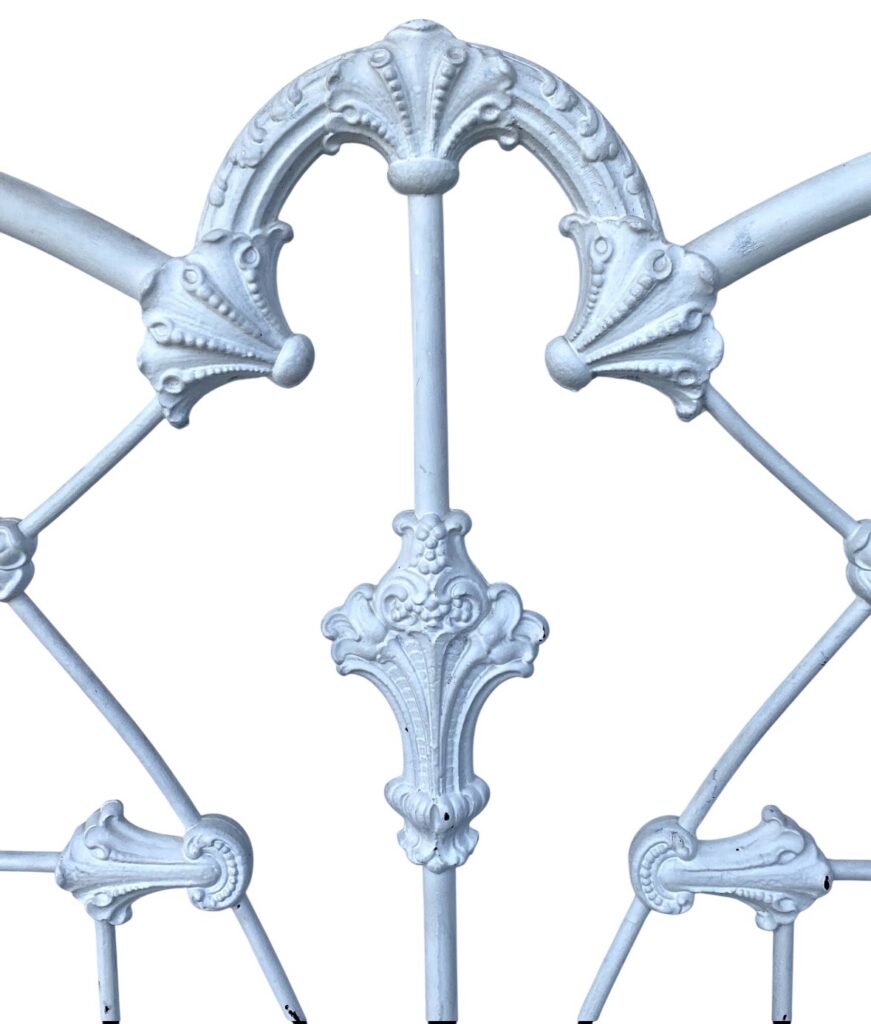
Designers and craftsmen spent countless hours creating decorative castings that featured intricate details and symbolic motifs. Popular designs included:
- Grapes and grape clusters
- Horseshoes
- Four-leaf clovers
- Butterflies
- Crosses
- Lion heads
- Floral patterns
- Scrollwork
- Art Nouveau-inspired flowing lines
These decorative castings were not merely ornaments.
They were often structural components of the bed itself.
Many of the castings served dual purposes, providing both beauty and strength.
Creating these pieces required skilled pattern makers, mold makers, iron workers, and finishers. Every step demanded attention to detail.
The resulting product reflected the pride of the people who made it.
Today, much of that craftsmanship has become economically impractical. Modern manufacturing focuses on efficiency, speed, and cost reduction.
As a result, many reproduction iron beds simply cannot match the artistry found in original antique iron beds.
The Importance Of Thick-Wall Tubing
One of the most overlooked differences between antique iron beds and reproduction iron beds is the thickness of the tubing.
Victorian-era manufacturers commonly used heavy-gauge thick-wall steel and iron tubing.
These materials were selected because durability was expected.
The bed was not intended to last ten or twenty years.
It was intended to last generations.
Pick up an original antique iron bed and you immediately notice the difference.
The weight alone tells the story.
Modern reproduction iron beds frequently utilize thinner-wall tubing because it is less expensive, easier to manufacture, and less costly to ship.
While this approach reduces production costs, it also reduces durability and structural integrity.
The substantial tubing found in antique iron beds is one of the primary reasons they remain solid and functional more than a century after they were first assembled.
Why Cast Iron Matters
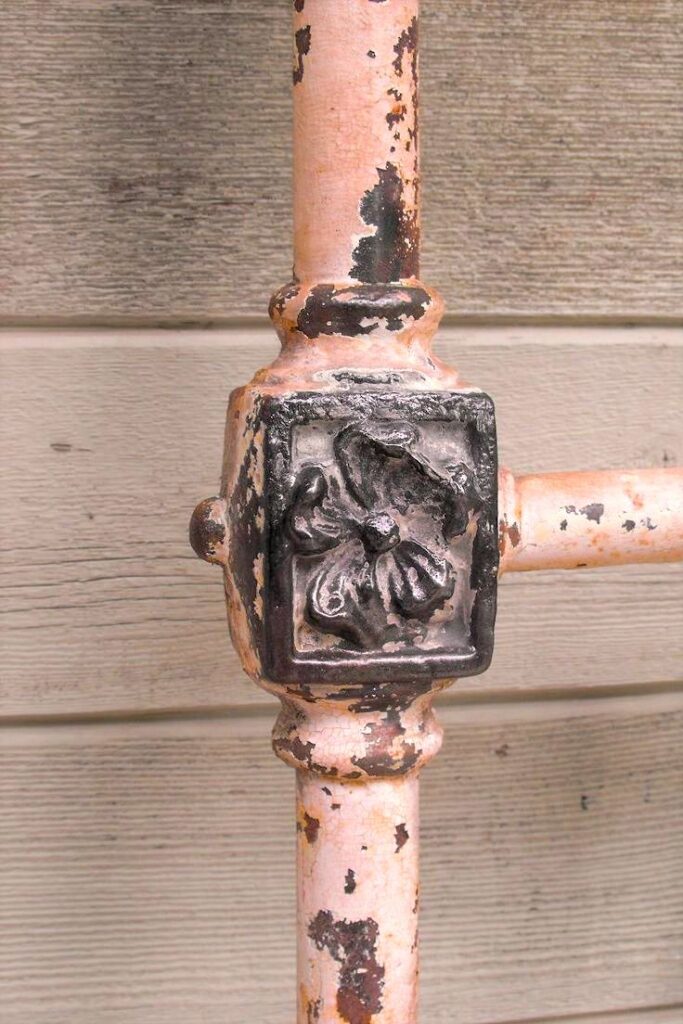
Perhaps the greatest difference between original antique iron beds and many modern reproductions is found in the castings.
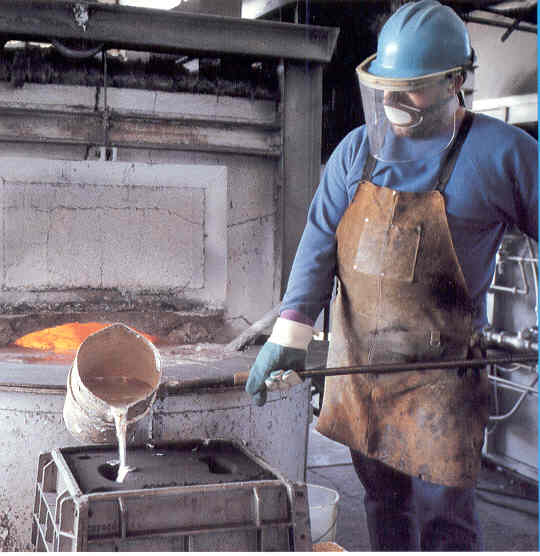
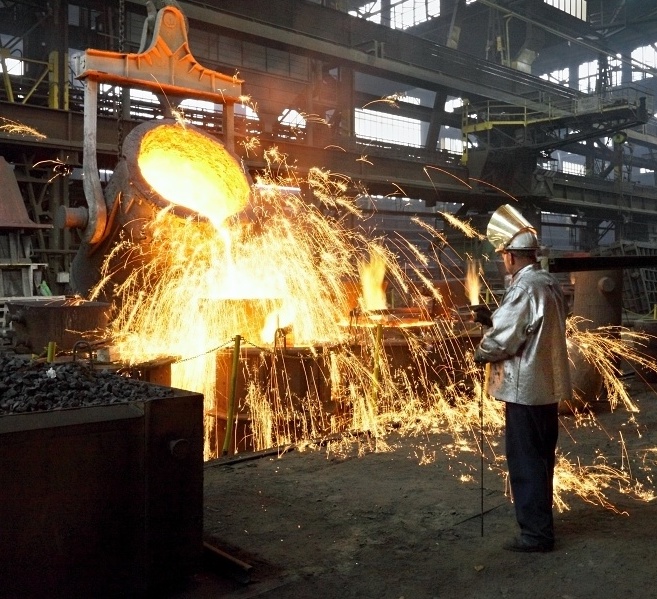
The decorative castings used on Victorian iron beds were typically produced from molten cast iron.
Creating these castings was a labor-intensive process.
Iron was heated beyond its melting point of approximately 1,538°C (2,800°F) and poured into carefully prepared molds.
Once cooled, the resulting castings became incredibly durable.
These cast iron components could withstand decades of use while retaining their original shape and definition.
The crisp details visible on many antique iron bed castings today are the same details that existed when they left the foundry more than 100 years ago.
That is remarkable.
Modern Reproductions Often Use Aluminum
Many reproduction iron beds manufactured today use aluminum castings rather than cast iron.
There is a simple reason.
Aluminum is less expensive and easier to work with.
Aluminum melts at approximately 660°C (1,220°F), far below the temperature required to melt cast iron.
This lower melting point reduces manufacturing costs and energy consumption.
Unfortunately, it also produces a casting that lacks the density, hardness, and durability of traditional cast iron.
For decorative purposes aluminum can be effective.
For longevity, however, it cannot truly compare.
One practical example becomes apparent during restoration.
An original cast iron casting can often be sandblasted multiple times over the course of its life without losing its definition.
The decorative details remain sharp and well defined.
Aluminum castings are much softer.
After repeated abrasive cleaning, they can begin losing detail and crispness.
The difference becomes increasingly apparent as the years pass.
Why Antique Iron Beds Have Survived
When people ask why antique iron beds are still around today, the answer is surprisingly simple.
They were built to survive.
The combination of thick-wall tubing, cast iron components, and exceptional craftsmanship created a product that could endure generations of use.
Many antique iron beds have survived:
- Multiple moves
- Changing decorating styles
- Economic depressions
- World wars
- Natural disasters
- Countless family homes
Yet they continue to perform the same function today that they performed when they were first manufactured.
That kind of longevity is extremely rare in modern furniture.
Collectors Understand The Difference
Collectors and knowledgeable interior designers quickly learn to distinguish original antique iron beds from modern reproductions.
They look for:
- Heavy construction
- Original cast iron castings
- https://www.cathousebeds.com/antique-iron-beds-frame-designs/castings/
- Quality joinery
- Crisp decorative details
- Superior proportions
- Authentic age and patina
These characteristics contribute significantly to value.
The more original craftsmanship and material integrity that remains, the more desirable the bed often becomes.
This is one reason why authentic antique iron beds continue to appreciate in value while most modern furniture depreciates almost immediately after purchase.
Sustainability Is An Unexpected Bonus
Another factor increasing demand for antique iron beds is sustainability.
Long before “green living” became fashionable, Victorian craftsmen were creating furniture that would remain useful for generations.
An antique iron bed that has already lasted 150 years requires no new mining, no new manufacturing, and no new industrial production.
Instead of ending up in a landfill, it continues serving its original purpose.
For environmentally conscious homeowners, this represents one of the most sustainable furniture choices available today.
The Real Reason Antique Iron Beds Hold Their Value
When all is said and done, the value of antique iron beds comes down to two things:
1. Craftsmanship
The extraordinary skill, pride, artistry, and attention to detail that Victorian-era craftsmen invested in every bed they created.
2. Materials
The use of thick-wall tubing, genuine cast iron castings, and superior construction methods that were designed to withstand generations of use.
Together, these two factors created furniture that has already stood the test of time.
More than 150 years later, many of these antique iron beds remain just as functional, beautiful, and desirable as the day they left the foundry.
That is why collectors seek them.
That is why designers specify them.
And that is why authentic antique iron beds continue to hold—and often increase—their value.
After all, when something is built with exceptional craftsmanship and exceptional materials, time becomes its greatest ally rather than its enemy.
And few pieces of furniture demonstrate that truth better than a genuine antique iron bed.