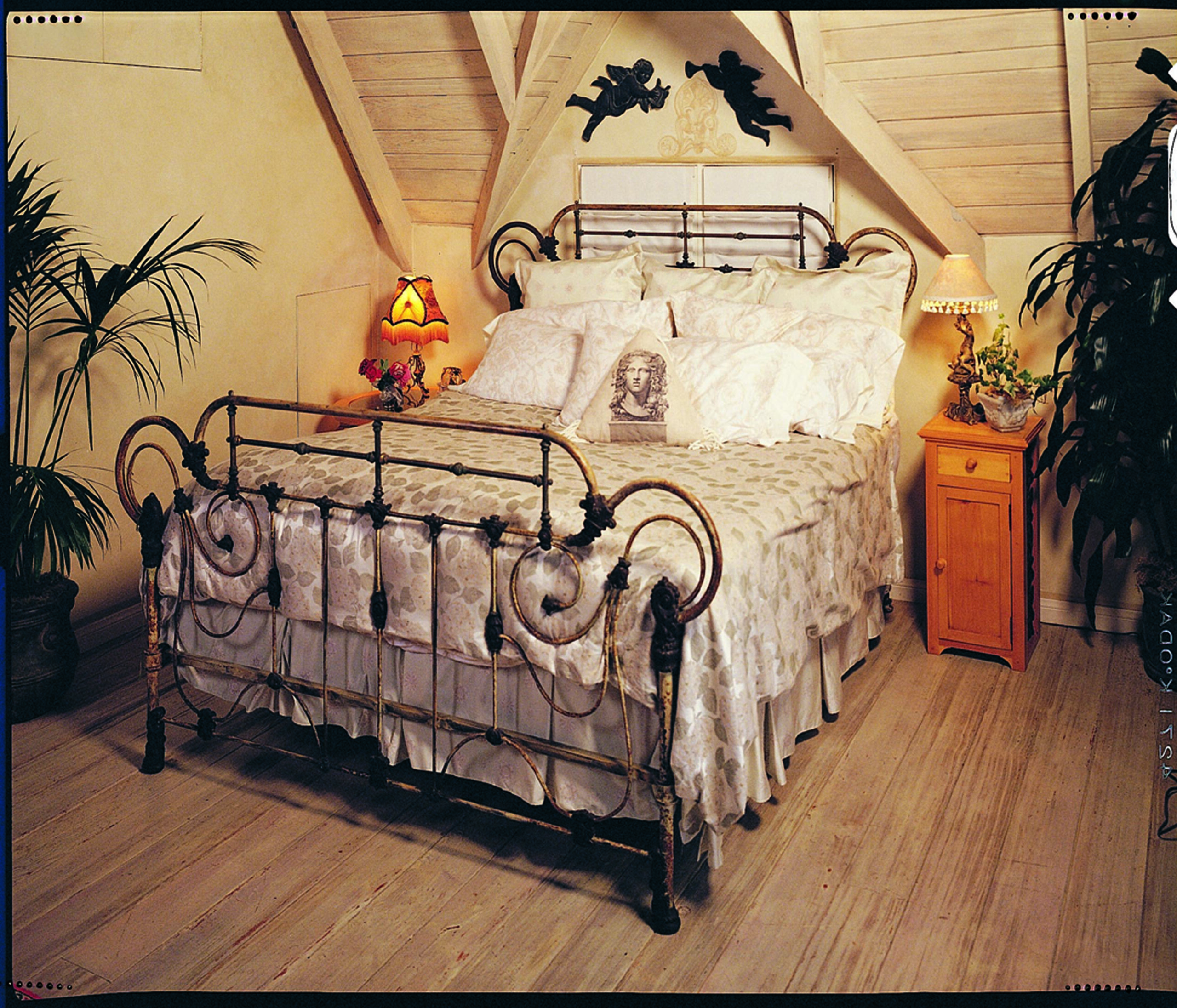
Walk into a room furnished with a true antique iron beds , and you feel it immediately. There’s weight to it—not just physical, but historical. This isn’t furniture that was made to follow a trend or fill a catalog page. These are iron beds that have lived. They have stood quietly while the world changed around them.
At Cathouse Beds, every antique iron bed we offer has already survived a century—or two—of human history. These beds were there long before flat-pack furniture, disposable décor, or factory reproductions. They were present during moments that shaped nations, cultures, and lives.
Some antiques collect dust.
Ours collect stories.
When the West Was Still Wild
In the mid to late 1800s, the American West was raw and untamed. Towns sprang up overnight. Law was often uncertain. Survival depended on grit, luck, and endurance.
During the age of Billy the Kid, Doc Holliday, and frontier lawmen, iron beds became a practical necessity. Wooden bed frames cracked in dry climates and attracted pests. An iron bed was sturdy, sanitary, and dependable—qualities valued by settlers, ranchers, and travelers alike.
Many antique iron beds from this period stood in boarding houses, frontier homes, and rooms above saloons. It’s easy to imagine an outlaw collapsing onto an iron bed after days on horseback, or a homesteader resting sore muscles before another dawn of hard labor.
These beds didn’t just support bodies—they supported lives lived on the edge of history.
Before the World Took Flight
In 1903, Orville and Wilbur Wright stood at Kitty Hawk and changed the course of human history. The airplane was born—but the night before that first flight, the Wright brothers slept like everyone else.
And what did people sleep on at the turn of the 20th century?
Iron beds.
At the time, the iron bed represented modern thinking: hygienic, strong, and engineered to last. The same qualities that allowed humanity to rise into the air were reflected in the furniture of the era.
When you own an antique iron bed from this period, you’re owning a piece of the world that existed just before flight reshaped civilization.
Lincoln, Gettysburg, and a Nation at War
In 1863, Abraham Lincoln delivered the Gettysburg Address, redefining freedom, sacrifice, and national purpose in fewer than three minutes. Behind the scenes of that moment were millions of ordinary lives shaped by the Civil War.
Antique iron beds were everywhere during this era—used in private homes, military quarters, and field hospitals. Wounded soldiers recovered on iron beds like these. Nurses worked beside them. Families waited for news at home, sitting on their beds late into the night.
An antique iron bed from the Civil War era carries echoes of resilience, loss, and hope. These are not decorative relics—they are survivors.
The Industrial Revolution & the Rise of Iron Beds
As the Industrial Revolution reshaped society, iron became the backbone of progress. Railroads, bridges, factories—and furniture—were built to last.
Iron beds replaced wooden frames as the gold standard of quality. They were cleaner, stronger, and far more durable. Middle-class families embraced them. Hotels furnished entire floors with iron beds. Boarding houses relied on them year after year.
Many antique iron beds we offer today date back to this period, when craftsmanship mattered more than speed and longevity mattered more than cost.
These iron beds weren’t meant to be replaced every few years. They were meant to last a lifetime—and then another.
Elegance Before the Titanic
In 1912, the Titanic set sail, embodying confidence, luxury, and modern design. Homes of the era reflected that same mindset, and iron beds evolved accordingly.
Victorian and Edwardian antique iron beds featured ornate castings, graceful curves, and detailed headboards. These were beds designed to be seen as well as used—functional art made of iron.
Though the Titanic was lost, the craftsmanship of that era remains. A genuine antique iron bed from the early 20th century still stands strong today, a testament to a time when beauty and durability went hand in hand.
World Wars and the Strength of Iron
Iron beds witnessed World War I and World War II firsthand. They filled barracks and hospitals. They supported soldiers home on leave. They stood in bedrooms where families listened to radio broadcasts and waited for loved ones to return.
By the time of the Second World War, many antique iron beds were already decades old—and still in daily use. That kind of longevity is impossible to replicate with modern furniture.
An iron bed doesn’t just age—it endures.
What Reproductions Will Never Have
A newly made bed, no matter how carefully styled, has no past.
It hasn’t been present for wars or inventions.
It hasn’t supported generations of sleepers.
It hasn’t earned its imperfections.
A reproduction iron bed may look old—but it has no story.
An authentic antique iron bed carries more than iron and paint. It carries time. Every weld, curve, and casting reflects a human hand, not an assembly line.
At Cathouse Beds, we don’t create “vintage-inspired” furniture. We preserve and restore real iron beds that have already proven their worth.
Why Antique Iron Beds Matter Today
In an age of disposable goods, choosing an antique iron bed is a conscious decision. It’s a rejection of throwaway culture and a return to permanence.
When you place one of our iron beds in your home, you’re investing in:
-
Sustainability
-
Authentic craftsmanship
-
History you can touch
An antique iron bed doesn’t just furnish a room—it grounds it. It becomes the anchor of the space, both visually and emotionally.
Becoming Part of the Story
Every antique iron bed has lived many lives—but its story isn’t finished.
When you bring one into your home, you become part of its timeline. Your nights, your mornings, your milestones quietly join the hundreds of years that came before.
One day, someone else will wonder who slept there after you.
Some antiques collect dust.
Our antique iron beds collect stories.
And now, they’re ready to collect yours.