Canopy beds weren’t invented for romance.
No.
They were invented because medieval life was… disgusting.
Let me explain.
Today, canopy beds are associated with luxury, drama, and indulgence. They appear in glossy magazines, boutique hotels, and curated Instagram feeds. But the original purpose of canopy beds had nothing to do with beauty—and everything to do with survival.
Understanding where canopy beds came from helps us appreciate why antique iron beds, especially antique canopy iron beds, still feel so powerful in modern homes.
Medieval Living: Cold, Crowded, and Uncomfortable
Life before modern construction was harsh. Castles and manor houses were built for defense, not comfort. Thick stone walls trapped cold air. Windows were small and uncovered. Heat came from a single fireplace meant to serve an entire hall.
Sleeping arrangements were equally bleak.
The lord, his family, servants, guards, and sometimes animals all slept in the same room.
Yes—one room.
Privacy as we know it simply didn’t exist.
That’s where canopy beds came in.
 The Three Practical Reasons Canopy Beds Were Invented
1. Warmth: The First Climate Control
Early canopy beds created a tent-like enclosure that trapped body heat. Heavy curtains made of wool or linen blocked drafts and retained warmth in otherwise freezing rooms.
Before central heating, this was revolutionary.
Without a canopy, sleeping through the night in winter could be dangerous. With one, the bed became a protected micro-environment—an early form of climate control.
2. Privacy: A Fabric Wall Between You and Everyone Else
Curtains weren’t decorative flourishes. They were boundaries.
Closing the curtains on a canopy bed signaled privacy in a space where privacy was rare. It meant: don’t watch, don’t listen, don’t comment.
In crowded medieval households, canopy beds provided dignity as much as comfort.
3. Protection: Yes, From Falling Rats
This is the part most people don’t expect.
Roofs were constructed from wood, clay, straw, and stone. Over time, debris fell. Dust, insects, and rodents ran through rafters overhead.
The solid canopy top wasn’t a luxury—it was protection.
That overhead structure prevented debris—and rats—from falling onto sleeping occupants.
Romantic? No.
Effective? Absolutely.
From Survival to Status Symbol
As architecture improved and private bedrooms became common, canopy beds evolved. They stopped being essential and started becoming symbolic.
By the 17th and 18th centuries, canopy beds were statements of wealth and craftsmanship. The better the materials, the more elaborate the design, the higher the status.
This evolution paved the way for one of the most important developments in bed history: iron.
The Rise of Iron Beds in the 19th Century
The 1800s marked a turning point. Wooden beds had long been problematic—they warped, cracked, and harbored insects. Enter iron beds.
Iron beds were stronger, cleaner, and far more durable. They didn’t absorb moisture or odors. They resisted pests. They lasted.
Hospitals adopted iron beds first because they were hygienic. Homes followed quickly.
By the Victorian era, antique iron beds had become the standard for quality, health, and modern living.
Why Antique Iron Beds Are Superior to Modern Beds
Here’s an uncomfortable truth about most modern furniture:
It isn’t built to last.
Many contemporary iron beds are made from hollow tubing and thin metal. They’re designed for mass production, easy shipping, and short life cycles.
An antique iron bed, by contrast, was forged by hand.
These beds were:
-
Made from solid iron
-
Balanced for strength and stability
-
Designed to last generations
-
Crafted when labor mattered more than speed
A true vintage iron bed doesn’t wobble. It doesn’t squeak. It has weight, presence, and authority.
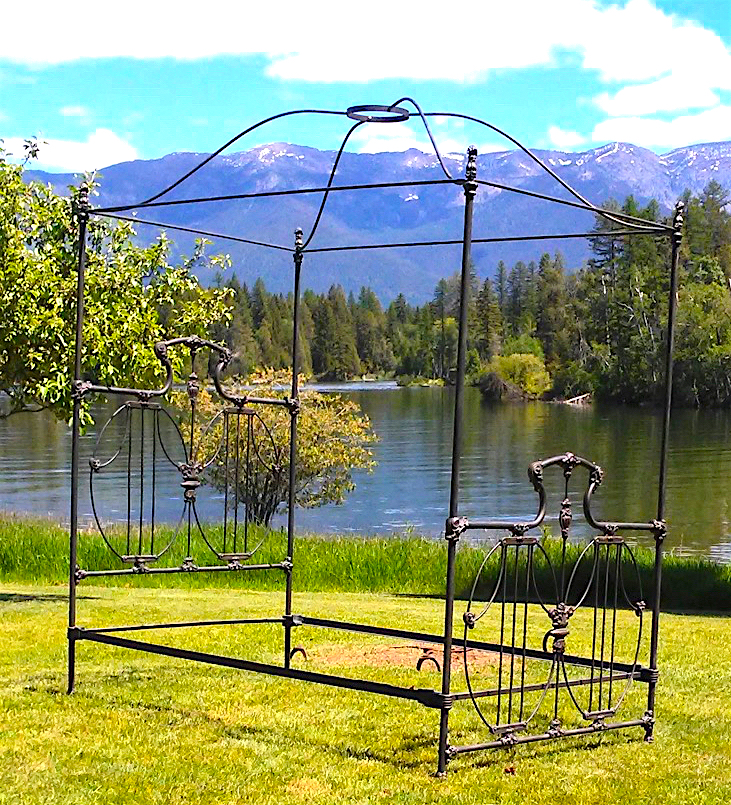 Antique Canopy Iron Beds: Function Meets Drama
While we no longer need canopy beds for warmth or protection, we still crave what they provide emotionally.
A canopy bed creates:
-
Enclosure
-
Drama
-
Intimacy
-
A sense of separation from the outside world
When that structure is paired with an authentic antique iron frame, the result is unmatched.
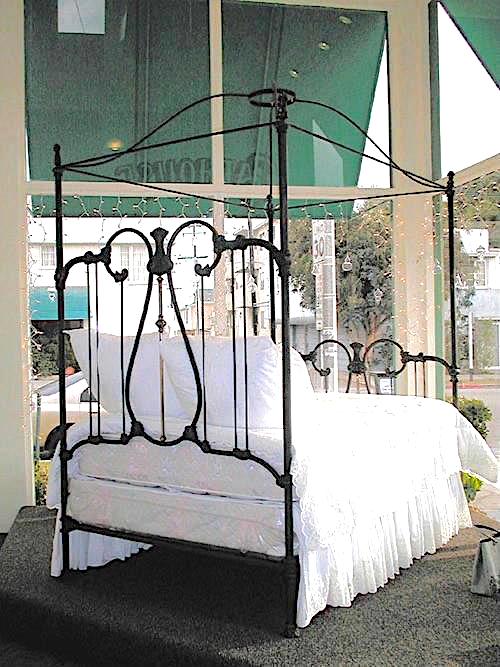
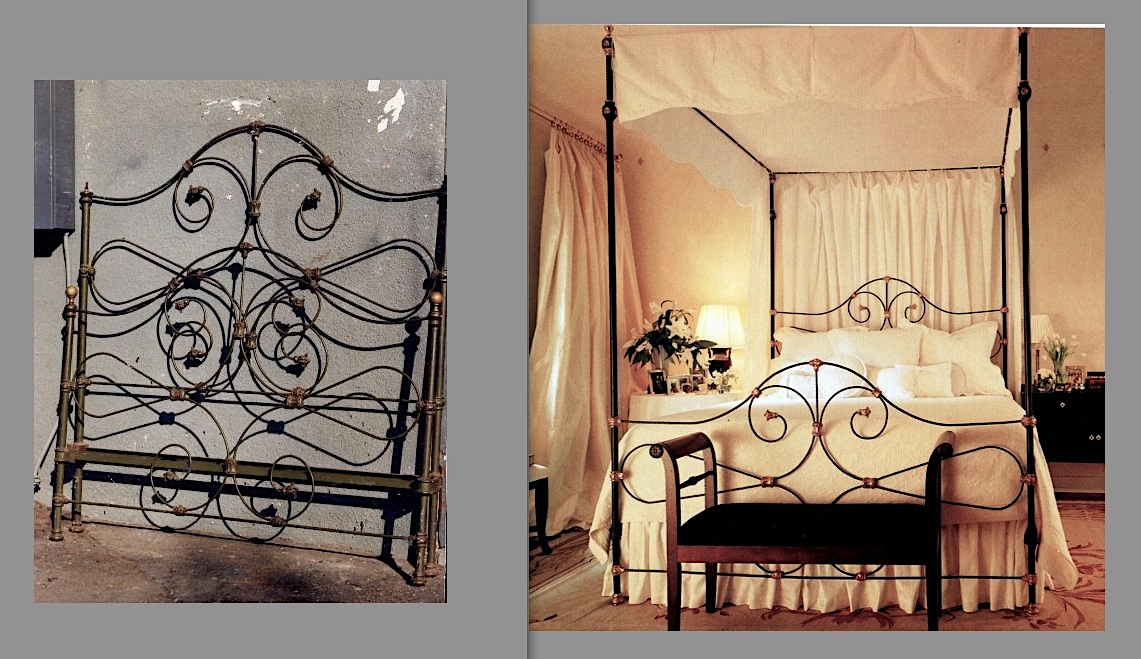
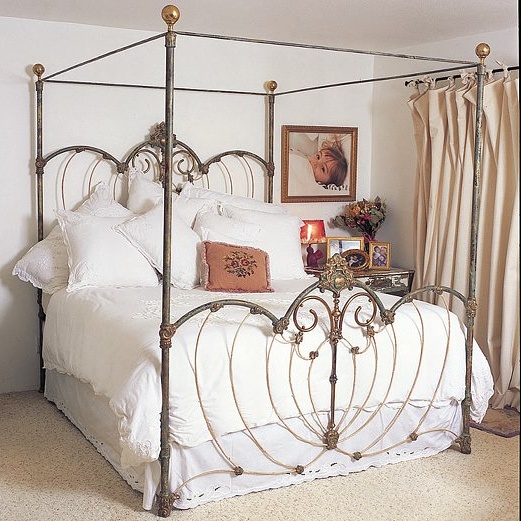
Antique canopy iron beds combine architectural presence with historical authenticity. They anchor a room without overpowering it. They feel intentional, not trendy.
Unlike modern reproductions, an antique canopy iron bed carries real history—designs that have already proven their staying power over centuries.
Why Authentic Iron Beds Matter
Anyone can buy a “vintage-style” iron bed.
But style isn’t history.
A real antique iron bed has survived industrial revolutions, world wars, and generations of use. It bears the marks of hand forging, not factory shortcuts.
At Cathousebeds.com, every iron bed we offer is authentic—restored, not reinvented. These are not replicas. They are original iron beds from the 1800s, built when furniture was meant to outlive its maker.
Iron Beds in Modern Interiors
One of the greatest strengths of iron beds is their versatility.
An antique iron bed works just as beautifully in:
-
Minimalist interiors
-
Gothic or Victorian spaces
-
Modern farmhouses
-
Industrial lofts
-
Eclectic homes
Because the material is honest, iron beds don’t compete with a room—they ground it.
A vintage iron bed becomes the architectural centerpiece, allowing everything else to orbit naturally around it.
Canopy Beds Today: Beauty Without the Rats
Thankfully, canopy beds today are about beauty, not survival.
We no longer need protection from falling debris or freezing drafts. But we still want our bedrooms to feel like sanctuaries.
That’s why canopy beds—especially antique canopy iron beds—continue to captivate us.
They create rooms within rooms. They invite rest. They encourage slowness in a fast world.
Final Thoughts: Sleeping Inside History
Canopy beds weren’t born from romance.
They were born from necessity.
Antique iron beds weren’t designed to follow trends.
They were designed to endure.
When you bring an antique iron bed into your home, you’re not just buying furniture. You’re choosing craftsmanship, longevity, and authenticity over disposability.
You’re sleeping inside history.
And best of all—
No rats required.