If you’ve ever fallen in love with the timeless beauty of an antique iron bed, you’re not alone. These elegant and enduring pieces are among the most sought-after items in vintage and interior design circles today. But one of the most common questions we hear at Cathouse Beds—by far—is:
“What size is my antique iron bed?”
It sounds like a simple question, but when it comes to antique iron beds, the answer often surprises people. That’s because the beds we now call “antique” were built during a time when sleeping habits, home design, and even human proportions were quite different from what we’re used to today.
Let’s explore the world of antique iron beds—what sizes they originally came in, how they differ from modern mattress standards, and how we at Cathouse Beds can help you enjoy the comfort of today’s queen or king sizes without sacrificing a single bit of historic charm.
A Little History Behind Antique Iron Beds
Antique iron beds were first introduced in the early 1800s, becoming increasingly popular through the Victorian era and into the early 20th century. Their iron construction was more than just aesthetic—it was practical. Before this innovation, beds were made of wood, which was susceptible to pests like bedbugs and termites. Iron beds offered a cleaner, more durable, and more ornate alternative, quickly becoming a staple in well-appointed bedrooms around the world.
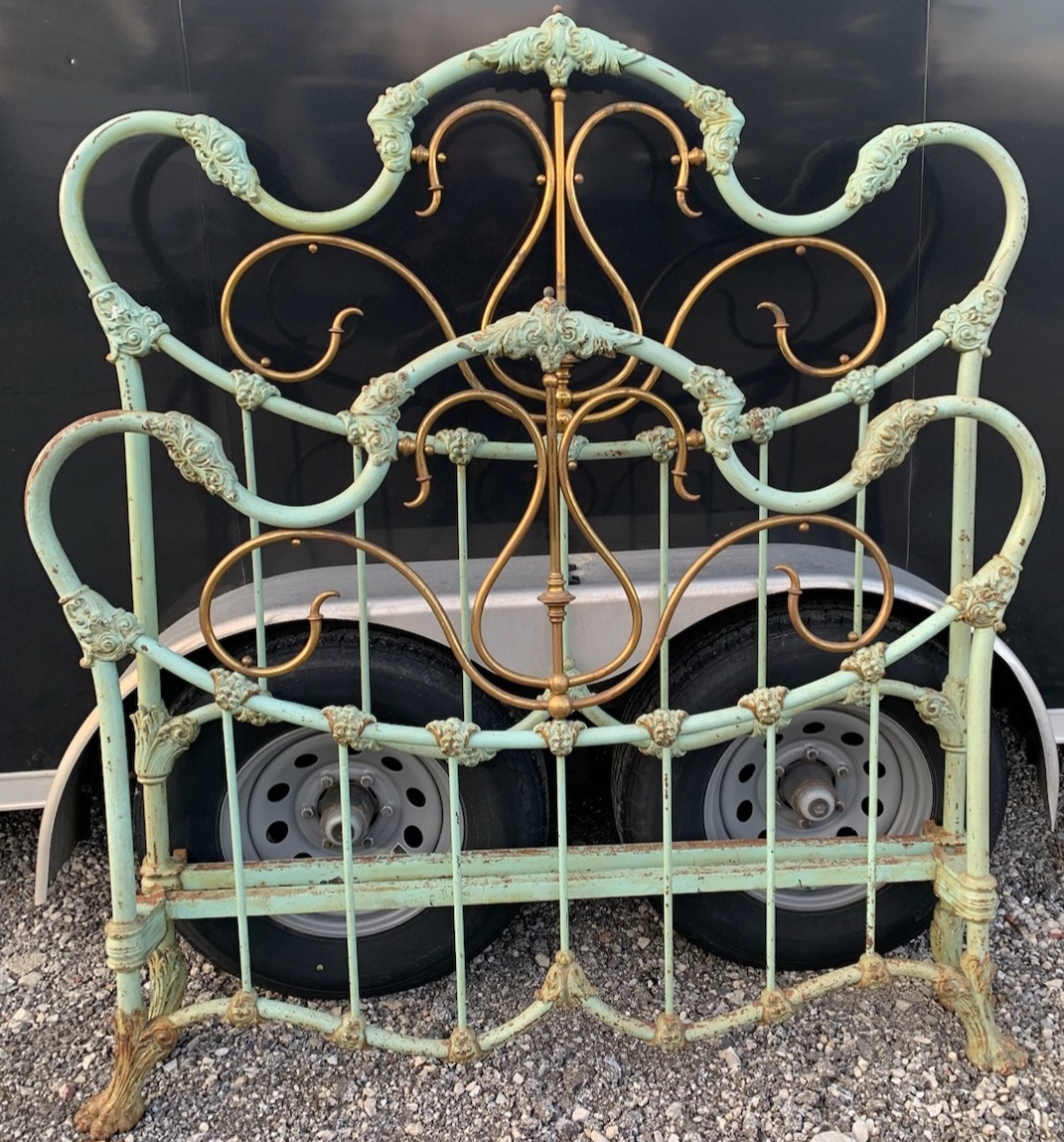
These beds were handmade, often by local blacksmiths or regional metalworkers, which means no two antique iron beds are exactly alike. Each piece was crafted with character, featuring hand-poured castings, intricate scrollwork, and decorative cast brass fittings.
However, while the craftsmanship was extraordinary, the sizing system of the 1800s was… well, a little less standardized than what we have today.
Standard Bed Sizes—Then and Now
When most people think of bed sizes today, they think in terms of Twin, Full, Queen, and King. But back in the 19th century, the concept of a king or queen-size bed simply didn’t exist.
Here’s what you were likely to find in that era:
1. Twin (Single)
-
Width: Approximately 38″ to 41″
-
Length: Usually around 75″
-
These were designed for one person—often a child, a guest, or someone who just didn’t need a lot of space to sleep. Twin iron beds were also popular in pairs for shared rooms, like siblings or boarding houses.
2. Three-Quarter (¾)
-
Width: Around 48″
-
Length: Typically 75″
-
The three-quarter size was unique to the antique iron bed era. Slightly wider than a twin but smaller than a full, it was the “in-between” option—perfect for couples of the time, who tended to sleep closer together than we do now.
3. Full (Double)
-
Width: 54″
-
Length: Around 75″
-
The full or “double” size was considered the most luxurious bed size available in the 1800s. If you owned a full-size iron bed back then, you had truly arrived.
And that was it—no queens, no kings, no California kings.
Why? Simply put, people were smaller, bedrooms were smaller, and the idea of sprawling out across a six-foot-wide mattress just didn’t exist. Families often shared one room, sometimes even one bed, and conserving space was more important than stretching out.
So, Why Don’t Antique Iron Beds Fit Modern Mattresses?
Because antique iron beds predate standardized sizing, you’ll often find that the frame dimensions don’t quite match up with modern mattress sizes.
A three-quarter antique iron bed, for example, is about six inches narrower than a modern full-size mattress. That doesn’t sound like much—but try fitting a full mattress on that frame and you’ll quickly discover it’s either too big to fit or leaves awkward gaps.
Similarly, the rails and side frames of antique iron beds were often custom-made, which means that even two “full-size” antique beds might have slightly different dimensions.
This is one of the biggest challenges (and joys) of working with antique iron beds—you’re dealing with handmade artistry from another era, not factory-standard furniture.
Converting Antique Iron Beds to Modern Sizes
Here at Cathouse Beds, we specialize in taking those original antique iron beds and adapting them for today’s comfort and convenience.
Our process allows you to enjoy the beauty of a genuine antique iron bed while accommodating modern queen and king mattresses. This way, you don’t have to choose between historical charm and a good night’s sleep—you can have both.
How It Works
-
Frame Extension: We carefully extend the width and length of your antique iron bed to match your preferred modern size (Queen, King, or California King).
-
Structural Reinforcement: Because antique iron beds weren’t originally built for the weight of larger modern mattresses, we reinforce the frame for long-lasting stability.
-
Finish Preservation: Every effort is made to preserve the original patina and craftsmanship of your bed, ensuring that what you end up with is still 100% authentic.
When we’re finished, you have the same beautiful antique iron bed—just in a size that fits your 21st-century life.
Why Antique Iron Beds Are Worth Preserving
There’s a reason collectors and designers alike are drawn to antique iron beds. Beyond their sculptural beauty, they tell a story—a story of craftsmanship, care, and timeless design.
Each antique iron bed was a statement piece, often handed down through generations. The ornate castings, flowing curves, and unique hand-forged details reflect a time when furniture wasn’t disposable—it was built to last.
Restoring and converting an antique iron bed isn’t just about making it functional again—it’s about honoring that history. It’s about giving these beautiful heirlooms a second life, one that blends seamlessly into today’s homes.
Tips for Identifying the Size of Your Antique Iron Bed
If you’re not sure what size your antique iron bed is, here are a few quick ways to find out:
-
Measure the Width Between Rails:
Measure the inside width between the side rails. If it’s around 38–41 inches, it’s a Twin. Around 48 inches, it’s a Three-Quarter. About 54 inches, it’s a Full (Double). -
Check the Length:
Most antique iron beds are about 74–75 inches long. That’s shorter than today’s standard mattresses, which tend to run 80 inches in length. -
Look at the Design:
Three-quarter antique iron beds were often slightly more ornate and wider in proportion. Twin and full beds, depending on the region and maker, may feature different casting patterns. -
Ask a Professional:
At Cathouse Beds, we’ve worked with thousands of antique iron beds, and we can often tell the size and style just from a few photos.
Antique Iron Beds in Today’s Homes
Despite being more than a century old, antique iron beds blend effortlessly into modern interiors. Their versatility is one of their greatest charms.
-
In farmhouse or cottage designs, their rustic, weathered finishes add warmth and authenticity.
-
In contemporary spaces, a restored black or white iron bed creates a stunning contrast to minimalist décor.
-
In traditional or vintage bedrooms, ornate brass finials and curved headboards bring an air of timeless romance.
And once they’re converted to queen or king size, they’re every bit as practical as they are beautiful.
Caring for Your Antique Iron Bed
Maintaining an antique iron bed doesn’t require much—but a little care goes a long way.
-
Avoid Harsh Cleaners: Stick to mild soap and water for regular cleaning.
-
Inspect for Rust: If you notice any small rust spots, treat them early before they spread.
-
Use Proper Support: Make sure your slats or box spring fit securely within the frame.
-
Protect the Finish: If your bed has a painted or patina finish, avoid abrasive materials that could scratch it.
With basic maintenance, a well-made antique iron bed can easily last another hundred years.
The Final Word: Beauty That Stands the Test of Time
The antique iron beds of the 1800s weren’t just functional—they were works of art. And while they may not have been designed for the oversized mattresses of today, their craftsmanship and charm remain unmatched.
At Cathouse Beds, we believe these heirlooms deserve to keep their place at the center of your home. Whether you’re looking to restore, resize, or simply learn more about your antique iron bed, we’re here to help.
Because while bed sizes have changed, great design never goes out of style.
Cathouse Beds
Preserving the past, one iron bed at a time.
www.cathousebeds.com