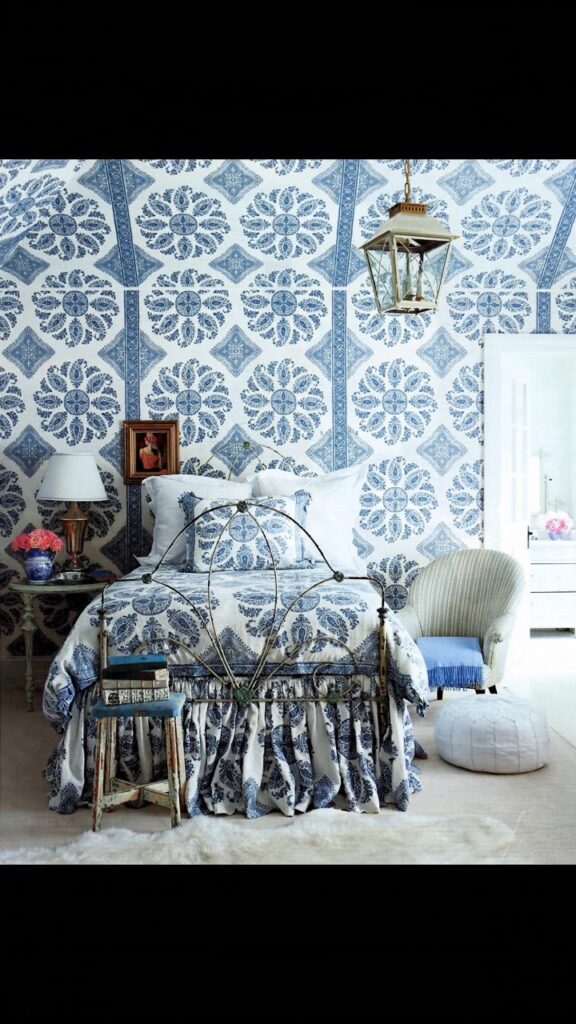
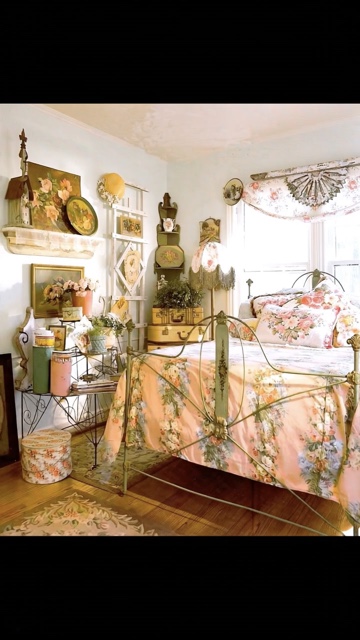
 There is something unmistakable about an authentic antique iron bed.
Not just its weight.
Not just its castings.
Not even its age.
It’s the finish.
The original color. The patina. The subtle distressing earned over 120 to 170 years. That surface tells a story that no modern paint booth can recreate.
At Cathouse Antique Iron Beds, I spend a great deal of time educating clients about the importance of preserving the original finish on antique iron beds whenever possible. And I understand the hesitation. Designers are working within color palettes. Homeowners want harmony. It’s natural to wonder whether an antique iron bed should be sandblasted and refinished to “match the room.”
But here’s the deeper truth:
Sometimes sandblasting an original finish from antique iron beds is tantamount to erasing over 150 years of history.
And we are not owners of that history.
We are caretakers.
What an Original Finish Really Represents
When you find antique iron beds with their original paint intact — even if distressed — you are looking at a surviving artifact of American craftsmanship.
Many antique iron beds were produced in the mid-to-late 1800s, often by regional foundries in Pennsylvania and the Midwest. These iron beds were hand-cast, hand-finished, and originally painted using early industrial coatings that aged in a way modern finishes simply do not.
The subtle crazing.
The softened sheen.
The gentle oxidation around casting edges.
That patina is not damage. It is time.
An antique iron bed that retains its original finish carries:
-
Authenticity
-
Historical integrity
-
Architectural continuity
-
Design depth
Once removed, it cannot be recreated.
Patina vs. Distress: Understanding the Difference
There is a profound difference between:
-
A damaged finish
-
And an original finish that has aged gracefully
Original finish on antique iron beds often includes wear along the rails, slight fading on high points, and tonal variation. Designers sometimes see this as imperfection. But in well-considered interiors, these subtle irregularities create dimension.
In high-end homes — particularly historic properties — an antique iron bed with its original finish often harmonizes more naturally with aged wood floors, plaster walls, antique rugs, and architectural moldings than a freshly powder-coated surface ever could.
Perfection can feel sterile.
Patina feels lived-in.
Patina feels established.
And in luxury interiors, established always wins.
The Designer’s Concern: “Will It Match?”
This is the most common question I hear.
“How do we ensure the antique iron bed works with the room’s color scheme?”
The answer is more nuanced than most expect.
Original finishes on antique iron beds were typically neutral: soft blacks, aged creams, muted greens, deep charcoals. Over time, these tones mellow beautifully. They rarely fight a room. Instead, they anchor it.
In fact, an antique iron bed with original finish often becomes the visual foundation of a bedroom. Designers can then layer linens, upholstery, and art around it.
When you strip and refinish iron beds, you remove that anchor and replace it with something that feels contemporary — even if the bed itself is 150 years old.
The structure remains antique.
The soul does not.
A Short Visual Example
[Insert Reel Clip #1 Here]
In this first short clip, you can show the subtle character of an antique iron bed retaining its original finish — the gentle distressing, the tonal variations, the depth of the metal.
Notice how the finish doesn’t scream for attention.
It elevates quietly.
This is what authenticity looks like.
When Sandblasting Becomes Erasure
Sandblasting has its place. There are antique iron beds that have been improperly repainted multiple times. There are iron beds suffering from heavy corrosion that require restoration.
But indiscriminately stripping every antique iron bed that passes through a workshop simply for uniformity? That is a modern impulse applied to a historic object.
Imagine taking a 19th-century oil painting and sanding it down to repaint it because the tones no longer fit your living room.
The logic doesn’t hold.
When we sandblast original finishes off antique iron beds purely to achieve a trend-driven color, we are not restoring. We are rewriting.
And history deserves more reverence than that.
We Are Caretakers, Not Just Sellers
Every authentic antique iron bed that survives today has endured:
-
Generations of use
-
Moves across cities and states
-
Changing architectural styles
-
Changing ownership
To be holding an antique iron bed with its original finish intact is, in many ways, an act of stewardship.
The metal has already lasted 150 years.
The finish has survived countless hands.
Our responsibility is not merely aesthetic. It is historical.
When a client understands this, the conversation shifts. It moves from “How do we modernize it?” to “How do we honor it?”
That shift changes everything.
The Design Advantage of Authenticity
Iron beds that retain their original finish often command more respect in serious design circles. Authenticity carries weight.
In luxury interiors — whether in Pacific Heights, the Upper East Side, or a historic estate in Connecticut — authenticity signals discernment.
A powder-coated iron bed can be beautiful.
An original-finish antique iron bed is irreplaceable.
Designers who specialize in layered, collected interiors understand that the quiet strength of antique iron beds lies in their imperfection. That slight unevenness in tone creates warmth. That subtle wear creates credibility.
Rooms designed entirely around new pieces often feel staged.
Rooms anchored by antique iron beds with preserved finish feel curated.
A Second Visual Comparison
[Insert Reel Clip #2 Here]
In this second clip, you might contrast an original-finish antique iron bed beside one that has been stripped and refinished.
Notice the difference in depth.
Notice the difference in atmosphere.
One carries memory.
The other carries uniformity.
Neither is “wrong.”
But only one still tells its original story.
Matching the Room Without Stripping the Past
When working with clients, I often suggest a different approach than refinishing.
Instead of altering the antique iron bed, adjust the surrounding elements:
-
Custom bedding tones
-
Accent pillows
-
Wall color adjustments
-
Antique rugs with complementary undertones
-
Art that bridges the palette
Often, when placed thoughtfully within the space, the original finish on iron beds enhances the room’s character rather than competing with it.
The bed becomes the quiet foundation.
And foundations should feel permanent.
The Market Reality
There is also a practical consideration.
Authentic antique iron beds retaining original finish are increasingly scarce. Many have already been stripped over the decades. The surviving examples are fewer every year.
Collectors and historically minded designers understand that originality affects long-term value.
An antique iron bed that retains its original surface integrity often carries greater historical desirability than one that has been fully refinished.
While trends shift, authenticity endures.
Respect Over Impulse
Design trends move quickly.
Charcoal today.
Cream tomorrow.
Matte black the next season.
But antique iron beds were never meant to chase trends.
They were built in an era when durability mattered more than fashion. When iron beds were constructed to last generations.
To sandblast off a 150-year-old original finish for the sake of temporary alignment with a trend risks sacrificing permanence for immediacy.
And permanence is the very thing that makes antique iron beds special.
The Philosophy Behind Cathouse Antique Iron Beds
At Cathouse Antique Iron Beds, my approach has always been rooted in respect.
Respect for craftsmanship.
Respect for age.
Respect for authenticity.
When possible, I encourage clients to consider preserving original finishes on antique iron beds. Not out of stubbornness, but out of stewardship.
We are not simply furnishing rooms.
We are preserving history.
An antique iron bed that has survived intact is a rare thing. When placed into a thoughtfully designed space, it carries with it more than visual appeal — it carries continuity.
And continuity is something modern design often lacks.
Final Thought
If you are fortunate enough to find antique iron beds that still wear their original finish — even beautifully distressed — consider what you are truly holding.
You are holding:
-
A surviving piece of 19th-century industry
-
A testament to American foundry craftsmanship
-
A surface touched by generations
-
A story still intact
Before choosing to sandblast that story away, pause.
Ask whether the room might adapt instead.
Because while we may temporarily own these antique iron beds, we do not own their history.
We are merely passing through.
And it is our responsibility to pass them forward with dignity.