If you’ve ever owned, moved, or even attempted to lift an antique iron bed, you’ve probably noticed one thing immediately: these beds are heavy. Not inconveniently heavy—but impressively heavy. There is a solidity and permanence to antique iron beds that instantly sets them apart from most modern metal beds.
This weight is not accidental, and it is certainly not a flaw. In fact, the substantial weight of antique iron beds is one of their greatest strengths and one of the clearest indicators of their quality, craftsmanship, and historical value.
At CathouseBeds.com, we specialize in authentic antique iron beds from the 1800s. Understanding why these beds were built the way they were helps explain why they have survived for over a century—and why they continue to be sought after today.
Built in an Era When Furniture Was Made to Last
Antique iron beds were produced during a time when furniture was designed with longevity as the primary goal. In the 19th century, manufacturers were not concerned with shipping efficiency, flat-pack convenience, or disposable trends. Instead, iron beds were built to endure daily use for generations.
These beds were expected to withstand constant wear, frequent household changes, and even multiple relocations. The expectation was not that a bed would be replaced in a few years, but that it would remain a permanent fixture in a family home.
This mindset is reflected in every component of an antique iron bed—especially in its weight.
The Role of Cast Iron in Antique Iron Beds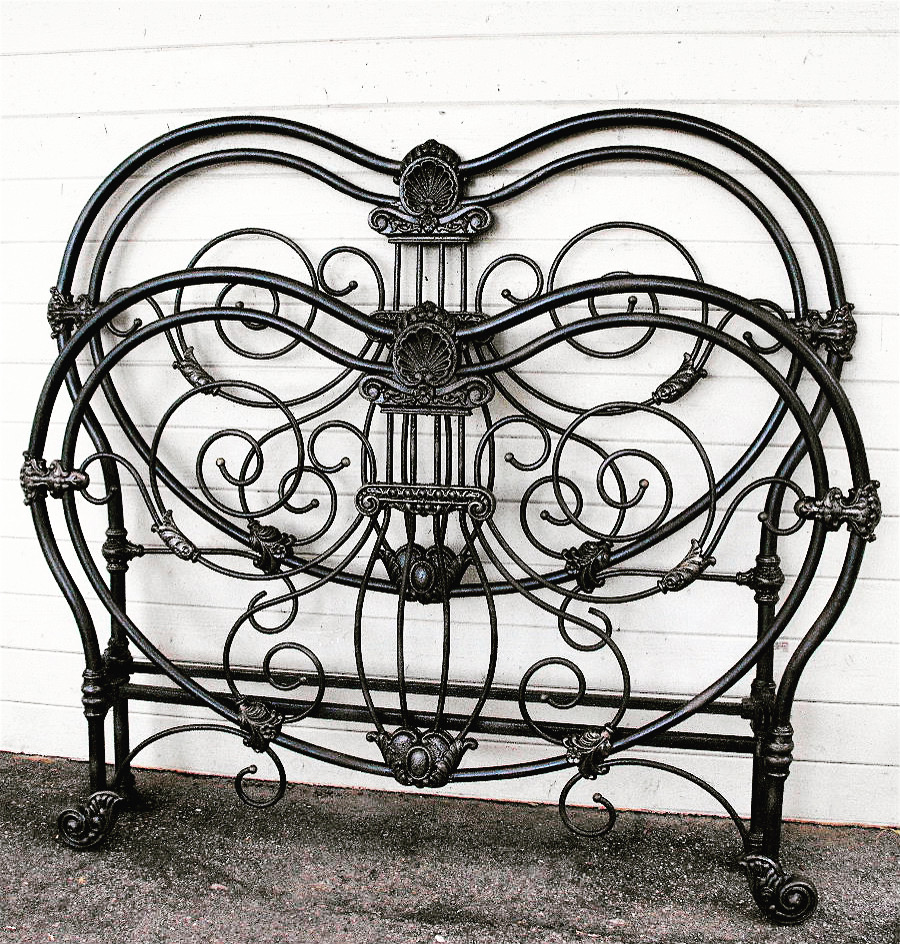
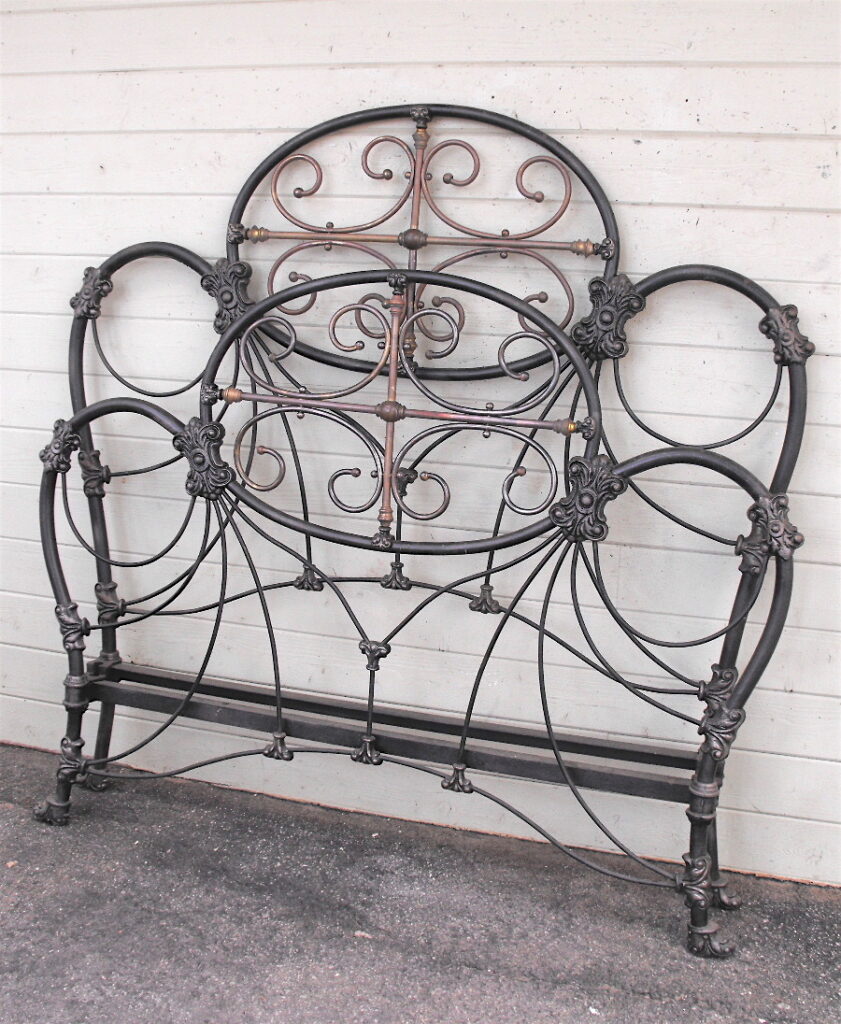
One of the main reasons antique iron beds are so heavy is the extensive use of solid cast iron. Unlike many modern metal beds, which rely on thin steel tubing or lightweight alloys, antique iron beds were constructed with substantial cast iron components.
Decorative Castings That Are Solid, Not Hollow
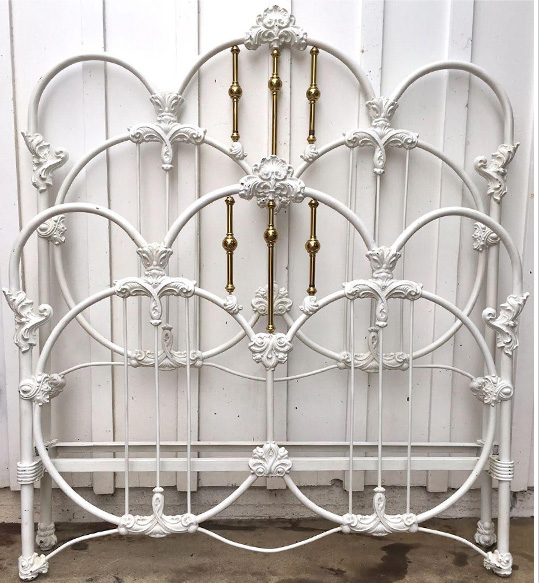
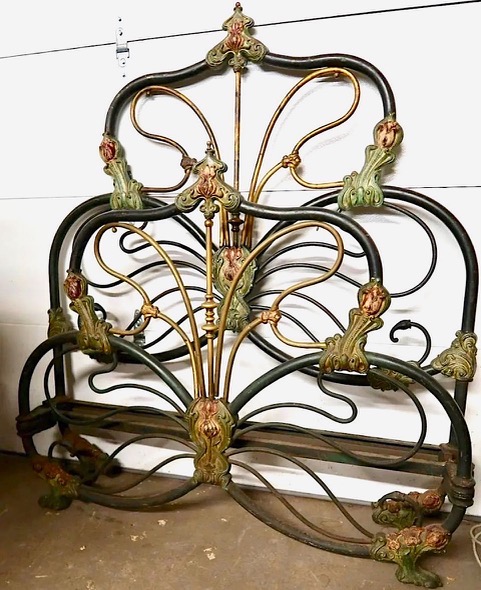
The decorative elements you see on antique iron beds—ornate joints, corner connectors, rosettes, collars, and finials—are not merely decorative shells. They are solid cast iron pieces, often weighing several pounds each.
The more elaborate the design, the more castings were required, and the heavier the bed becomes. Larger, more intricate castings add significant weight, but they also add strength, stability, and visual presence.
This is why many antique iron beds feel nearly immovable once assembled. Every casting serves both a structural and aesthetic purpose.
Thick-Wall Tubing: Strength You Can Feel
Another defining feature of antique iron beds is their thick-wall iron tubing. Unlike modern metal beds that often use thin tubing designed to reduce cost and shipping weight, antique iron beds were constructed with heavy-gauge iron.
This thick-wall tubing provides:
-
Exceptional structural integrity
-
Resistance to bending or warping
-
Long-term durability under constant use
When you compare an antique iron bed to a newly manufactured metal bed, the difference is immediately noticeable. Antique iron beds feel solid, grounded, and stable—qualities that are increasingly rare in modern furniture.
Why Weight Was a Sign of Quality
In the 1800s, weight was not considered a disadvantage. On the contrary, weight was a measure of quality.
Heavier furniture meant more material, stronger construction, and better craftsmanship. Consumers understood that a heavy iron bed represented an investment—something that would not need to be replaced.
This philosophy contrasts sharply with modern manufacturing, where lighter weight often means lower shipping costs and higher profit margins. While today’s metal beds may prioritize convenience, antique iron beds prioritized permanence.
Stability and Sleep Quality
One often overlooked benefit of antique iron beds is how their weight contributes to superior stability. A heavier bed frame moves less, creaks less, and provides a more solid sleeping surface.
This stability was especially important in the 19th century, when beds were used daily without modern mattresses or box springs. The iron bed frame itself had to provide consistent support without shifting or loosening over time.
Even today, many customers find that antique iron beds feel noticeably more secure than modern metal beds.
Craftsmanship That Cannot Be Replicated Easily
Antique iron beds represent a level of craftsmanship that is difficult—and costly—to reproduce today. Each bed reflects the skills of ironworkers who shaped, cast, and assembled these pieces by hand or with early industrial tools.
The precision of the joints, the quality of the castings, and the careful assembly all contribute to the bed’s weight and durability. These are not mass-produced items in the modern sense. Even beds from the same manufacturer often show subtle variations.
This handcrafted quality is one of the reasons vintage beds from the 1800s continue to be highly valued.
Antique Iron Beds vs. Modern Metal Beds
While modern metal beds may resemble antique designs visually, the construction methods are vastly different.
Antique Iron Beds:
-
Solid cast iron components
-
Thick-wall tubing
-
Heavier overall weight
-
Built for multi-generational use
Modern Metal Beds:
-
Thin tubing or hollow components
-
Lightweight castings or stamped parts
-
Designed for affordability and shipping efficiency
-
Shorter expected lifespan
The difference is not just aesthetic—it’s structural.
Why Weight Equals Longevity
The reason antique iron beds are still available today is precisely because of their weight and construction. Lightweight furniture does not survive 150 years of use, movement, and environmental changes. Heavy, well-built iron beds do.
Weight contributes to:
-
Structural rigidity
-
Resistance to damage
-
Long-term durability
This is why so many antique iron beds from the 1800s are still in excellent condition today, often requiring only minimal restoration.
A Sustainable Choice for Today
Choosing an antique iron bed is also an environmentally responsible decision. Vintage beds are the ultimate form of recycling—reusing an object that has already proven its durability.
Rather than purchasing a newly manufactured metal bed that may need replacement in a few years, investing in an antique iron bed means owning something that has already stood the test of time.
Built for the Past — Perfect for Today
Although antique iron beds were built in a different era, they integrate beautifully into modern homes. Their timeless designs work just as well in contemporary, farmhouse, industrial, or traditional interiors.
At CathouseBeds.com, we ensure that our antique iron beds are suitable for modern mattresses and everyday use, without compromising their original integrity.
Why Collectors and Designers Seek Antique Iron Beds
Interior designers, collectors, and homeowners alike value antique iron beds for their combination of beauty and strength. The weight of these beds is a constant reminder that they were built with intention, skill, and pride.
Each antique iron bed tells a story—not just through its design, but through its construction.
Final Thoughts
Antique iron beds are heavy because they were built during a time when furniture was meant to last a lifetime—and beyond. Their cast iron components, thick-wall tubing, and meticulous craftsmanship result in a bed that feels as solid today as it did over a century ago.
That weight represents quality, durability, and history. It’s the reason these beds are still here, still functional, and still admired.
If you are looking for authentic antique iron beds—built in the past, preserved for today—you’ll find them at CathouseBeds.com, where history, craftsmanship, and timeless design come together.