When someone tells you to “just chill,” they’re usually suggesting you calm down, cool off, and get yourself together.
What most people don’t realize is that the concept of “chill” has been around far longer than modern slang—and it played a critical role in the creation of some of the strongest, most enduring furniture ever made: antique iron beds.
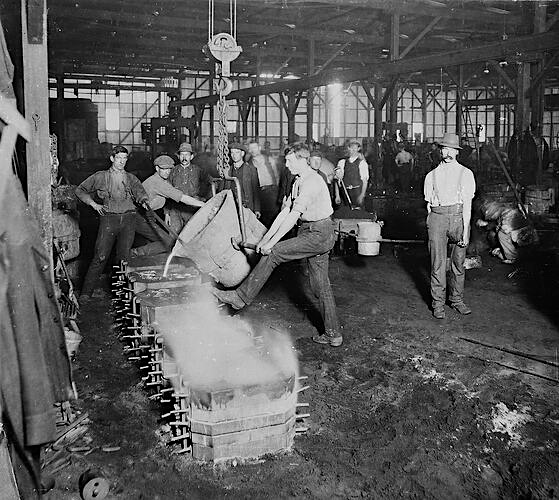
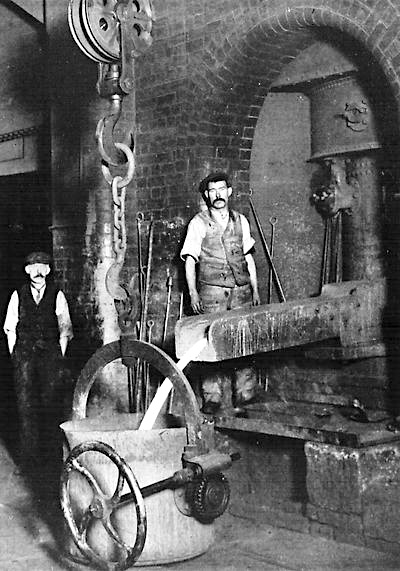
Long before the phrase entered everyday language, foundry workers in the 1800s were using something called a chill to transform molten iron into beautifully detailed, incredibly durable castings. These castings became the very foundation of iron beds, giving them their strength, character, and longevity.
Let’s take a closer look at how this fascinating process worked—and why it still matters if you’re considering investing in antique iron beds today.
The Birth of Iron Beds in the 19th Century
During the 1800s, iron beds began to replace wooden bed frames in homes across America and Europe. There were several reasons for this shift.
First, iron beds were more hygienic. At a time when concerns about pests like bedbugs were growing, wooden frames were seen as a liability. Iron beds, with their smoother surfaces and fewer hiding places, offered a cleaner alternative.
Second, they were more durable. While wooden frames could warp, crack, or weaken over time, antique iron beds were built to last for generations.
But what truly set iron beds apart wasn’t just the material—it was the craftsmanship behind them.
Molten Iron and the Art of Casting
To understand why antique iron beds are so strong, you have to start in the foundry.
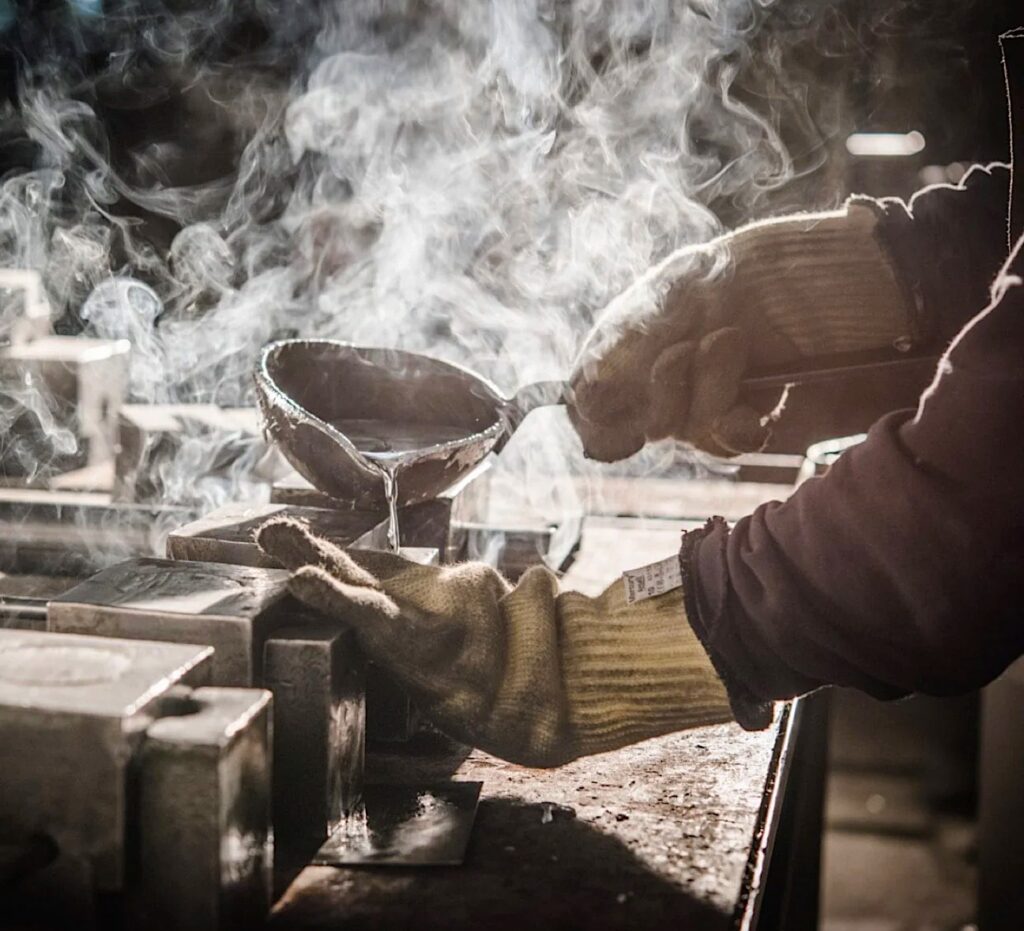
In the 19th century, skilled workers would heat iron to extremely high temperatures until it became molten—glowing, liquid metal ready to be shaped. This molten iron was then poured into molds designed to create the intricate joints and decorative elements that define antique iron beds.
These weren’t just structural components. The castings were often highly detailed, featuring ornate patterns, scrollwork, and embellishments that gave iron beds their distinctive beauty.
But achieving that level of detail—and ensuring the strength of each piece—required more than just pouring molten iron into a mold.
This is where the “chill” comes in.
What Is a “Chill” in Foundry Work?
In foundry terms, a chill is a method used to rapidly cool molten iron at specific points within a mold.
Typically, chills were made of metal and placed strategically inside or alongside the mold before the molten iron was poured. When the hot iron came into contact with the chill, the heat was drawn away quickly, causing that part of the casting to solidify faster than the surrounding material.
This rapid cooling had two major effects:
1. Increased Strength
The faster cooling process created a denser, harder structure within the iron. This made the casting more resistant to wear, stress, and breakage.
2. Sharper Detail
Because the iron solidified quickly at the surface, it captured finer details from the mold. This allowed for the crisp lines and intricate designs that make antique iron beds so visually appealing.
In essence, the chill helped “lock in” both strength and beauty at the same time.
Why the Cast Joints Were Everything
When you look at antique iron beds, it’s easy to focus on the overall design—the headboard, the footboard, the decorative elements.
But the real magic lies in the joints.
These small cast pieces are what hold the entire bed together. They connect the rails, support the structure, and ensure stability over time.
Thanks to the use of chills during the casting process, these joints were not only strong—they were exceptionally strong. Strong enough, in fact, that many antique iron beds from the 1800s are still in use today.
That kind of longevity is no accident. It’s the direct result of thoughtful engineering and skilled craftsmanship.
Antique Iron Beds vs. Modern Manufacturing
Today, most mass-produced bed frames are made with speed and cost-efficiency in mind. Materials are often lighter, connections are simpler, and the emphasis is on convenience rather than longevity.
Modern iron beds, while attractive, rarely undergo the same casting processes used in the 19th century. The intricate use of chills to control cooling and enhance strength is largely absent in today’s manufacturing.
As a result, many contemporary iron beds lack the density, durability, and fine detail found in antique iron beds.
This is one of the reasons why antique iron beds continue to be highly sought after—not just for their aesthetic appeal, but for their unmatched quality.
The Enduring Appeal of Antique Iron Beds
There’s something undeniably special about owning a piece of history.
Antique iron beds carry with them the story of the craftsmen who made them, the foundries where they were cast, and the generations of homes they’ve been part of.
But beyond the history, there’s a practical advantage.
Because of the way they were made—using techniques like chilling—these iron beds are built to last. They offer a level of strength and stability that’s difficult to find in modern furniture.
And then there’s the design.
The crisp details made possible by chills give antique iron beds a level of artistry that stands out in any room. Whether your style leans traditional, transitional, or even modern, an antique iron bed can serve as a striking focal point.
A Deeper Meaning Behind “Chill”
It’s interesting how language evolves.
Today, “chill” is something we say casually—a reminder to relax, take it easy, or keep things together.
But in the world of antique iron beds, the concept of chill meant something much more tangible.
It was about strength.
It was about structure.
It was about creating something that could endure.
In a way, the old foundry workers were doing exactly what the phrase suggests—helping molten iron “get itself together,” solidify, and become stronger.
Why This Matters for Today’s Buyers
If you’re considering adding an iron bed to your home, understanding this history can help you make a more informed decision.
Not all iron beds are created equal.
Antique iron beds, crafted with techniques like chilling, offer:
- Superior strength and durability
- Intricate, high-quality detailing
- A proven track record of longevity
- A unique connection to history and craftsmanship
When you invest in antique iron beds, you’re not just buying furniture—you’re acquiring a piece of engineering and artistry that has already stood the test of time.
Final Thoughts
The next time someone tells you to “just chill,” you might hear it a little differently.
Because long before it became a modern expression, “chill” was a critical part of creating some of the finest iron beds ever made.
It was the process that gave antique iron beds their strength.
It was the technique that preserved their beauty.
And it’s one of the reasons they’re still around today—strong, detailed, and enduring.
In the end, maybe “chill” isn’t just about calming down.
Maybe it’s about solidifying, getting stronger, and holding it together—just like the castings that built the legacy of antique iron beds.