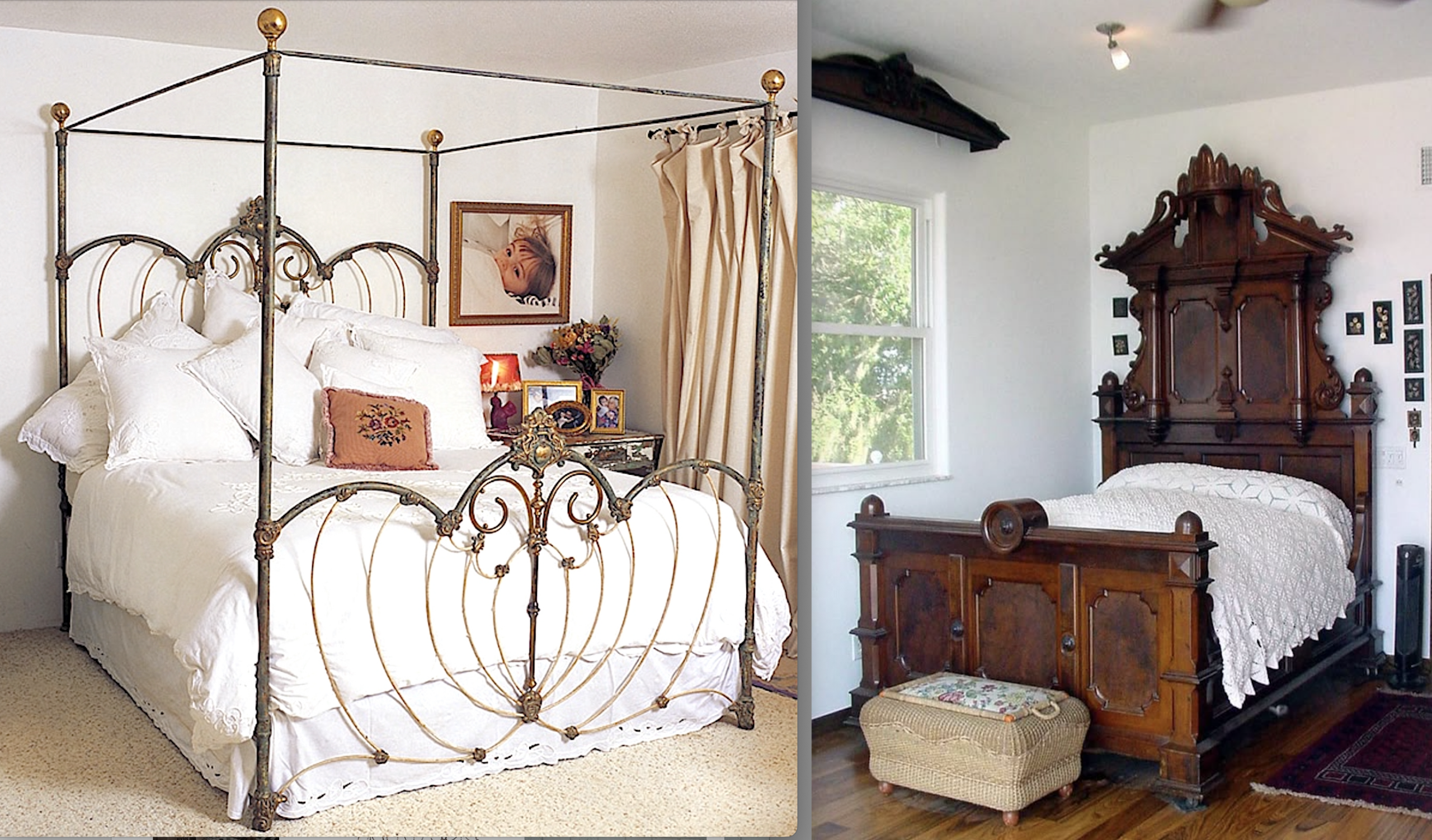
For hundreds of years, nearly every bed found in Europe and America was made from wood. Massive carved oak beds, walnut bedsteads, maple frames, and cherry furniture dominated bedrooms from the Colonial period through the early 1800s. Wood was abundant, familiar, and relatively easy for local craftsmen to work with.
Yet by the late nineteenth century, something remarkable had happened.
Walk through almost any Victorian home built between 1870 and 1910 and you’ll often find antique iron beds instead of wooden ones. Iron had become the material of choice for bedrooms across America.
So what changed?
The answer wasn’t simply fashion. The growing popularity of iron beds resulted from advances in manufacturing, changing ideas about cleanliness, affordability, safety, and the changing lifestyles of American families.
America Was Entering the Industrial Age
The Industrial Revolution transformed nearly every product Americans purchased.
Massive foundries throughout Pennsylvania, Ohio, and the Midwest were producing cast iron and steel in quantities never before possible. Cities like Pittsburgh became world-famous for iron and steel production.
Instead of every bed being handcrafted by an individual cabinetmaker, manufacturers could now produce decorative castings, tubing, and hardware in large numbers while maintaining consistent quality.
This dramatically lowered production costs.
Suddenly, beautifully decorated antique iron beds were affordable for middle-class families—not just the wealthy.
Iron had become practical.
Iron Beds Were Surprisingly Affordable
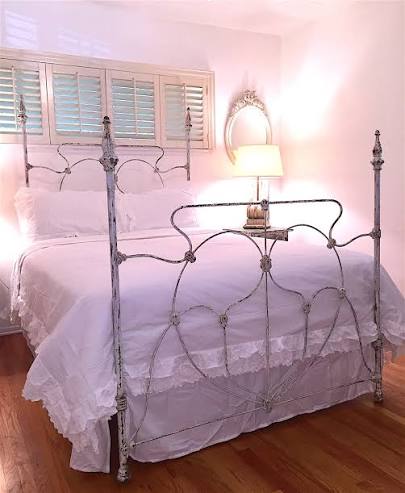 Many people assume antique iron beds were luxury furniture.
Some certainly were.
Highly ornate Victorian models with elaborate castings and brass trim commanded premium prices. But many manufacturers also offered simpler iron beds that cost less than finely crafted hardwood furniture.
Wood furniture required quality lumber, skilled carving, joinery, finishing, and many hours of labor.
Iron manufacturing became increasingly efficient.
Factories could produce hundreds of matching decorative castings every day using molds. Those pieces could then be assembled into beautiful beds far more efficiently than hand-building every component from wood.
The result?
Families could own stylish furniture without spending a fortune.
Cleanliness Became a National Obsession
Perhaps the biggest reason antique iron beds became so popular had nothing to do with appearance.
It had everything to do with hygiene.
During the Victorian Era, medical science began connecting disease with sanitation and cleanliness.
People were becoming far more conscious about maintaining healthier homes.
Unlike wood, painted iron offered a smooth, non-porous surface that was easy to wipe clean.
Dust couldn’t become embedded in intricate wood grain.
Moisture couldn’t soak into the frame.
Regular cleaning became much easier.
Hospitals quickly recognized these advantages.
Many hospitals, military barracks, schools, and boarding houses adopted iron beds because they could be cleaned quickly and thoroughly.
Consumers soon followed.
If hospitals trusted iron, homeowners began trusting it too.
Bed Bugs Helped Change Furniture History
 One uncomfortable truth rarely discussed today played a surprisingly important role.
Bed bugs.
Long before modern pest control existed, infestations were common.
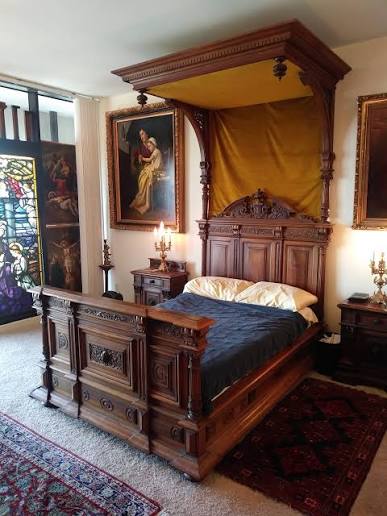
Wooden bed frames offered endless hiding places.
Tiny cracks.
Mortise joints.
Carved details.
Loose connections.
All provided ideal places for insects to hide and reproduce.
Iron offered far fewer hiding places.
Its smooth painted surfaces made insects easier to spot and easier to remove.
Although no bed is completely immune to pests, antique iron beds represented a significant improvement over heavily carved wooden furniture.
That reputation spread quickly.
Rodents Preferred Wood
 Victorian homes weren’t sealed like modern houses.
Mice and rats were common visitors.
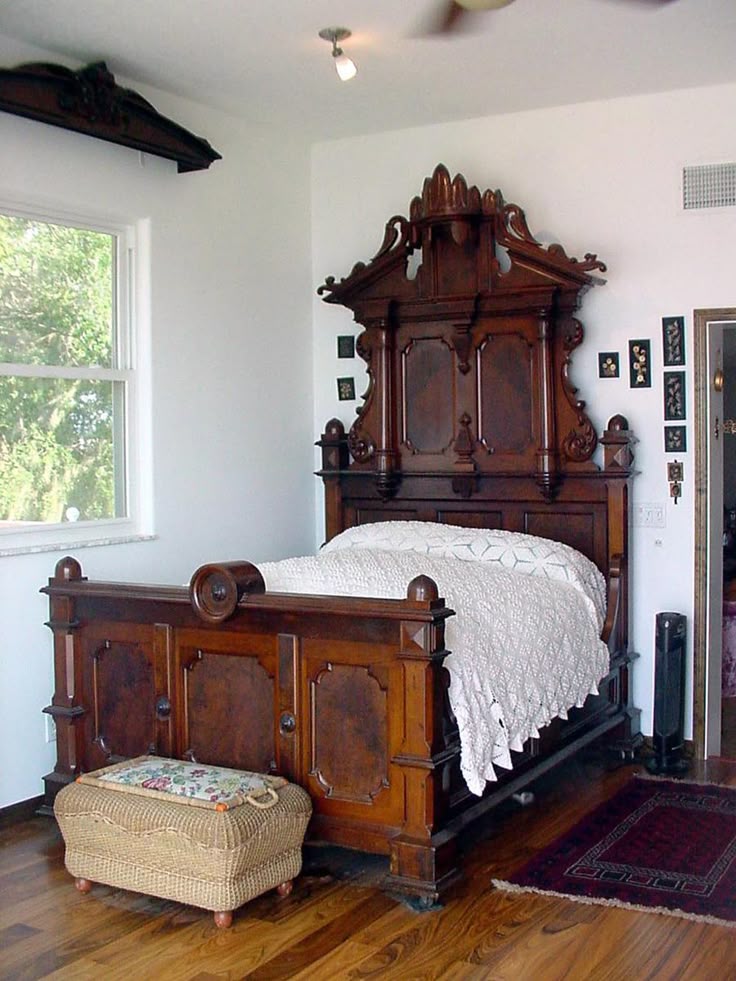
Wooden beds often provided hidden nesting opportunities, especially in larger carved headboards or damaged joints.
Iron eliminated much of that concern.
Unlike wood, it couldn’t be chewed, hollowed out, or used as nesting material.
For many families, this alone made iron beds a practical investment.
Fire Safety Was Another Advantage
During the nineteenth century, house fires were unfortunately common.
Heating stoves.
Oil lamps.
Candles.
Fireplaces.
All increased the risk.
Wood burns.
Iron doesn’t.
While mattresses and bedding still posed obvious hazards, homeowners appreciated that the bed frame itself wasn’t additional fuel for a fire.
It offered another level of reassurance.
Decorative Designs Became More Beautiful Than Ever
One misconception is that iron beds were plain or industrial looking.
The opposite was true.
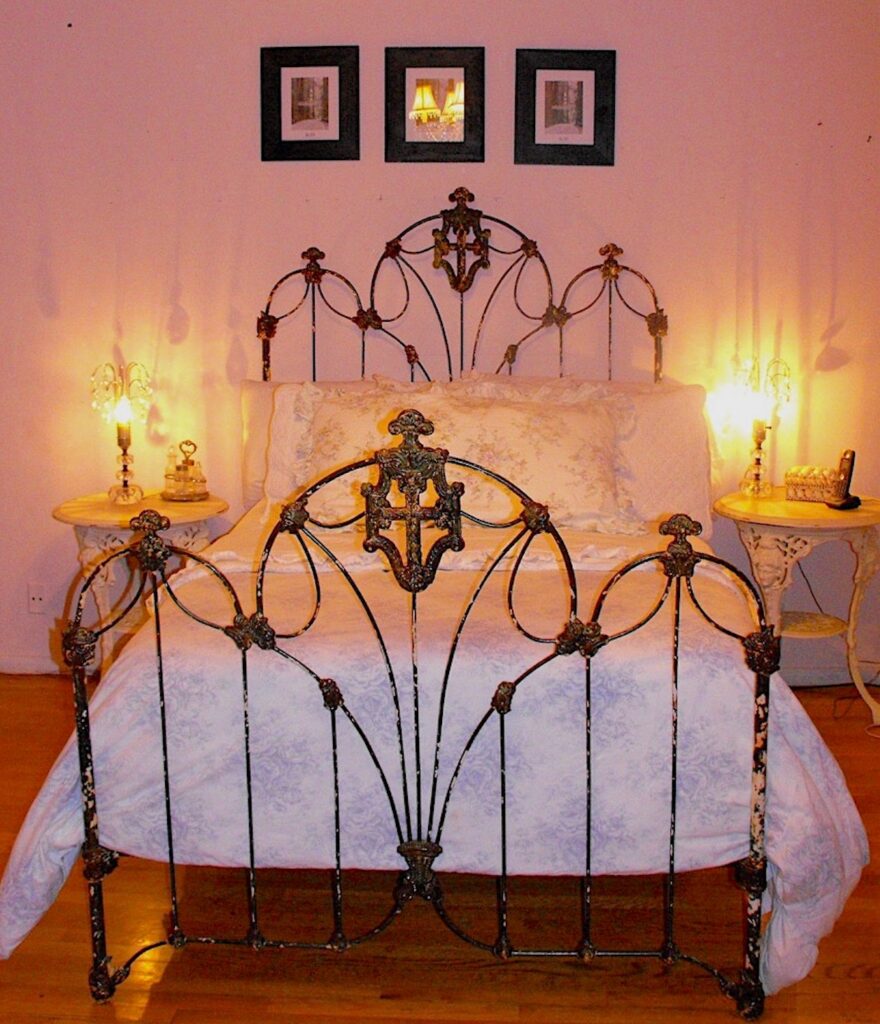
Foundries became incredibly skilled at producing decorative castings.
Flowing floral designs.
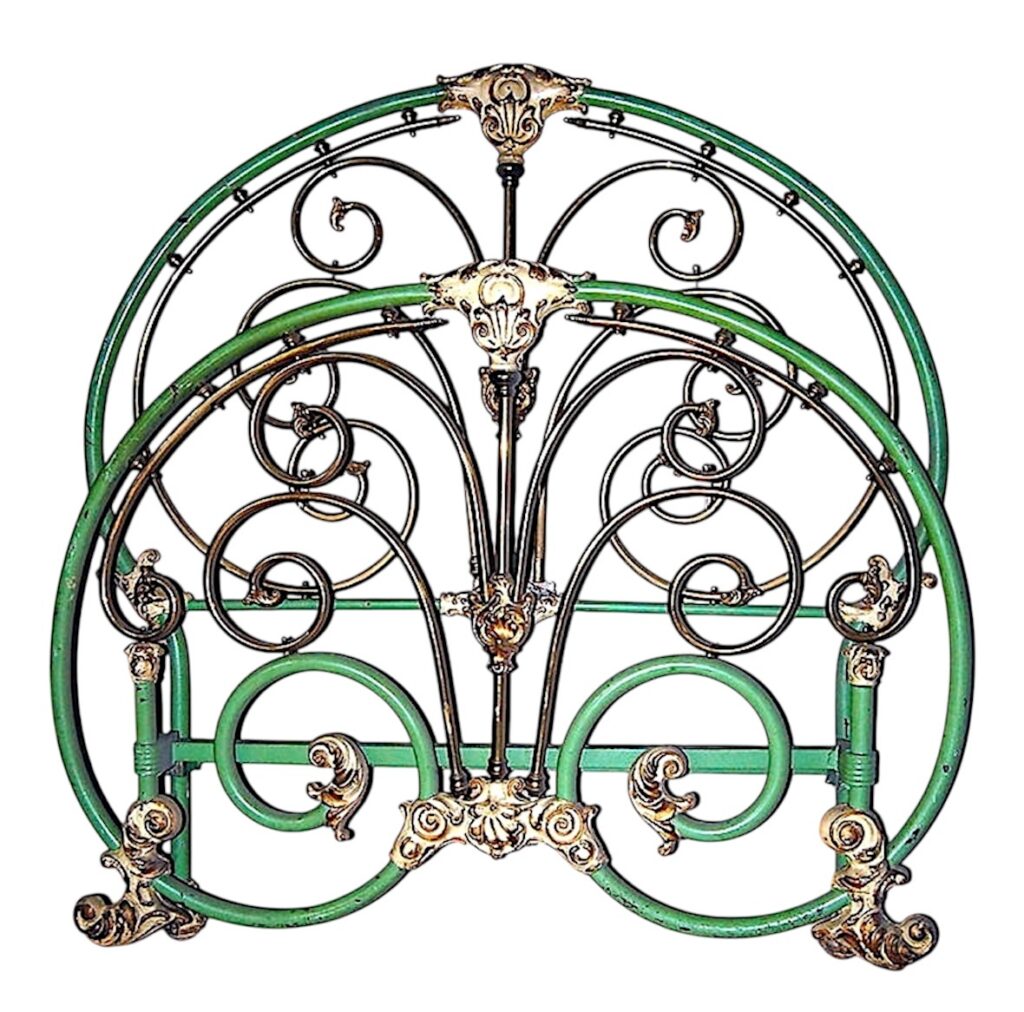
Art Nouveau curves.
Grapes.
Flowers.
Butterflies.
Stars.
Crosses.
Fans.
Even elaborate scrollwork became common.
Manufacturers discovered they could create artistic designs that would have been extremely expensive to carve by hand in hardwood.
Victorian homeowners loved ornamentation.
Iron delivered it beautifully.
Brass Added Elegance
As the Victorian Era progressed, many manufacturers began combining brass with painted iron.
Warm polished brass contrasted beautifully against black, white, cream, green, or burgundy finishes.
These mixed-metal designs projected elegance while remaining affordable compared to solid brass furniture.
Many of today’s most sought-after antique iron beds feature these beautiful brass accents.
Iron Was Surprisingly Strong
Strength became another important selling point.
Quality antique iron beds built in America often used heavy-wall steel tubing with substantial cast iron joints.
Many have survived well over one hundred years.
Unlike many wooden beds that loosened with seasonal humidity changes, properly assembled iron beds remained remarkably rigid.
That durability explains why so many are still sleeping comfortably in homes today.
Easier Transportation
As America’s railroad system expanded, manufacturers could ship iron beds nationwide.
Many models were designed to disassemble into manageable pieces.
Headboard.
Footboard.
Side rails.
This made transportation easier than moving one-piece carved wooden bedsteads.
Families relocating westward appreciated furniture that could travel more easily.
The Victorian Love of Innovation
 Victorian Americans embraced new inventions.
Indoor plumbing.
Electricity.
Telephones.
Sewing machines.
Improved heating.
Iron furniture represented another symbol of modern living.
Owning beautifully designed antique iron beds suggested your home embraced progress while still maintaining elegance.
Every Bedroom Could Have Its Own Personality
Manufacturers offered remarkable variety.
Simple farmhouse styles.
Highly ornate Victorian designs.
French-inspired curves.
Art Nouveau influences.
Painted finishes.
Brass trim.
Children’s beds.
Guest beds.
Matching twin beds.
Large family homes could furnish every bedroom while maintaining a consistent style.
Why Antique Iron Beds Remain Popular Today
 More than a century later, the reasons people choose antique iron beds haven’t changed all that much.
They’re incredibly durable.
They fit both traditional and modern interiors.
They allow light to pass through a room, making bedrooms feel more open than bulky wooden furniture.
They can be restored, repainted, or preserved with their beautiful original finish.
Most importantly, every authentic bed tells a story.
Each one has already survived generations of use.
Unlike newly manufactured reproductions, genuine antique iron beds carry history that simply cannot be recreated.
A Piece of American History
The transition from wood to iron marked more than a change in furniture.
It reflected America’s rapid industrial growth, advances in public health, improvements in manufacturing, and changing expectations about comfort and cleanliness.
Today’s collectors appreciate these beds for their craftsmanship and timeless beauty, but Victorian families often purchased them for practical reasons.
They wanted furniture that was cleaner.
Stronger.
More affordable.
More modern.
And undeniably beautiful.
That combination explains why so many original iron beds continue to grace bedrooms over one hundred years after they were first manufactured.
When you own one today, you’re not simply buying a place to sleep.
You’re preserving an important chapter of American history.