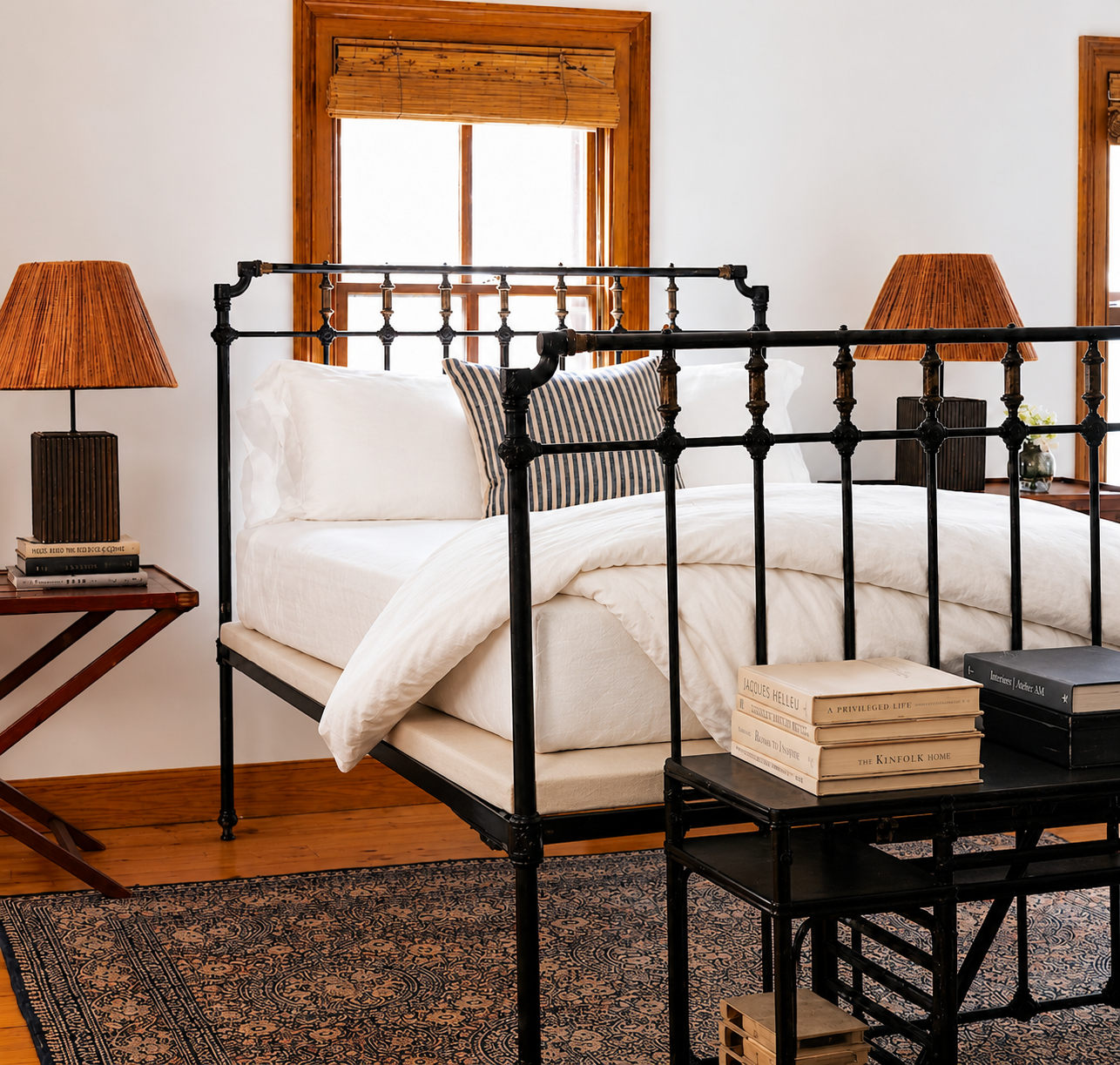
Because antique doesn’t have to mean inconvenient!
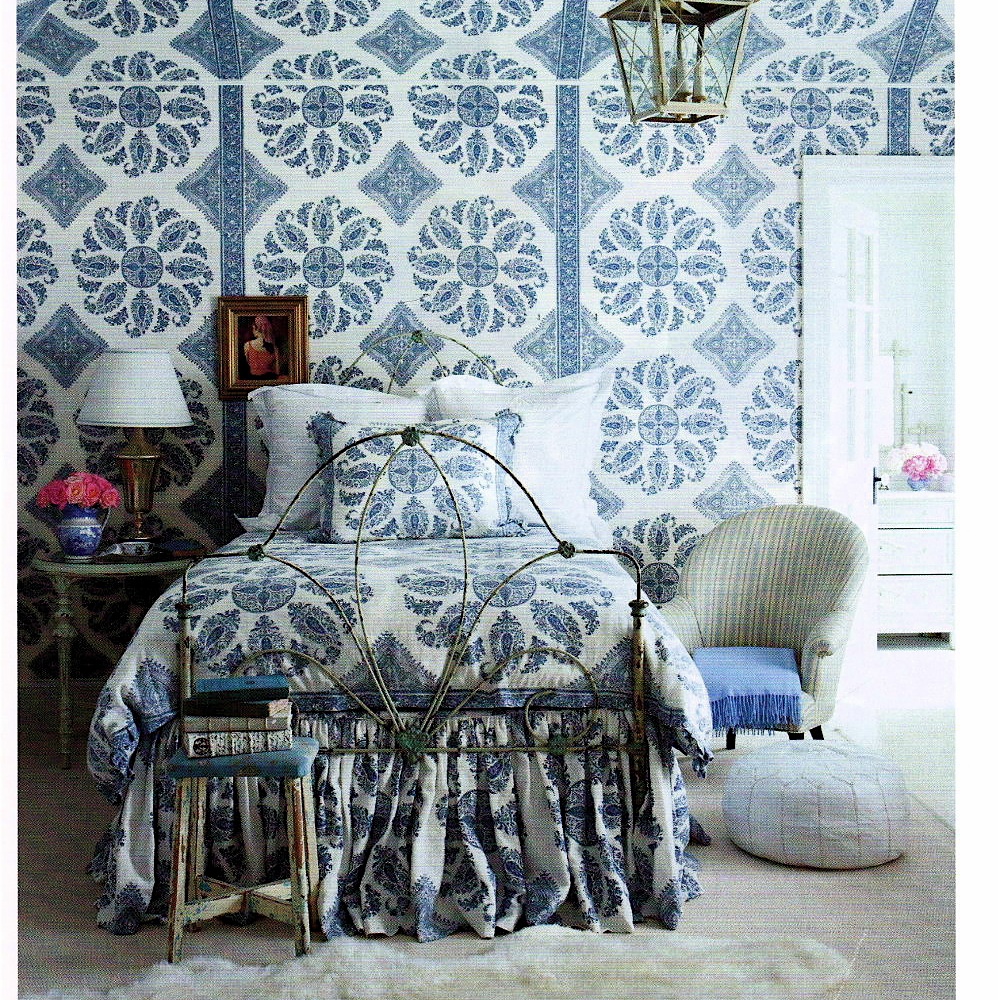
There’s something undeniably special about an authentic antique iron bed. The graceful curves, decorative castings, substantial iron construction, and craftsmanship of a bygone era give these beds a character that’s difficult to duplicate.
But there’s one concern we occasionally hear from customers considering an antique iron bed:
“Isn’t the mattress going to be too high off the floor?”
It’s a reasonable question, especially for anyone accustomed to today’s lower-profile beds.
The good news? In many cases, the solution is surprisingly simple, relatively inexpensive, and doesn’t require altering the antique bed itself.
It’s called a bunkie board, and it can make a remarkable difference in the overall height of your mattress.
At Cathouse Antique Iron Beds, we’ve spent more than 50 years working with authentic antique iron beds. Over those decades, we’ve learned that sometimes the smallest adjustments can make these wonderful old beds considerably more practical for modern living.
Let’s take a closer look.
Why Are Antique Iron Beds Often So High?
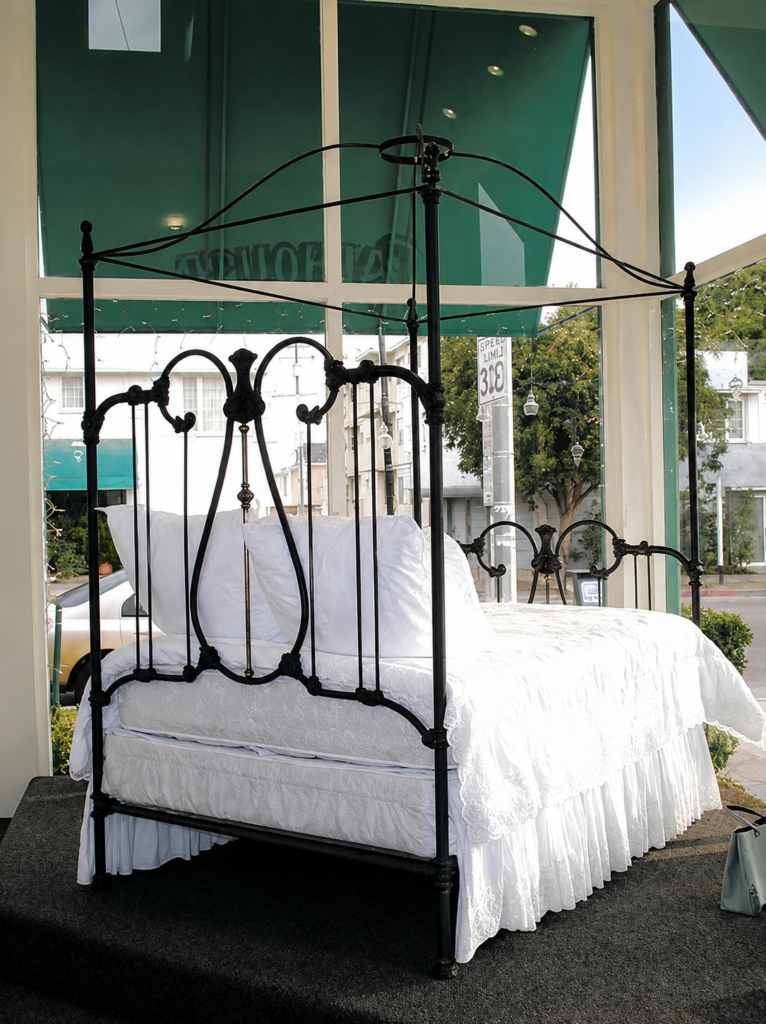 To understand the problem, it helps to understand a little about the history of antique iron beds.
During the Victorian era and into the early 20th century, iron beds were manufactured with proportions that differed from many contemporary beds.
Their decorative headboards and footboards often featured substantial vertical ironwork, elaborate castings, and beautifully proportioned corner posts. The height of the bed was part of its overall design.
These weren’t the low-profile platform beds that have become popular in contemporary bedrooms.
Many antique iron beds also have side rails positioned higher above the floor than those found on modern bed frames.
When you combine that elevated frame with today’s thick mattresses and traditional box springs, the finished sleeping surface can become considerably higher than expected.
And that’s where the real problem often begins.
The antique bed itself isn’t necessarily the culprit. It’s what we’re putting on top of it.
The Hidden Problem: Traditional Box Springs
For decades, the conventional mattress setup consisted of two primary components:
- A mattress.
- A box spring or foundation underneath it.
Traditional box springs and foundations commonly measure approximately 8 to 10 inches thick.
On a modern bed frame, that additional height may not be particularly noticeable.
But place the same combination on an antique iron bed with elevated side rails, and suddenly you’re looking at a mattress that may sit uncomfortably high off the floor.
Today’s mattresses can also be considerably thicker than those commonly used generations ago. Some modern mattresses measure 12, 14, or even 16 inches in height.
Consider the combination of a 10-inch box spring and a 14-inch mattress.
That’s 24 inches of bedding alone, before accounting for the height of the antique bed’s supporting rails above the floor.
For some people, that can make getting into and out of bed feel more like climbing aboard than settling in for a comfortable night’s sleep.
Fortunately, there’s an alternative.
What Exactly Is a Bunkie Board?
A bunkie board is a relatively thin, supportive platform designed to sit underneath a mattress in place of a traditional box spring or foundation, provided the mattress manufacturer permits that type of support.
Originally associated with bunk beds, bunkie boards have become increasingly popular for platform beds, daybeds, and other situations where reducing mattress height is desirable.
Unlike a traditional box spring, which may measure 8 to 10 inches thick, a bunkie board typically measures approximately 1 to 3 inches thick.
For our purposes, let’s use a 2-inch bunkie board as an example.
The principle is simple.
Instead of placing your mattress on top of a bulky 10-inch box spring, you place it on a supportive 2-inch bunkie board.
You’ve just eliminated 8 inches of unnecessary height!
And you’ve accomplished that without cutting, shortening, modifying, or otherwise compromising your antique iron bed.
That’s a pretty remarkable improvement for such a simple change.
How Much Height Can You Actually Save?
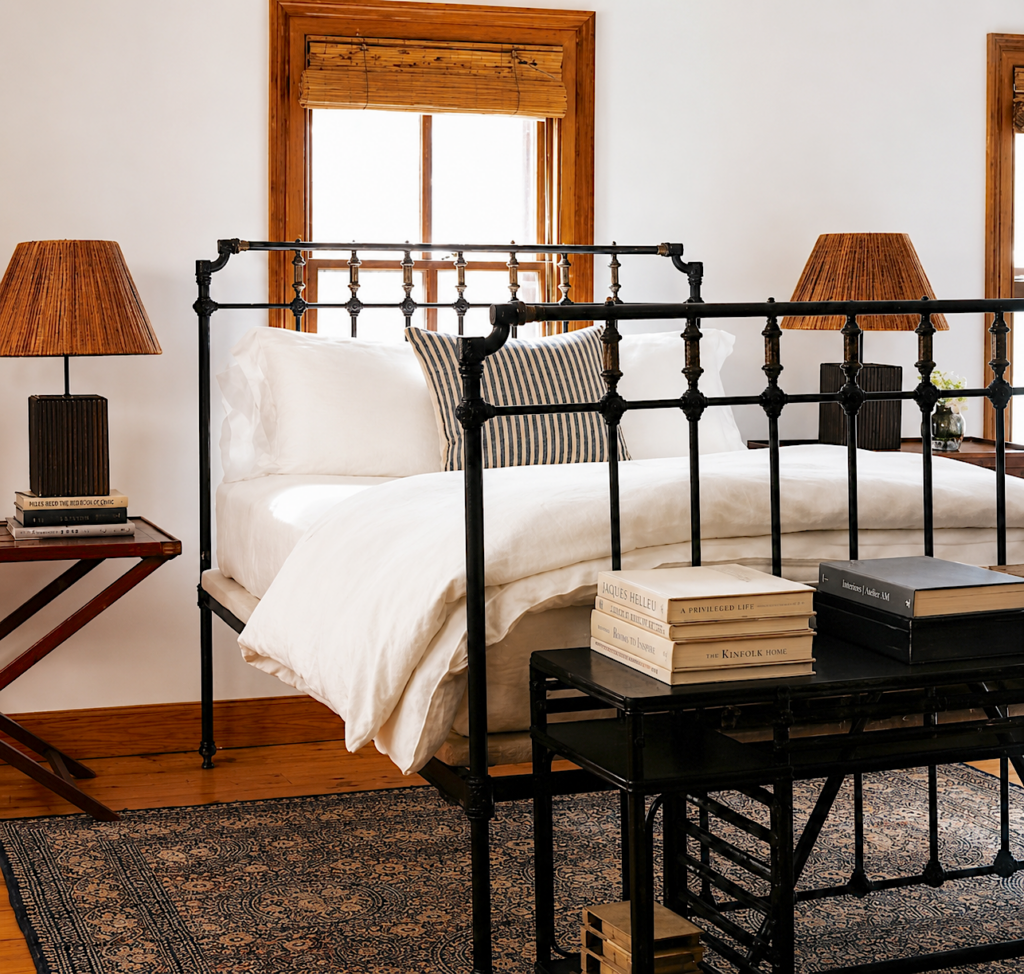 Let’s put some numbers to this.
Imagine you have a beautiful antique iron bed with its mattress support positioned 14 inches above the floor.
You purchase a comfortable 12-inch mattress and place it on a traditional 9-inch box spring.
Here’s what your finished mattress height would look like:
Traditional Box Spring Setup
- Height of bed support above floor: 14 inches
- Traditional box spring: 9 inches
- Mattress thickness: 12 inches
- Total mattress height: 35 inches
Now let’s replace that traditional box spring with a 2-inch bunkie board.
Bunkie Board Setup
- Height of bed support above floor: 14 inches
- Bunkie board: 2 inches
- Mattress thickness: 12 inches
- Total mattress height: 28 inches
That’s a reduction of 7 inches!
The exact measurements will vary depending on your antique bed, mattress, and foundation, but the principle remains the same.
By eliminating an 8-to-10-inch box spring and replacing it with a 2-inch bunkie board, you can generally lower the sleeping surface by approximately 6 to 8 inches.
For many people, that’s the difference between a bed that feels awkwardly high and one that’s comfortable and easy to use.
Does a Bunkie Board Provide Enough Mattress Support?
This is an important question, and the answer depends on the type of mattress and the construction of the support system.
A properly manufactured bunkie board is designed to provide a stable foundation for a mattress.
However, not all bunkie boards are constructed alike.
Some feature solid panels, while others use closely spaced wooden slats or reinforced platforms. Their thickness, weight capacity, and support characteristics can vary.
It’s also important to understand that a bunkie board isn’t necessarily designed to span a large unsupported opening by itself.
Antique iron beds frequently use original metal side rails, which were engineered to work with the bedding systems of their time.
Depending on the bed’s construction, additional cross supports or a properly designed supporting platform may be necessary.
At Cathouse Antique Iron Beds, we’re familiar with the structural characteristics of these original beds and the importance of providing appropriate mattress support.
Before purchasing a bunkie board, always confirm that it’s compatible with your mattress and that your antique bed has the necessary supporting structure.
This is particularly important with modern memory foam, latex, and hybrid mattresses, whose manufacturers may specify particular foundation requirements or maximum spacing between supporting slats.
A bunkie board can be an excellent solution, but proper support should never be sacrificed simply to reduce height.
Will a Bunkie Board Change the Appearance of My Antique Iron Bed?
 In many cases, it can actually improve it.
One of the great pleasures of owning an authentic antique iron bed is appreciating the craftsmanship of its original design.
Victorian and early 20th-century iron beds frequently feature elaborate castings, decorative scrollwork, beautifully shaped corner posts, and distinctive horizontal ironwork.
These details were meant to be seen.
Unfortunately, when an exceptionally thick mattress and box spring are combined, they can visually overwhelm portions of the bed’s original design.
On some beds, the added height can conceal decorative elements or make the mattress appear disproportionately large in relation to the headboard and footboard.
Reducing the bedding height can restore a more pleasing balance.
The mattress sits lower within the frame, allowing more of the original ironwork to remain visible.
The result is often a bed that looks more proportional, more graceful, and more faithful to the character of its original design.
And isn’t that part of the reason we fell in love with antique iron beds in the first place?
An Especially Useful Solution for Converted Antique Iron Beds
Another important consideration involves antique iron beds that have been professionally converted to accommodate modern mattress sizes.
Many original antique beds were manufactured in dimensions that differ from today’s standard queen and king mattresses.
At Cathouse Antique Iron Beds, we’ve spent decades converting authentic antique iron beds to accommodate contemporary mattress sizes while preserving their original character.
These conversions allow customers to enjoy the beauty of an authentic 19th- or early 20th-century bed without sacrificing modern sleeping comfort.
But even with a properly converted frame, mattress height remains an important consideration.
A low-profile bunkie board can be particularly helpful in achieving a comfortable finished height while maintaining the visual proportions of the original bed.
The key is evaluating the complete setup rather than treating the mattress, foundation, and antique frame as unrelated components.
What About Using a Thinner Mattress?
That’s another possibility, and it’s certainly worth considering.
Modern mattresses are available in a wide variety of thicknesses, from relatively low-profile models to exceptionally deep luxury mattresses.
Choosing a thinner mattress can further reduce the finished sleeping height.
However, mattress thickness alone doesn’t determine comfort or quality.
A well-designed 10-inch mattress may provide excellent support, while a much thicker mattress isn’t automatically more comfortable.
Individual sleeping preferences, body type, mattress construction, and manufacturer recommendations should all influence your choice.
For many antique iron bed owners, the ideal combination is a comfortable mattress paired with a properly supported, low-profile foundation.
This allows you to enjoy contemporary sleeping comfort without unnecessarily increasing the overall bed height.
A Few Things to Consider Before Buying a Bunkie Board
 Before making the switch, there are several practical considerations worth keeping in mind.
Measure your current bed height. Determine the distance from the floor to the top of your existing mattress. Then decide how much lower you’d like the finished sleeping surface to be.
Check your mattress requirements. Some mattresses are specifically designed for particular types of foundations. Always follow the manufacturer’s recommendations, especially where warranties are concerned.
Examine the bed’s supporting structure. Original antique iron bed rails may require additional support beneath a modern foundation. Never assume that a thin board can safely span an unsupported opening.
Consider ventilation. Certain solid foundations can restrict airflow beneath a mattress. Check whether your mattress requires a ventilated foundation.
Choose a quality product. A bunkie board should provide adequate support for the mattress and its occupants without excessive flexing or sagging.
Taking these precautions helps ensure that your lower-profile sleeping arrangement is both comfortable and structurally sound.
Don’t Let Mattress Height Discourage You From Owning an Antique Iron Bed
After more than five decades specializing in authentic antique iron beds, one thing has become abundantly clear to us:
These wonderful old beds are far more adaptable to modern living than many people realize.
Whether we’re discussing converting an original double bed to a queen, adapting a pair of antique twins, restoring an original finish, or finding the right mattress foundation, there are often practical solutions that preserve the bed’s historical character.
And that’s precisely the point.
You shouldn’t have to sacrifice the beauty, craftsmanship, and individuality of an authentic antique iron bed simply because modern bedding has changed.
Sometimes the answer isn’t a complicated alteration or an expensive modification.
Sometimes it’s just replacing a bulky box spring with a simple 2-inch bunkie board.
Because antique doesn’t have to mean inconvenient!
At Cathouse Antique Iron Beds, we’ve been helping customers discover, restore, and enjoy authentic antique iron beds for over 50 years.
We believe these beds deserve to remain part of our homes for generations to come, not merely as beautiful antiques, but as comfortable, functional pieces of everyday furniture.
If you’re considering an antique iron bed but have concerns about mattress height, support, or accommodating a modern mattress, we’d be happy to help you explore the possibilities.
Visit us at www.cathousebeds.com and discover why authentic antique iron beds never go out of style.