When people first discover original antique iron beds, one of the first questions they ask is:
“How has this bed survived for over 100 years?”
It’s a fair question.
After all, most furniture made today is considered old after twenty years. Many modern beds begin to wobble, loosen, or even end up at the curb long before that.
Yet antique iron beds built during the late 1800s continue to serve generation after generation with remarkable strength and beauty.
The answer isn’t luck.
It’s the combination of superior materials, exceptional craftsmanship, and a level of pride that is rarely found in today’s mass-produced furniture.
 Built When Quality Came First
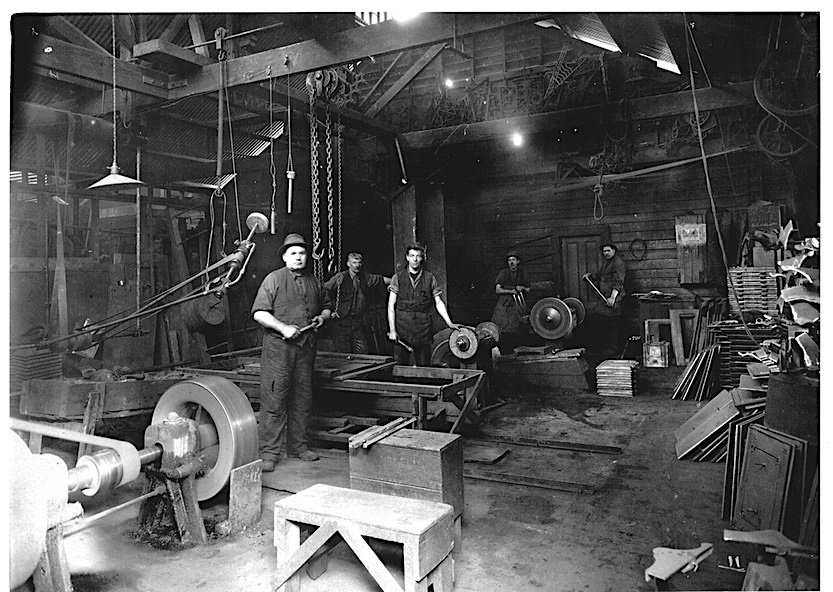
The craftsmen who built antique iron beds weren’t trying to manufacture the least expensive product possible.
They were building furniture that was expected to last a lifetime—and often several lifetimes.
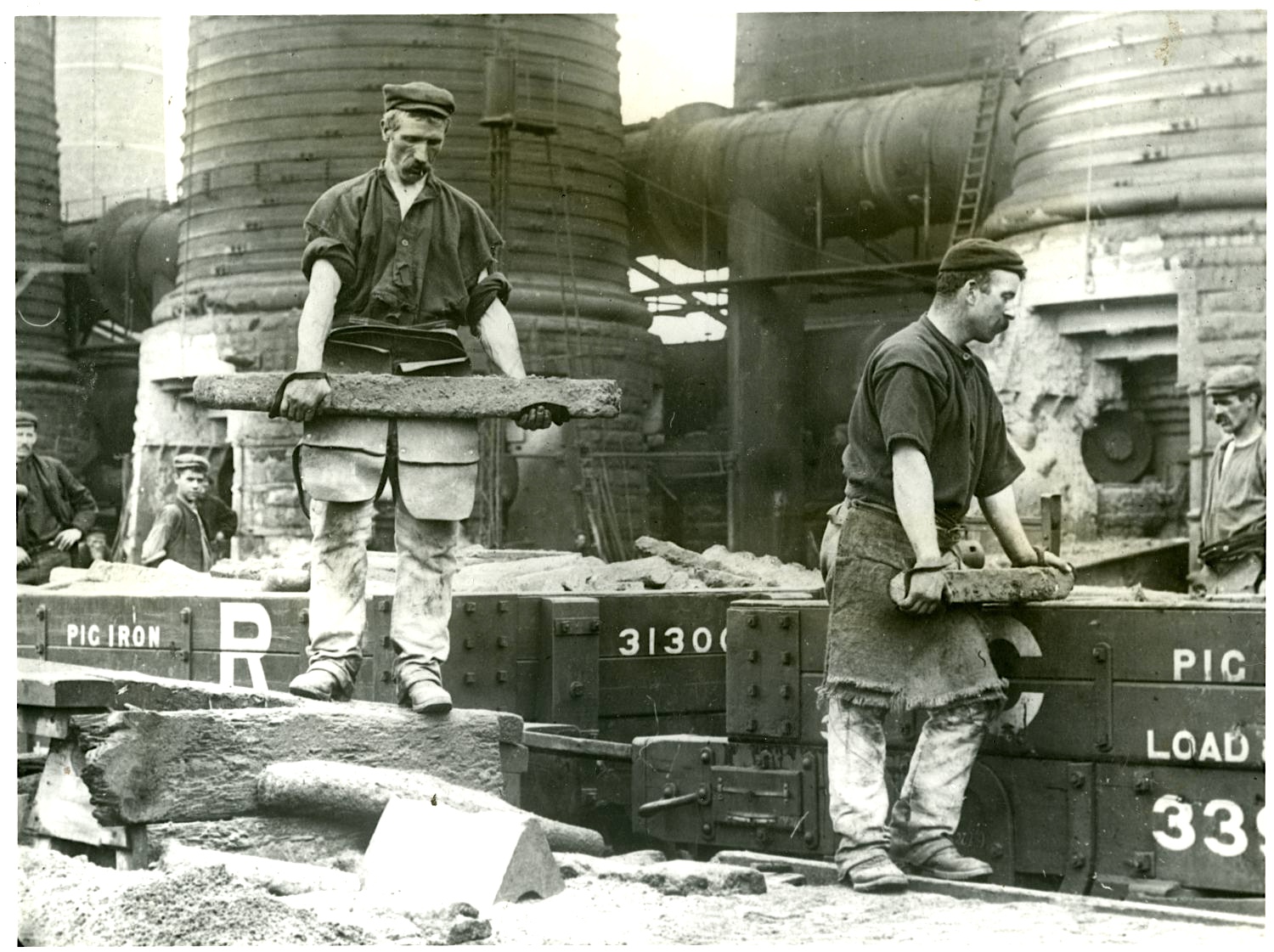
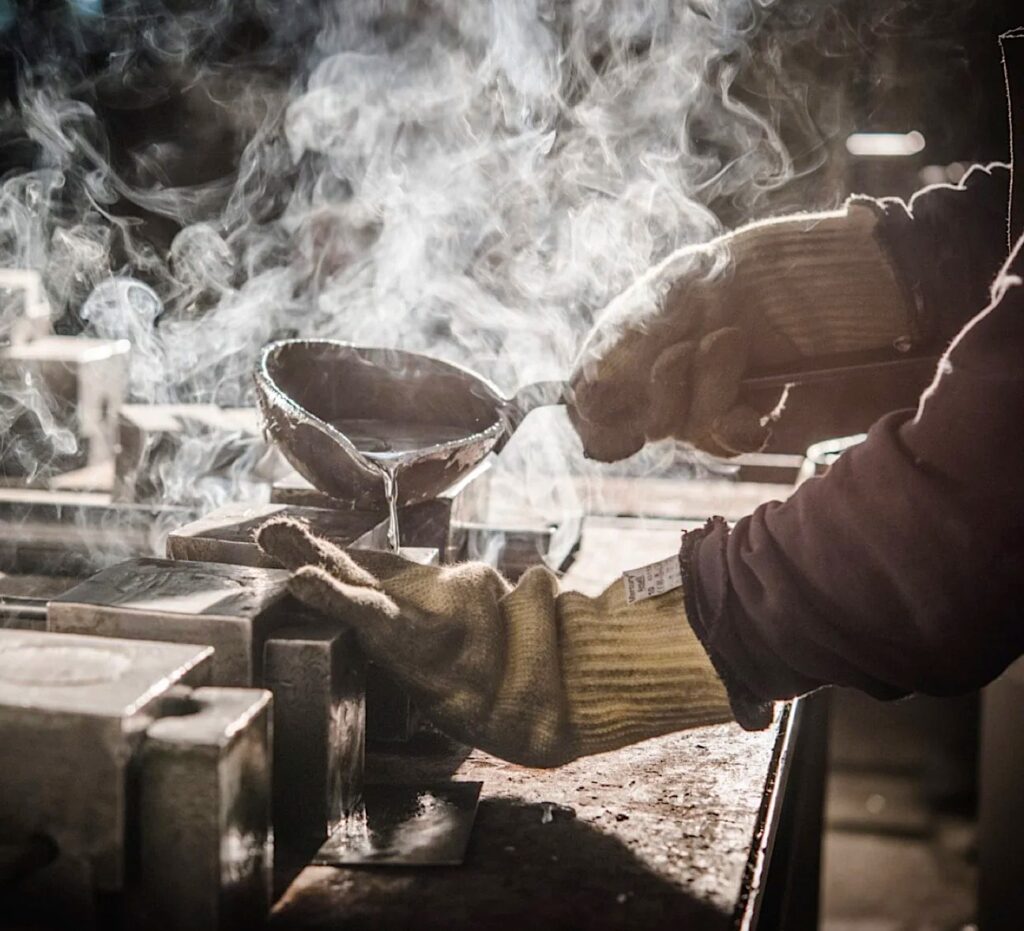
Every bed represented hours of skilled labor. Individual pieces of heavy iron tubing were carefully fitted together. Decorative castings were poured individually, finished by hand, and assembled with remarkable precision.
There were no automated production lines rushing thousands of identical beds through a factory each day.
Every original antique iron bed reflected the experience and pride of the men who built it.
That level of craftsmanship is one of the reasons these beds are still being enjoyed today.
Cast Iron That Was Built to Last
One of the biggest differences between original antique iron beds and many modern iron beds is the material itself.
The decorative castings found on authentic beds were made from genuine cast iron.
Cast iron is incredibly durable.
Unlike many lightweight decorative materials used today, properly made cast iron resists wear, maintains its shape, and can survive generations of everyday use.
Many of the elaborate castings you see on Victorian and Art Nouveau antique iron beds are every bit as solid today as the day they left the foundry over a century ago.
That’s one reason collectors and interior designers continue to seek out original antique iron beds instead of reproductions.
Thick Wall Tubing Made All the Difference
Another major reason these beds have survived is something many people never notice.
The tubing.
Original American antique iron beds were typically constructed using thick-wall steel tubing.
That heavier tubing created an incredibly rigid frame capable of supporting decades of daily use.
Modern reproduction iron beds often use much thinner tubing.
While thinner materials reduce manufacturing costs and shipping expenses, they simply cannot match the structural strength of the original beds.
The difference may not always be obvious in a photograph.
But once you’ve moved, assembled, or slept in both, the distinction becomes immediately apparent.
Weight often tells the story.
The heavier the original bed, the more substantial its construction usually is.
 Built to Be Used Every Day
Victorian families didn’t buy furniture expecting to replace it every decade.
Their beds were designed to become part of the household for generations.
Children inherited them.
Grandchildren inherited them.
Many of the antique iron beds we restore today have remained within the same family for well over one hundred years.
That kind of longevity simply doesn’t happen by accident.
It happens because the materials and construction were designed for permanence rather than planned replacement.
The Craftsmanship You Can Actually See
Take a close look at an original antique iron bed.
Notice the crisp detail in the castings.
The graceful curves.
The smooth transitions from one piece to another.
The symmetry.
These weren’t shortcuts.
Each decorative element required skilled foundry workers, pattern makers, finishers, and craftsmen who took enormous pride in their work.
Even the simplest antique iron bed displays an attention to detail that is difficult to duplicate economically today.
Many reproductions imitate the appearance.
Very few reproduce the craftsmanship.
Pride in Every Piece
Perhaps the greatest difference between then and now can’t be measured with a ruler or a scale.
It’s pride.
During the late nineteenth century, craftsmen often spent years learning their trade.
Their reputation depended upon the quality of what they produced.
They expected their work to survive.
Today, much of the furniture industry is driven by speed, efficiency, and reducing production costs.
Assembly-line manufacturing certainly has its advantages.
But hand craftsmanship is no longer the foundation it once was.
That’s one reason antique iron beds continue to stand apart.
They represent a time when durability mattered just as much as appearance.
A Sustainable Choice That Already Passed the Test
Every original antique iron bed still in use today has already proven something remarkable.
It has survived more than a century.
Instead of sending another modern bed to a landfill every decade or two, choosing an antique iron bed gives new life to a piece of history that has already demonstrated its durability.
It’s difficult to think of a better example of sustainability than preserving something that has already served families for generations and is ready to serve many more.
Why More People Are Choosing Antique Iron Beds
Interior designers, collectors, and homeowners continue to choose antique iron beds because they offer something modern furniture rarely can.
Authenticity.
Strength.
History.
Craftsmanship.
Character.
No two original beds are exactly alike.
Each carries its own story while offering structural integrity that has already stood the test of time.
That’s a combination that simply can’t be manufactured overnight.
Built Yesterday. Ready for Tomorrow.
When you purchase an original antique iron bed, you’re not buying something fragile.
You’re investing in furniture that has already survived generations of use.
Its cast iron remains incredibly durable.
Its thick-wall tubing continues to provide outstanding strength.
Its craftsmanship reflects an era when quality mattered above all else.
Most importantly, it proves that truly exceptional workmanship never goes out of style.
At Cathouse Beds, we’ve spent decades restoring original antique iron beds so they can continue serving families for generations to come.
After more than one hundred years, these remarkable beds are still doing exactly what they were built to do.
And with proper care, they’ll likely still be doing it a hundred years from now.