When admiring a beautiful antique iron bed, most people are immediately drawn to its elegant silhouette, timeless craftsmanship, and enduring presence. Yet one of the most fascinating aspects of any antique iron bed is often overlooked—the castings. These decorative iron components are much more than ornamental embellishments. In many ways, castings are the fingerprint of antique iron beds, revealing the quality, skill, and artistry of the foundry that created them.
During the nineteenth century, particularly throughout the Victorian era, iron beds became increasingly popular in homes across North America and Europe. As demand grew, countless foundries began producing iron beds in a wide variety of styles and designs. While many manufacturers could construct a functional iron bed, only the finest foundries possessed the expertise and craftsmanship required to create truly exceptional castings.
Today, collectors, restorers, and enthusiasts often judge the quality of antique iron beds by examining the detail and intricacy of their castings. These remarkable pieces of ironwork tell a story that has survived for well over a century.
 What Are Castings?
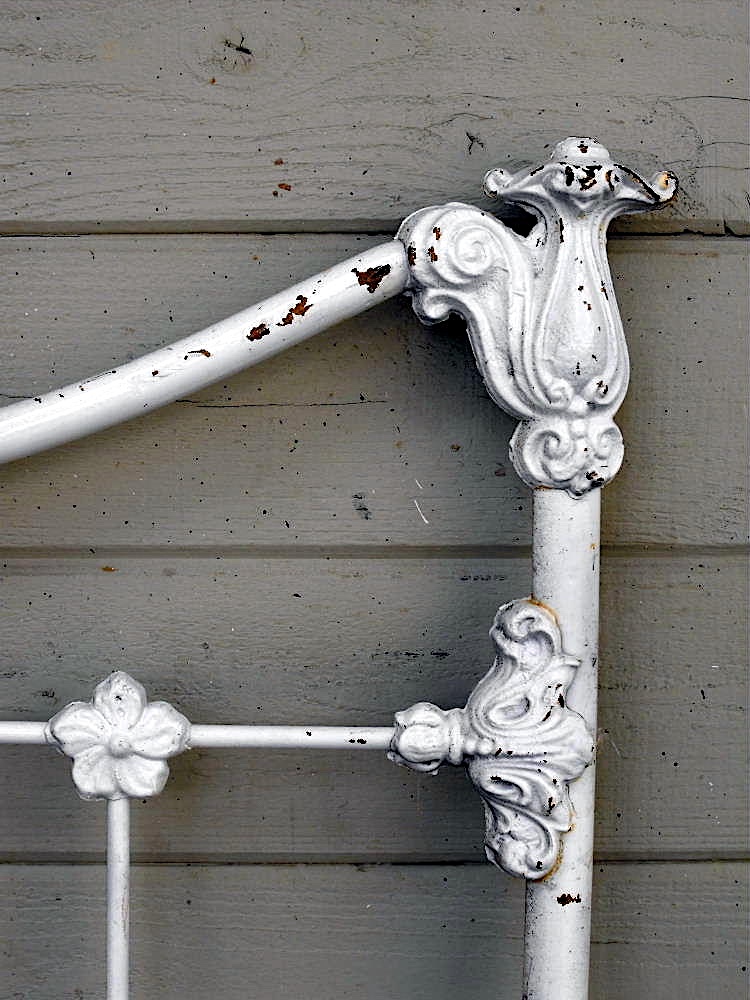
Castings are decorative iron components created by pouring molten iron into carefully crafted molds. Once the iron cooled and hardened, the casting was removed from the mold and incorporated into the design of the bed.
The process may sound straightforward, but producing high-quality castings required tremendous skill. Every curve, floral pattern, scroll, leaf, rosette, or geometric detail first had to be carved into a master pattern. The more elaborate the design, the more challenging the mold-making process became.
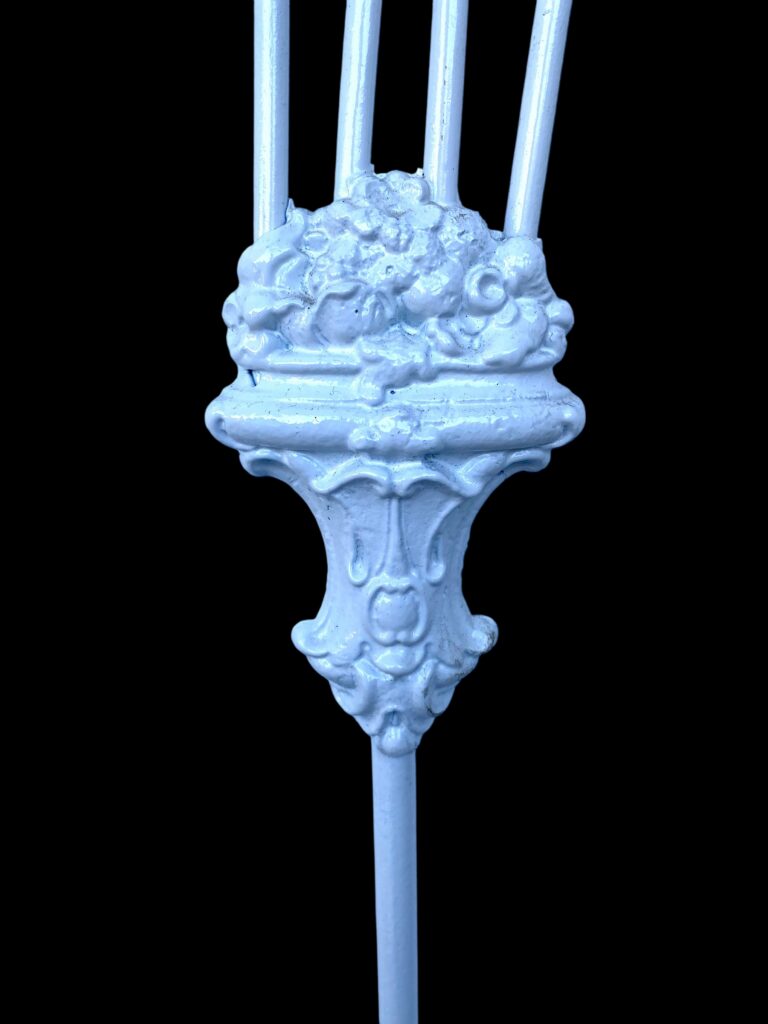
When examining antique iron beds today, the castings often provide valuable clues about the level of craftsmanship involved in their production. Sharp lines, crisp details, and deep relief patterns indicate that the foundry invested considerable time and expertise into creating superior molds.
In contrast, lower-quality iron beds frequently display simpler castings with less detail and definition. While these beds still possess historical charm, they often lack the visual impact found in higher-end examples.
The Golden Age of Iron Bed Manufacturing
The late 1800s represented the golden age of antique iron bed production. During this period, iron beds were prized not only for their durability but also for their decorative appeal.
Foundries competed vigorously with one another, striving to produce the most attractive and innovative designs. Since castings served as a major selling feature, manufacturers invested heavily in pattern makers and mold makers who could create increasingly sophisticated designs.
This competition resulted in some of the most beautiful antique iron beds ever produced. Intricate floral motifs, elaborate scrollwork, classical influences, and highly detailed decorative elements became common features among premium iron beds.
The finest foundries understood that exceptional castings distinguished their products from those of their competitors. As a result, castings became a hallmark of quality and an unmistakable signature of craftsmanship.
Why Castings Are Considered the Fingerprint of Antique Iron Beds
Just as fingerprints are unique to individuals, castings often reveal the identity and quality of the foundry that produced an antique iron bed.
Each foundry developed its own distinctive patterns, artistic preferences, and manufacturing techniques. Certain foundries favored floral designs, while others specialized in geometric motifs or ornate Victorian embellishments.
The complexity of a casting often reflected the confidence and capability of the foundry behind it. Creating highly detailed molds required experienced artisans, specialized equipment, and a commitment to quality that many manufacturers simply could not match.
When collectors evaluate antique iron beds, they frequently focus on several characteristics:
- Depth and sharpness of detail
- Complexity of the design
- Symmetry and consistency
- Quality of the iron casting itself
- Preservation of original decorative features
These characteristics help determine not only the beauty of the bed but also its historical significance and value.
For this reason, castings are often referred to as the fingerprint of antique iron beds. They provide a lasting record of the foundry’s craftsmanship and artistic vision.
 A Reflection of Skilled Craftsmanship
One of the most remarkable aspects of antique iron beds is the amount of hand craftsmanship involved in their creation.
Unlike many modern manufacturing processes that rely heavily on automation, nineteenth-century foundries depended upon skilled artisans. Pattern makers meticulously carved original designs by hand, often spending countless hours perfecting a single decorative element.
These patterns were then used to create molds capable of receiving molten iron at extremely high temperatures. Any flaw in the mold could affect the finished casting, making precision essential throughout the entire process.
When viewing a high-quality antique iron bed today, it is easy to appreciate the dedication and expertise required to create such intricate work. Every decorative casting represents the efforts of craftsmen whose skills have become increasingly rare in the modern world.
The Difference Between Average and Exceptional Castings
Not all castings were created equal.
As demand for iron beds increased, some manufacturers focused on producing large quantities at lower costs. Their castings were often simpler, shallower, and less refined.
By comparison, premium manufacturers emphasized artistry and detail. Their castings featured crisp lines, deep relief patterns, and remarkably intricate designs that remain impressive more than a century later.
When comparing two antique iron beds side by side, the difference can be striking. Superior castings immediately capture attention, drawing the eye to the decorative details that make the bed unique.
Collectors often seek out these higher-calibre examples because they represent the very best of nineteenth-century ironworking craftsmanship.
 A Beautiful Example of High-Calibre Castings
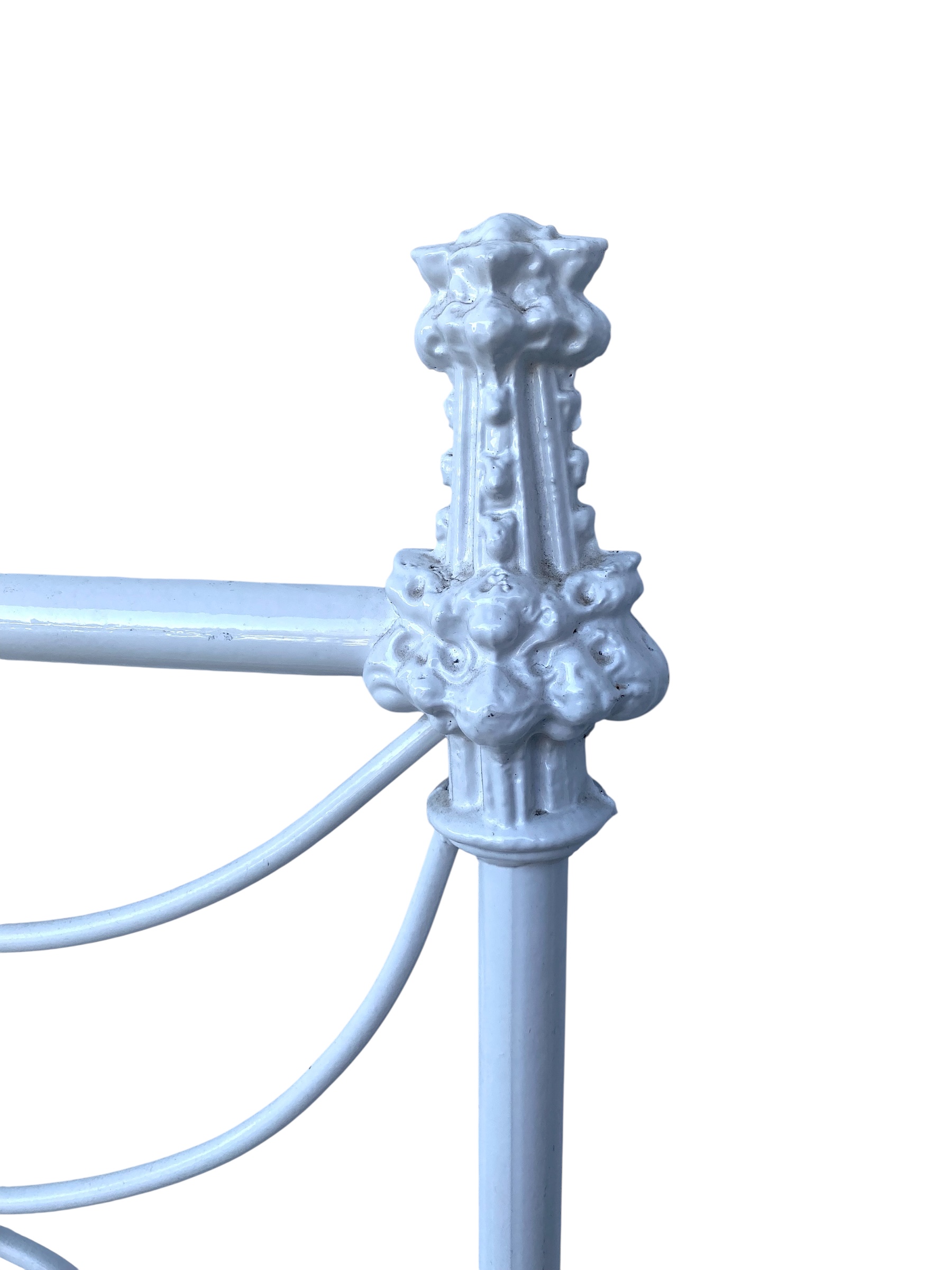
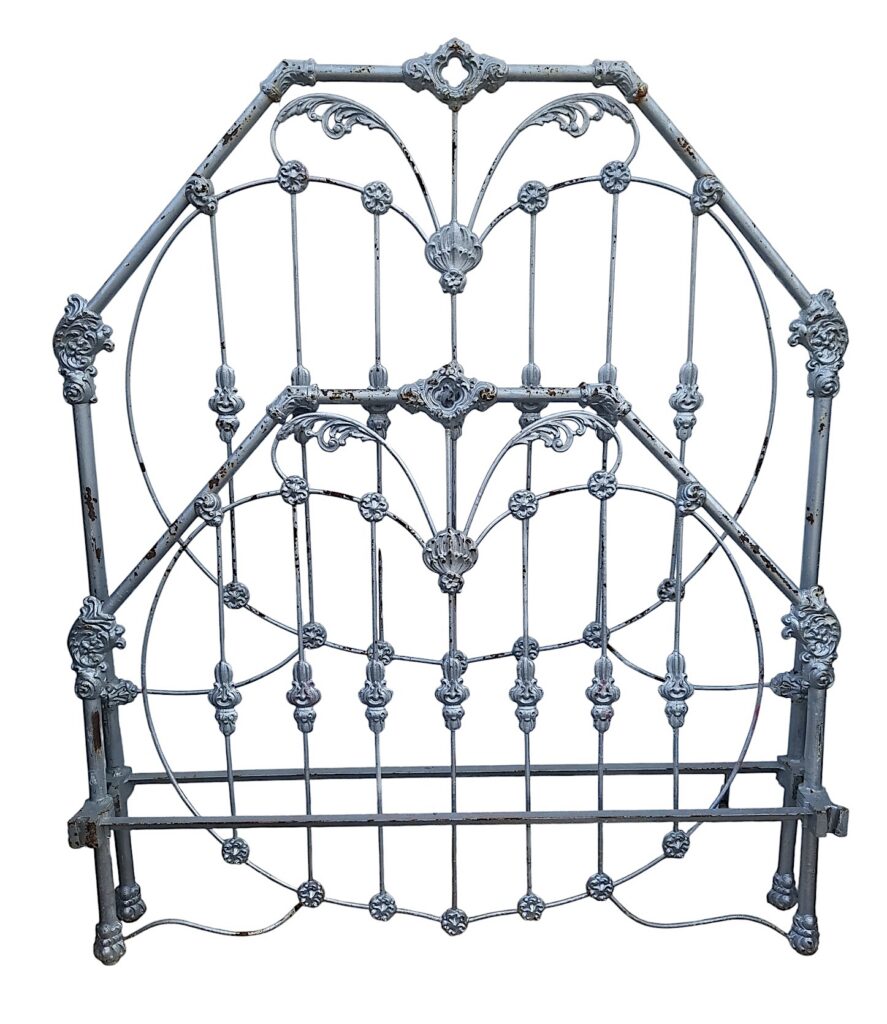
The bed featured here is a wonderful example of why castings are considered the fingerprint of antique iron beds.
Its decorative castings display exceptional detail and refinement, showcasing the expertise of the foundry that produced it. Every element demonstrates careful design and skilled execution, qualities that distinguish superior iron beds from more ordinary examples.
The depth of the patterns, the clarity of the details, and the overall harmony of the design reflect a level of craftsmanship that was achieved only by the finest manufacturers of the era.
More than simply decorative features, these castings serve as a historical record of the artistry and pride that defined the golden age of iron bed production.
Even after more than one hundred years, they continue to captivate collectors and admirers alike.
Why Collectors Appreciate Antique Iron Beds
Part of the enduring appeal of antique iron beds lies in their combination of beauty, durability, and history.
Unlike many modern furnishings, an antique iron bed was built to last for generations. The robust construction, combined with the artistry of its castings, creates a piece that functions both as furniture and as a work of art.
Collectors are often drawn to antique iron beds because each one possesses its own character. The castings, paint finishes, construction methods, and design details all contribute to the bed’s unique identity.
For many enthusiasts, discovering an antique iron bed with particularly fine castings is comparable to finding a rare piece of architectural art.
Preserving These Historic Treasures
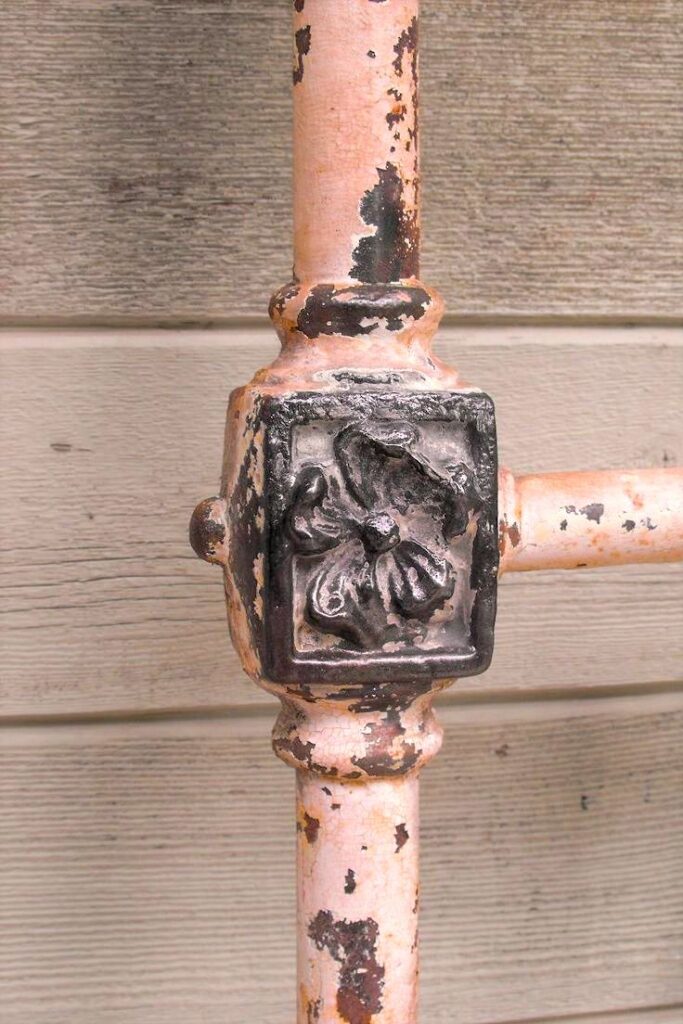 As antique iron beds continue to become more sought after, preserving their original castings becomes increasingly important.
Proper restoration can highlight the beauty of the castings while maintaining the bed’s historical integrity. Care should always be taken to preserve original details whenever possible, as these features contribute significantly to the bed’s authenticity and value.
Whether displayed in a historic home, a country cottage, or a modern interior, antique iron beds bring a sense of craftsmanship and permanence that is difficult to replicate today.
Conclusion
The castings found on antique iron beds are far more than decorative embellishments. They are a direct reflection of the foundry’s skill, artistry, and commitment to quality. Created by pouring molten iron into carefully crafted molds, these remarkable features reveal the craftsmanship that distinguished the finest manufacturers of the nineteenth century.
For collectors and enthusiasts, castings serve as the fingerprint of antique iron beds—unique identifiers that tell the story of the artisans and foundries that created them. The more intricate and detailed the castings, the more evident the quality of the workmanship behind them.
The beautiful iron bed featured here stands as a testament to that tradition. Its exceptional castings showcase the talent of a skilled foundry and remind us why antique iron beds continue to be treasured more than a century after they were made.
In every curve, scroll, and decorative flourish, these castings preserve a piece of history—one that continues to make antique iron beds among the most admired and collectible pieces of furniture today.