If you’ve ever browsed through antique shops, visited a flea market, or searched online for antique iron beds, you’ve probably noticed the words vintage and antique being used almost interchangeably. A beautiful old iron bed might be described as “vintage” by one seller and “antique” by another. An old mirror, wardrobe, or chest of drawers can receive the same treatment.
So, are the two words really the same thing?
The short answer is no. While both refer to older items with character and history, there is an accepted distinction between them. Understanding that difference can help buyers make informed decisions, appreciate the age and craftsmanship of an object, and perhaps even avoid paying antique prices for something that isn’t quite old enough to deserve the title.
What Makes Something Vintage?
In general terms, an item is considered vintage once it reaches around 20 years of age, but is less than 100 years old.
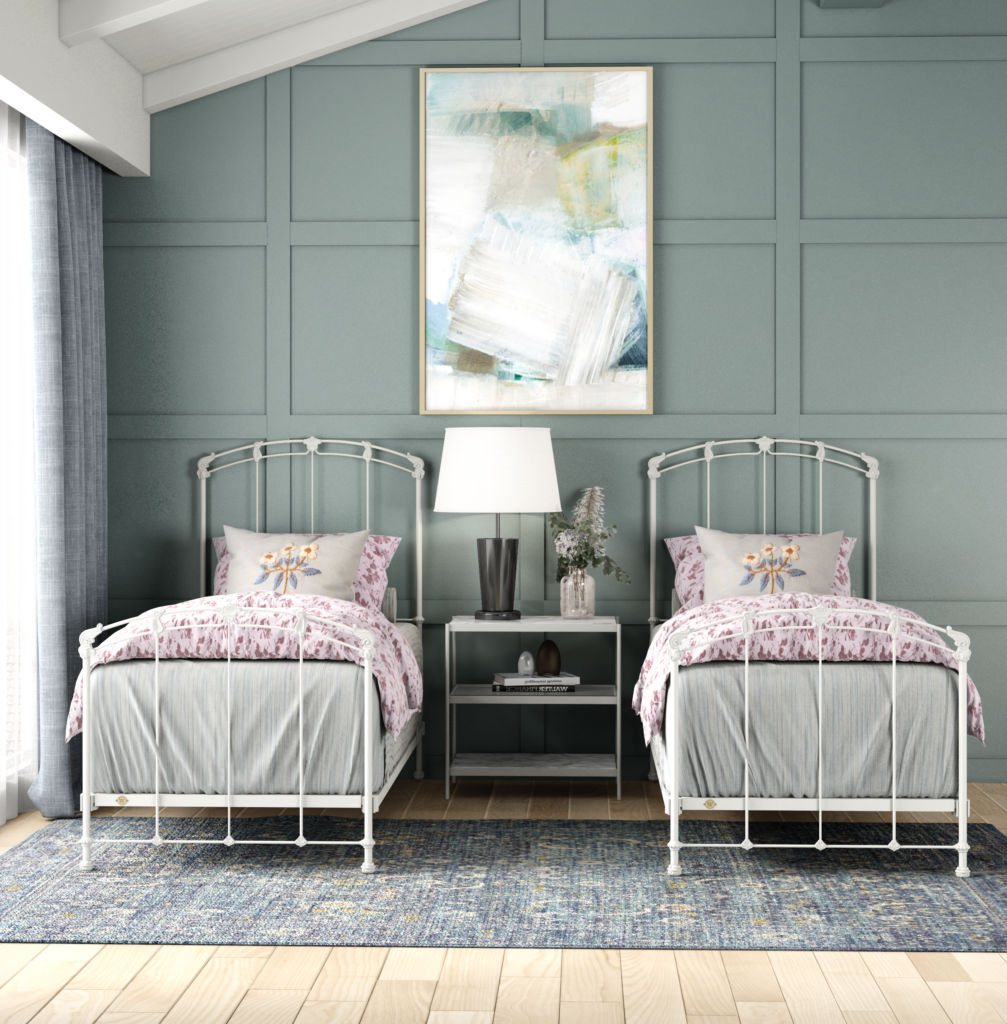
That means that today, furniture made in the late 20th century comfortably falls into the vintage category. Depending on the style, it may represent everything from Mid-Century Modern and Scandinavian design to the colourful trends of the 1970s and 1980s.
The word “vintage” originally came from the wine industry, referring to the year in which grapes were harvested. Over time, it began to describe objects that represented the style and quality of a particular era. Today, vintage has become something of a compliment. It suggests that an item has stood the test of time and still has appeal decades after it was made.
Vintage furniture often offers excellent quality. Many pieces were built before flat-pack furniture became commonplace, using solid timber, traditional joinery, and durable construction methods. While they may not yet be antiques, they frequently possess a level of craftsmanship that is increasingly difficult to find in newly manufactured furniture.
When Does Vintage Become Antique?
 The generally accepted benchmark is simple.
Once an object reaches 100 years of age, it can be described as an antique.
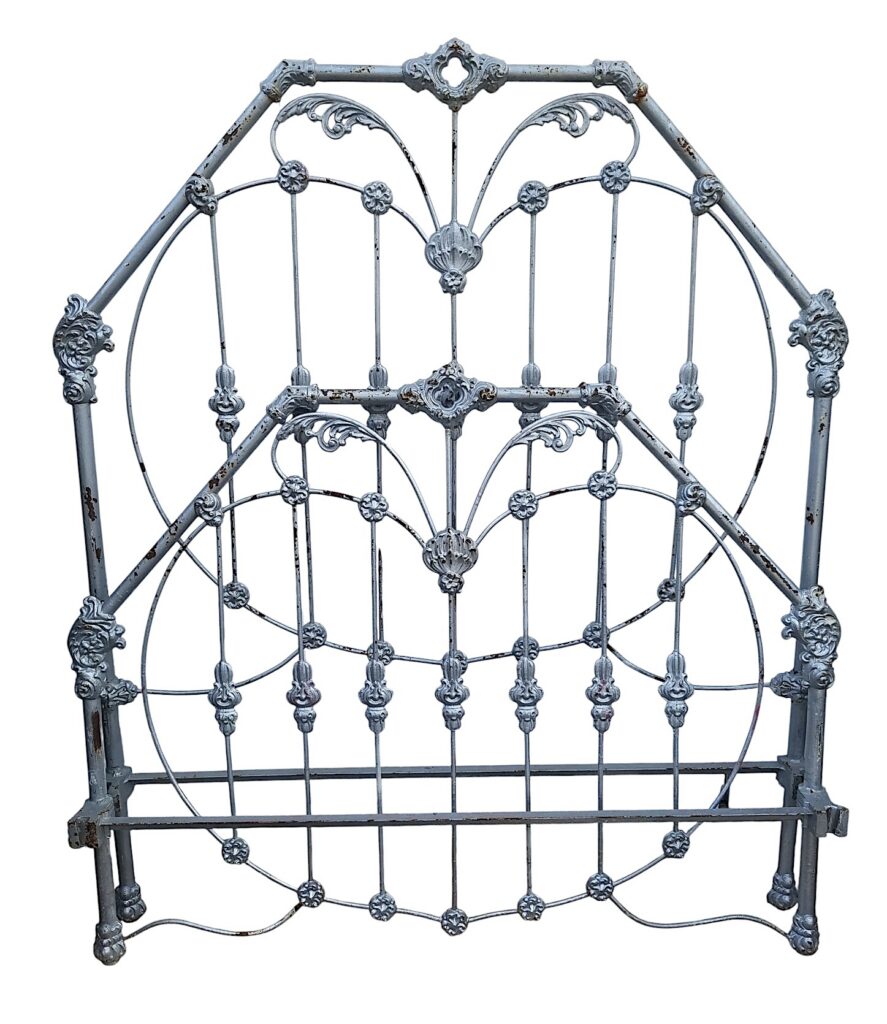
Antique iron beds have gone through generation upon generation and have stood the test of time. Newly made iron beds that are classified as “vintage”, although near exact replica’s of original antique iron beds……..don’t have the history backing them up.
This isn’t an arbitrary number invented by dealers to make something sound more valuable. It has long been recognised within the antiques trade and is also used in areas such as customs regulations and auction cataloguing.
Crossing the century mark places an object into a different category entirely. It becomes more than simply “old.” It becomes a surviving example of another era.
An antique has lived through changing fashions, changing technologies, and often several generations of owners. It carries with it a tangible connection to history.
Why 100 Years?
People sometimes ask why the line is drawn at one hundred years rather than fifty or seventy-five.
The answer is partly tradition and partly practicality.
A century represents a significant passage of time. Furniture that has survived for over one hundred years has demonstrated remarkable durability. It has often outlasted several homes, multiple owners, and countless changes in fashion.
Many antiques were also made during periods when furniture was expected to last a lifetime—and often several lifetimes beyond that.
Rather than being produced on assembly lines, pieces were frequently made by skilled craftsmen using techniques that had been handed down through generations. Repairs were made when needed rather than replacing the item altogether.
That longevity is part of what gives antiques their appeal.
Does Age Automatically Mean Quality?
Not necessarily.
While age is one factor, quality depends just as much on how an object was originally made.
There are beautifully crafted vintage pieces that are far superior to poorly made antiques. Likewise, not every antique is rare or valuable simply because it has reached its hundredth birthday.
Condition, craftsmanship, materials, rarity, provenance, and desirability all influence an item’s value.
A well-designed vintage sideboard made from solid oak may prove more useful and more sought-after than an ordinary antique cupboard that has suffered extensive alterations over the years.
Age is important—but it isn’t the whole story.
Why Do People Use the Terms Interchangeably?
The simple answer is that “vintage” has become a fashionable word.
For many people, vintage simply means “old-fashioned” or “looks old.”
Browse online marketplaces and you’ll often see items labelled vintage that are only ten years old, while genuine antiques are sometimes described as vintage because the seller feels the word is more familiar or appealing.
It’s usually not intended to mislead. Often it’s simply because the distinction isn’t widely understood.
For many buyers, the exact age matters less than whether they love the piece.
Does It Matter to the Average Buyer?
 In many cases, probably not.
Most people buying furniture for their home aren’t interested in technical definitions. They simply want something attractive, well made, and full of character.
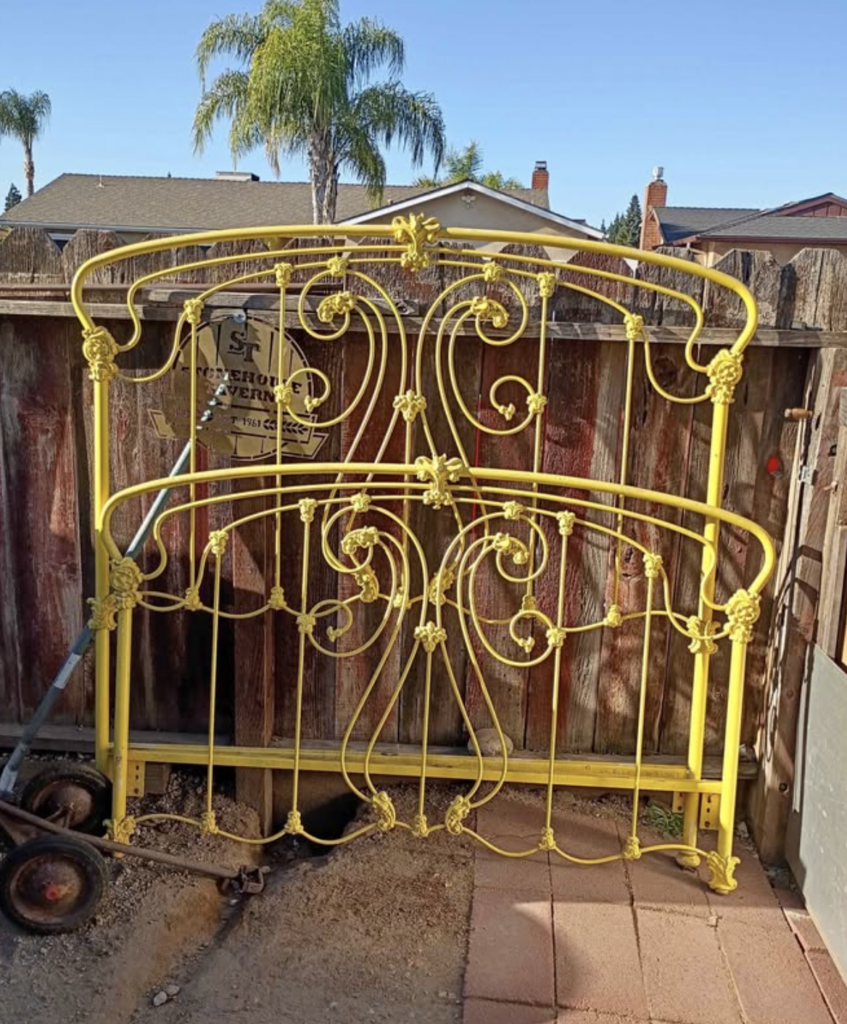
Whether a beautiful iron bed is ninety years old or one hundred and ten years old may not affect how much they enjoy sleeping in it.
They appreciate the craftsmanship, the individuality, and the sense of history that older furniture brings into a room.
And that’s perfectly understandable.
After all, most people don’t choose an older piece of furniture because they’re collecting museum exhibits. They choose it because it has warmth, personality, and a story to tell.
Why the Difference Still Matters
Although many buyers aren’t concerned with precise terminology, understanding the distinction is still worthwhile.
Correct descriptions help buyers know what they’re purchasing.
They also help preserve the history of older objects.
Calling every old piece an antique gradually dilutes the meaning of the word. If a 30-year-old cabinet is described as an antique, then the term loses its significance for furniture that genuinely dates back over a century.
For collectors, historians, restorers, and specialist dealers, accuracy matters.
It’s a way of respecting the age and heritage of the objects themselves.
Antique Iron Beds: Built to Last
Iron beds provide an excellent example of why these distinctions can be interesting.
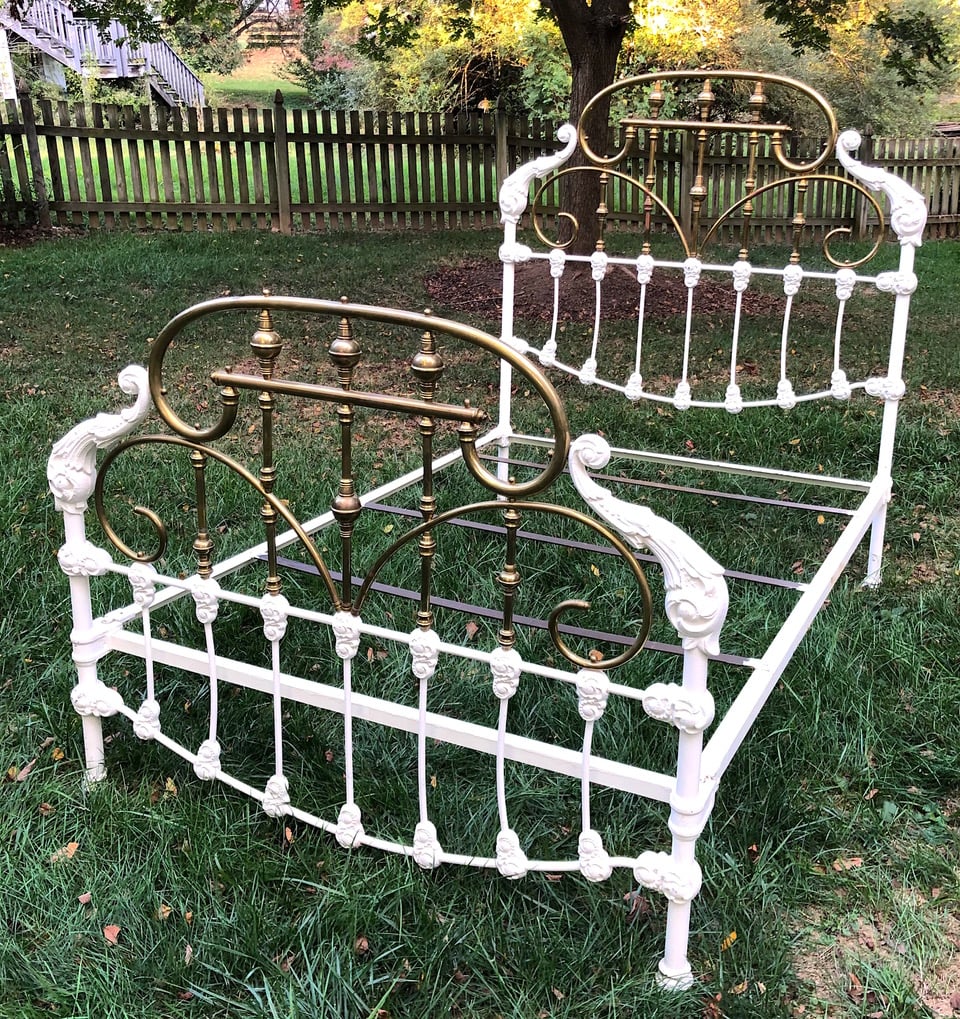
Many original Victorian and Edwardian iron bedsteads are now comfortably over one hundred years old, making them genuine antiques.
These beds were manufactured during a time when durability was expected. Cast iron and wrought iron frames were built to withstand daily use, often remaining in service for generations.
It’s not unusual to find antique iron beds that are still perfectly functional today after more than a century.
By contrast, iron beds produced during the 1950s, 1960s, or even later may have a similar appearance but are technically vintage rather than antique.
Both can be attractive.
Both can be well made.
Both deserve appreciation.
The difference lies simply in their age.
Character Can’t Be Manufactured
Whether vintage or antique, older furniture possesses something that newly manufactured reproductions often struggle to recreate.
Small signs of age tell a story.
The gentle wear on a bedpost, the smooth finish where generations of hands have polished the paint, or the slight imperfections that come from traditional manufacturing methods all contribute to an object’s individuality.
These aren’t flaws.
They’re reminders that the piece has lived a life before arriving in its current home.
Many people find that history impossible to replicate with brand-new furniture.
So… Which Is Better?
Neither.
Vintage and antique furniture each have their own appeal.
Vintage pieces often fit comfortably into modern homes, offering excellent quality with styles that remain practical and affordable.
Antiques provide a direct connection to history and craftsmanship from an earlier age.
The “better” choice depends entirely on personal taste, your home, and what you hope the piece will bring to your living space.
Final Thoughts
At the end of the day, whether something is described as vintage or antique doesn’t change its beauty or usefulness.
The distinction is simply one of age.
If it’s between 20 and 100 years old, it’s generally considered vintage.
If it’s 100 years old or more, it earns the title of antique.
Many people will continue to use the words interchangeably, and for everyday conversation that’s unlikely to cause much concern. But knowing the difference adds another layer of appreciation for the furniture and objects that have survived through the decades.
Every old piece has a story.
Some stories have been unfolding for a few decades.
Others have been unfolding for more than a century.
Either way, they’re well worth preserving.