Antique iron beds are timeless treasures that add elegance, history, and a touch of vintage charm to any bedroom. Whether you’ve inherited one or purchased it from a flea market, an antique iron bed can become the centerpiece of your room. However, when it comes to these vintage pieces, safety is something that should never be overlooked. Like all antiques, they may have hidden risks that need attention before you can rest easy in your cozy retreat. From lead-based paint to structural concerns, there are several important factors to consider when determining if your antique iron bed is safe.
Lead-Based Paint: A Hidden Danger
One of the most significant safety concerns with antique furniture is the potential presence of lead-based paint. Before 1978, lead-based paint was commonly used in homes and on furniture, including iron bed frames. In 1978, the federal government banned the use of lead-based paint for consumer products, but lead paint remained widespread for decades prior. Some states even banned the use of lead-based paint earlier, recognizing its toxicity and harmful effects.
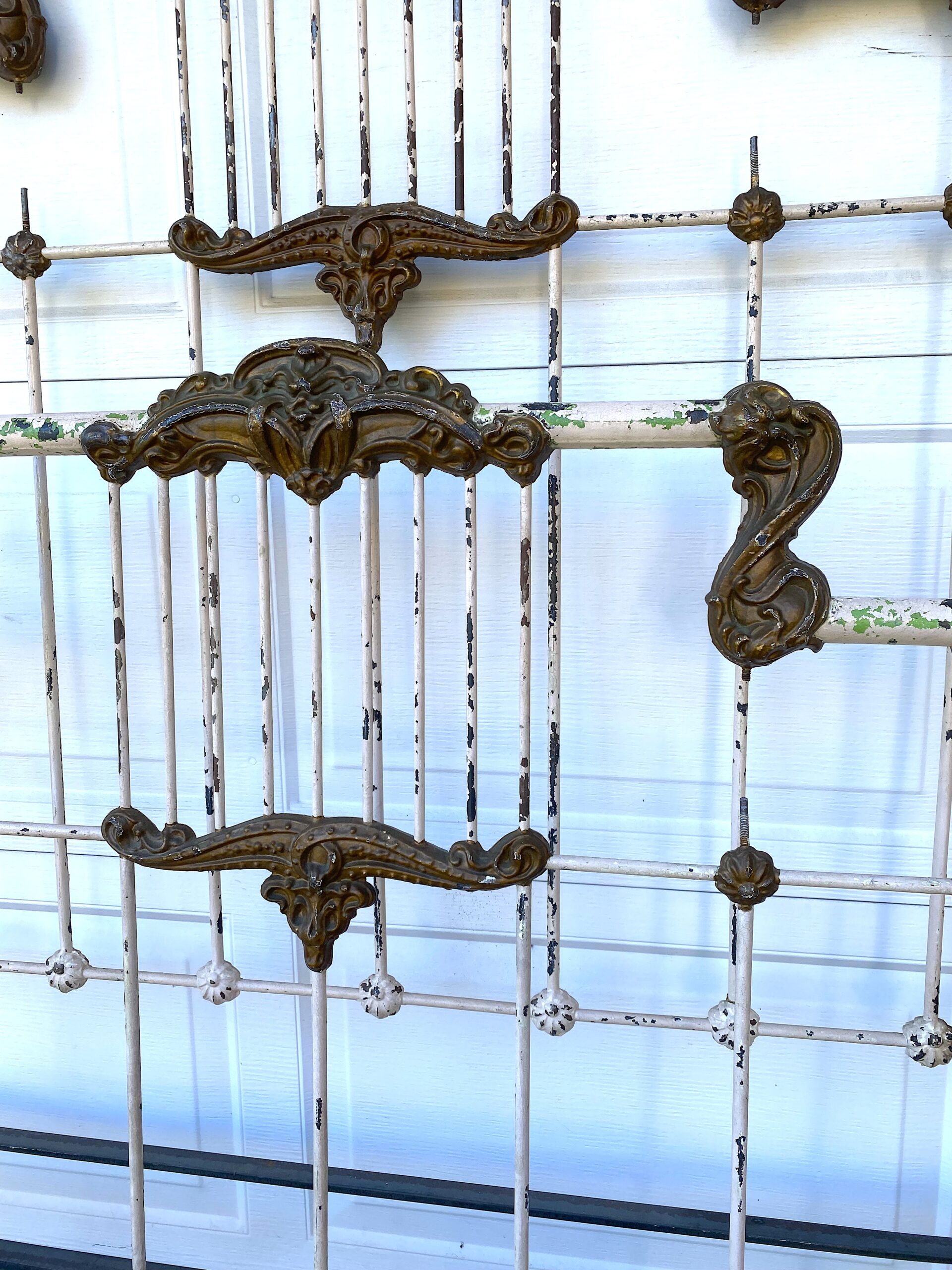
So, how do you know if your antique iron bed is painted with lead-based paint? If the bed is old enough, there’s a strong possibility that it contains lead. This is especially true if the paint is chipped, cracked, or peeling. Lead dust or flakes can pose serious health risks if they’re inhaled or ingested, especially for children or pregnant women.
What to Look For:
- Chipped or Peeling Paint: If you notice paint chipping off or peeling, it’s time to take action.
- Age of the Bed: Beds manufactured before 1978 are more likely to have lead-based paint, although it’s important to note that lead paint was used even earlier.
What You Can Do:
If the paint is in good shape, it is usually safe as the lead paint is contained under the surface. However, when the paint is deteriorating, it can release lead dust and pose a health risk. If you suspect that your antique iron bed may have lead-based paint, it is crucial to take precautions.
You have two main options:
- Lead Paint Testing: Hire a professional to test the paint on your bed for lead. If the bed has lead-based paint, it’s crucial to decide whether you want to safely remove it or encapsulate it.
- Encapsulation: Instead of removing the lead paint, you can encapsulate it by painting over it with an appropriate type of lead-safe paint. This technique creates a sealed surface that reduces the risk of exposure. However, it’s essential to use special lead-safe paints, not just any type of household paint.
Side Rails and Structural Integrity
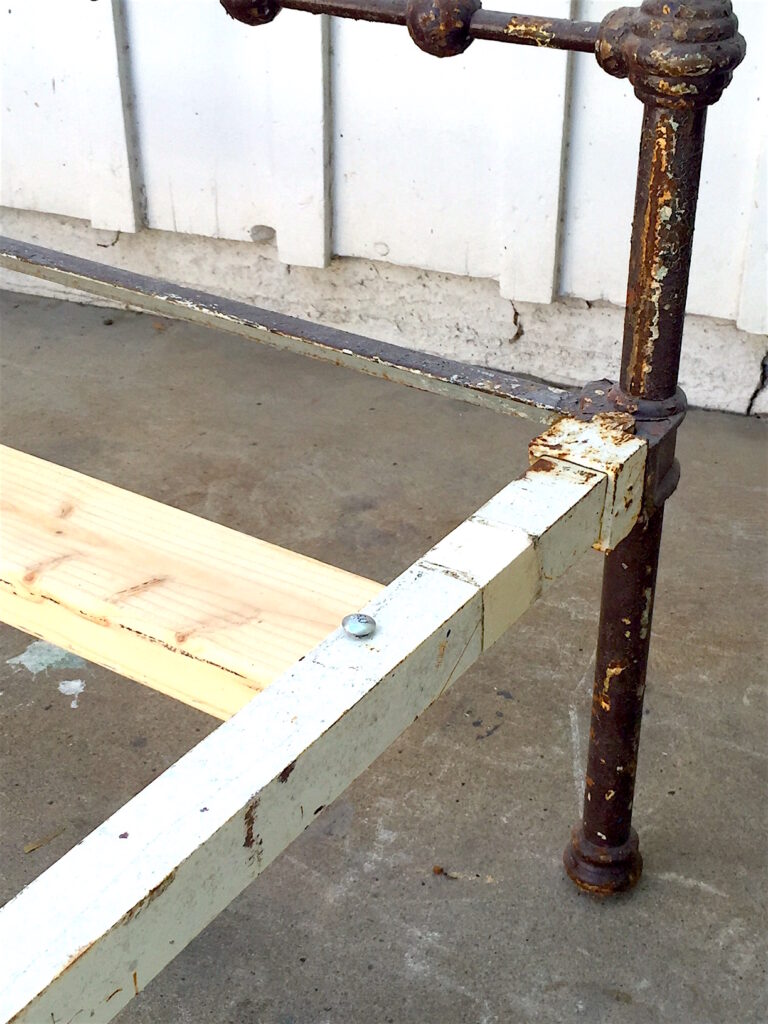
Another important consideration when assessing the safety of your antique iron bed is its structural integrity. Over the years, iron beds can suffer from weakened or damaged components, particularly the side rails that connect the headboard and footboard.
The Importance of Original Side Rails:
It’s crucial to have the original side rails that were made with the bed. Many antique iron beds were crafted with specific side rails that were custom-designed for their particular frame. Over time, these original side rails may become worn, bent, or damaged, compromising the stability of the bed.
If your bed is wobbly, it may be due to missing or mismatched side rails. In this case, it’s essential to find the correct side rails that were made for the bed. Using non-original rails or mismatched components can make the bed unstable and unsafe.
Signs of Side Rail Issues:
- Wobbling or Shaking: If the bed moves or shakes when you press against it, the side rails may be loose or damaged.
- Misalignment: If the headboard and footboard are not aligned correctly with the side rails, this could signal a problem with the frame’s structure.
- Bent or Rusted Rails: Visible signs of wear, such as bent or rusted side rails, can undermine the bed’s stability.
What You Can Do:
- Inspect the Rails: Carefully inspect the side rails for any signs of damage, such as rust, corrosion, or bending. If the rails are bent, cracked, or rusted, they should be replaced.
- Ensure Proper Fitting: Make sure the side rails fit securely with the headboard and footboard. If the rails are not a perfect match for the bed, it may affect the overall strength and safety of the structure.
- Reinforce the Bed: In some cases, it may be necessary to reinforce the side rails with additional brackets or support beams to improve stability.
Bed Slat Support: Enhancing Stability for Modern Mattresses
Another consideration when assessing the safety of an antique iron bed is the bed slat support system. Many antique beds were designed with wooden slats that were not built to support the larger, heavier mattresses commonly used today. Modern pillow-top mattresses can be significantly heavier than the mattresses used when the bed was originally manufactured, so it’s essential to ensure that the slat support system is capable of holding the weight.
The Importance of Upgrading Slat Supports:
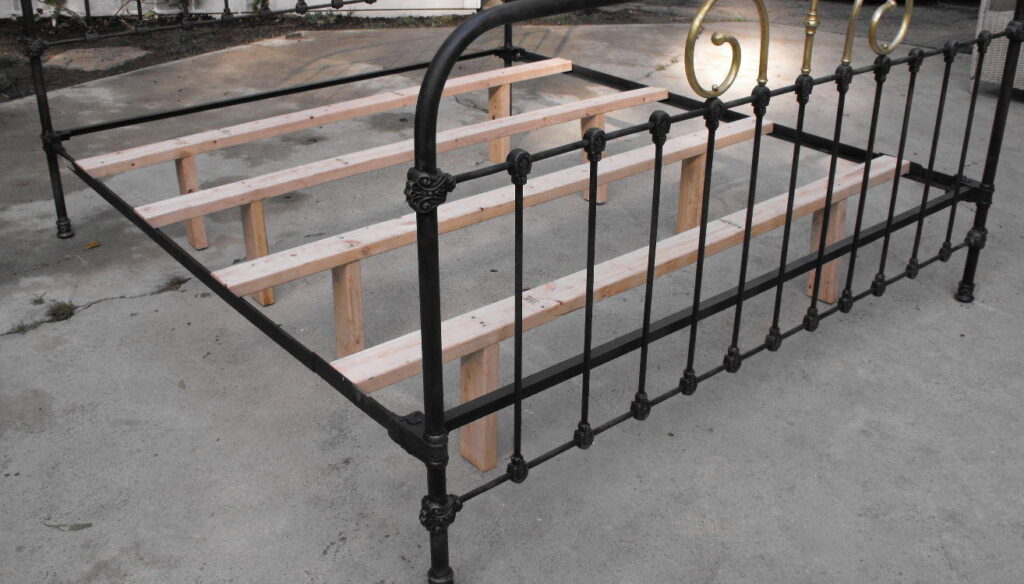
To enhance the stability and safety of your antique iron bed, you should upgrade the bed slat support system. The original slats may not provide the necessary support for modern mattresses. Upgrading to new wooden 2″ x 4″ bed slats is an excellent way to structurally strengthen the frame and ensure that it can safely support the added weight.
Signs You Need New Slats:
- Sagging or Bowing: If the slats begin to sag or bow under pressure, this indicates that they are no longer providing adequate support.
- Broken or Missing Slats: If any of the slats are missing, broken, or damaged, the bed will lack proper support.
- Noise: If you hear creaking or popping sounds when sitting or lying on the bed, it could mean the slats are not strong enough to handle the weight.
What You Can Do:
- Install New Slats: Replacing old slats with new, sturdy wooden 2″ x 4″ slats is an easy and effective way to increase the bed’s strength and stability. These larger, stronger slats can hold the weight of today’s heavier mattresses and provide a solid base for a comfortable night’s sleep.
- Consider a Support Foundation: In addition to upgrading the slats, you may want to add a box spring or a mattress foundation to further reinforce the bed.
Rust and Corrosion: Assessing the Metal Frame
Iron beds are generally sturdy, but over time, they can suffer from rust and corrosion, which can weaken the frame and compromise its safety. Rust can develop due to exposure to moisture, and it can spread quickly if left untreated.
Signs of Rust and Corrosion:
- Visible Rust Spots: Check the frame for visible rust, particularly around joints or seams.
- Weakness or Flimsy Areas: If you notice any areas of the bed frame that feel soft, weak, or brittle, rust or corrosion may have compromised the metal’s strength.
What You Can Do:
- Clean and Treat Rust: If you find rust, you can clean it off with a wire brush and then apply a rust inhibitor or primer to prevent further damage.
- Repaint the Frame: After removing rust, it’s a good idea to repaint the frame with a protective metal paint designed to prevent rust from reappearing.
- Seek Professional Help: If the rust is extensive or the frame appears structurally compromised, consider consulting a professional to repair or restore the frame.
Conclusion
Antique iron beds are beautiful, but safety should always be a priority. From lead-based paint to structural issues, there are several factors to consider when ensuring your bed is safe to use. Regular inspection and maintenance, including addressing lead paint, reinforcing side rails, upgrading slat supports, and treating rust, can help you enjoy your vintage piece without worry.
By taking the time to evaluate the safety of your antique iron bed, you not only preserve its charm but also ensure that it provides you with many more years of restful nights. Whether you’re restoring the bed for future generations or simply want to make it safe for yourself and your family, a little attention to detail will go a long way in protecting both the bed and your well-being.