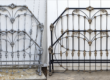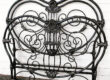

There’s something profoundly timeless about antique iron beds. These sturdy, elegant pieces of furniture do more than just provide a restful night’s sleep—they are tangible pieces of history, carrying the legacy of past generations. When you own an antique iron bed, you’re not just inheriting a piece of furniture; you’re becoming a caretaker of a story, a moment in time, and a slice of history that spans over a century. It’s a role and responsibility that goes beyond mere ownership. As caretakers, we have the privilege—and the duty—to preserve these beautiful relics for future generations.
The Legacy of Antique Iron Beds
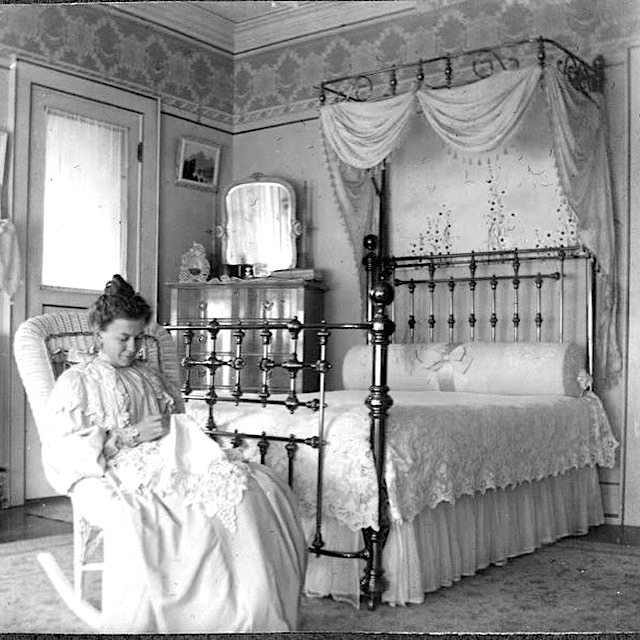
The story of iron beds dates back to the early 19th century, a time when the Industrial Revolution was reshaping the world. Iron beds, often hand-forged from cast iron or steel tubing, were seen as a luxurious and practical solution to the growing needs of a burgeoning population. While today’s metal beds might be a common fixture in homes, back then, an iron bed was a symbol of both durability and modernity.
These iron beds were born in an era filled with remarkable historical events—when Abraham Lincoln was president, when Billy the Kid roamed the Wild West, and when the Wright brothers soared into the skies in Kitty Hawk, North Carolina. They were made during a time when industrialization was beginning to impact nearly every aspect of life, from manufacturing to transportation to home furnishings. It’s astonishing to think that the very same beds that once cradled people during such monumental moments in history are still around today, awaiting their next chapter.
A Test of Time: Why Antique Iron Beds Are So Special
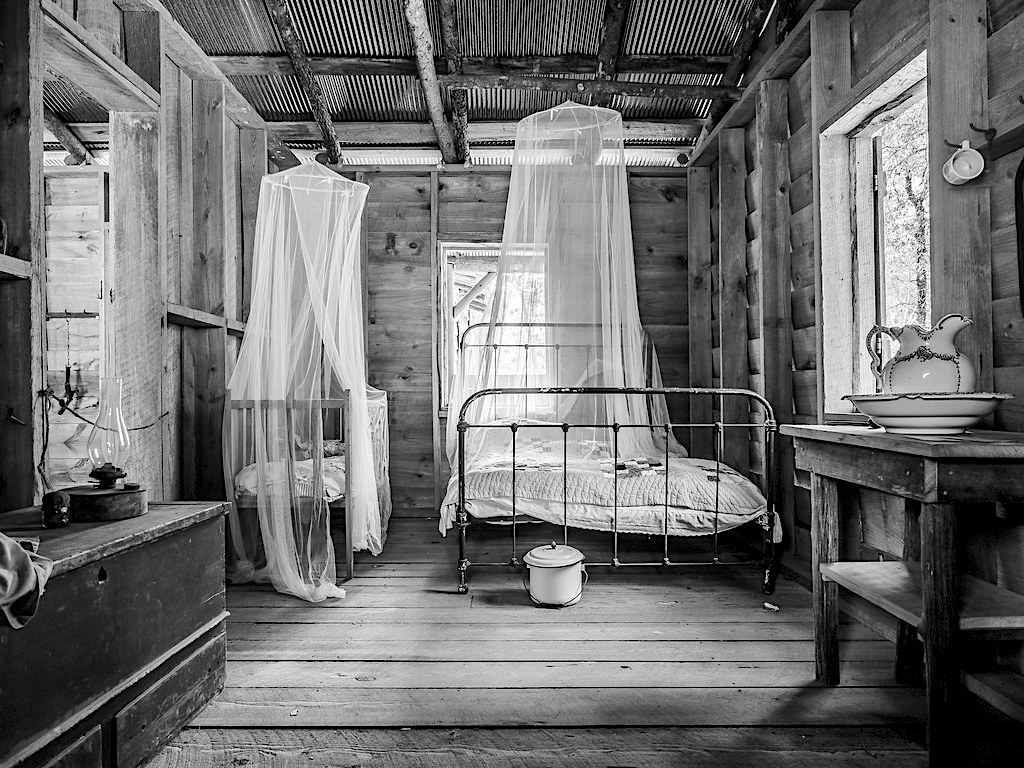
One of the most fascinating aspects of antique iron beds is their remarkable durability. Unlike today’s modern furniture, which is often designed with built-in obsolescence—think of cheap materials, self-assembly components, and disposable designs—iron beds were crafted to last. Made primarily from cast iron and steel tubing, these beds have the kind of robustness that modern designs simply can’t replicate. The materials used in antique iron beds were chosen for their strength, longevity, and resistance to wear. These iron beds were meant to endure for generations.
Many antique iron beds are still in pristine condition, thanks to the materials used in their creation. The craftsmanship of the past was rooted in a commitment to quality, and when you look at an antique iron bed, you’re witnessing the result of that dedication. These beds were built to stand the test of time, and the fact that so many are still in use today speaks volumes about the durability of these pieces.
Unlike modern products that are often designed with a “shelf life” in mind, iron beds from the past were made to last a lifetime—and then some. The care and attention to detail in their manufacturing means that they often survive for decades, even centuries, without losing their integrity. With proper maintenance, an antique iron bed can remain as sturdy and functional as it was when it was first crafted.
The Responsibility of Owning an Antique Iron Bed
Owning an antique iron bed isn’t simply a matter of having an attractive and functional piece of furniture—it’s about taking on the responsibility of preservation. Antique iron beds are fragile pieces of history, and preserving them for future generations is a task that requires care, attention, and respect.
When you inherit or acquire an antique iron bed, you are becoming the steward of a legacy that dates back to a different time. You are tasked with preserving not just the physical bed itself, but the memories and stories it carries. Each bed has its own history, its own journey—whether it’s passed down through multiple generations or acquired from an antique dealer who can trace its origins.
The bed may have witnessed the lives of multiple family members, provided comfort during times of rest and illness, or even been passed down as a cherished heirloom. It’s not just a bed; it’s a symbol of continuity, and preserving it is an acknowledgment of the importance of family, heritage, and tradition.

How to Care for Antique Iron Beds
The care of antique iron beds is not as difficult as it might seem, but it does require a level of attention that modern furniture may not need. Here are a few key considerations to keep in mind when caring for your antique iron bed:
- Regular Cleaning and Maintenance Antique iron beds should be cleaned regularly, but it’s essential to use the right tools and products. Avoid harsh chemicals that could damage the finish or paint. A gentle soap and water solution is usually enough to clean the surface, followed by a soft cloth to avoid scratching. For removing rust or dirt buildup, use a fine steel wool or a rust remover specifically designed for metal surfaces.
- Rust Prevention As with any metal furniture, rust can become a concern, especially if the bed is in a humid environment. To prevent rust, ensure the bed is kept in a dry place, and consider applying a clear metal sealant or wax that offers additional protection.
- Repainting or Touch-Ups If the paint on your antique iron bed begins to chip or fade, consider touching it up with a paint that is appropriate for metal surfaces. You might choose a classic black or white finish to maintain the vintage look, or opt for a color that complements your bedroom decor. When repainting, it’s essential to remove any rust first, then apply a primer designed for metal to ensure the new paint adheres properly.
- Structural Integrity Over time, the bed’s structural integrity may need attention. Ensure that all bolts, screws, and joints are tight and secure. If there’s any sign of damage to the frame, it’s best to have it repaired by a professional who specializes in antique furniture restoration. Do not attempt to make major repairs yourself, as you may inadvertently damage the bed.
- Mattress Compatibility Antique iron beds often come with slats or crossbars that are designed to support the mattress. However, modern mattresses may be larger or heavier than those for which the bed was originally designed. If this is the case, consider using a modern foundation or box spring to ensure the mattress fits properly and provides the support needed for a restful sleep.

Antique Iron Beds as Heirlooms
When you own an antique iron bed, you’re not just preserving a piece of furniture—you’re preserving a legacy. These iron beds serve as tangible connections to the past, linking us to the people who once rested in them and to the times they lived through. Whether it was a child being tucked in at night during the Great Depression or a soldier returning home after World War II, these iron beds were there, offering a place for rest, reflection, and rejuvenation.
As we look to the future, it’s essential that we continue to care for these beautiful antiques. By preserving our antique iron beds, we ensure that the stories they carry will live on for generations to come. Each time we dust off the frame, touch up the paint, or fix a loose bolt, we’re not just caring for an inanimate object—we’re honoring history. We’re protecting the legacy of the families and generations that came before us, ensuring that future generations will have the opportunity to experience the same comfort, history, and beauty that we do today.
So, the next time you rest in your antique iron bed, take a moment to appreciate its craftsmanship, its history, and the responsibility you carry as a caretaker of this enduring piece of history. Just as these iron beds have withstood the test of time, so too can we ensure their legacy endures for many years to come.
Hope you’ve enjoyed this Blog on being a “caretaker” of a little slice of history and you’ll take the time to return to our site to see our great collection of “old” antique iron beds. Here is a direct link for your convenience.