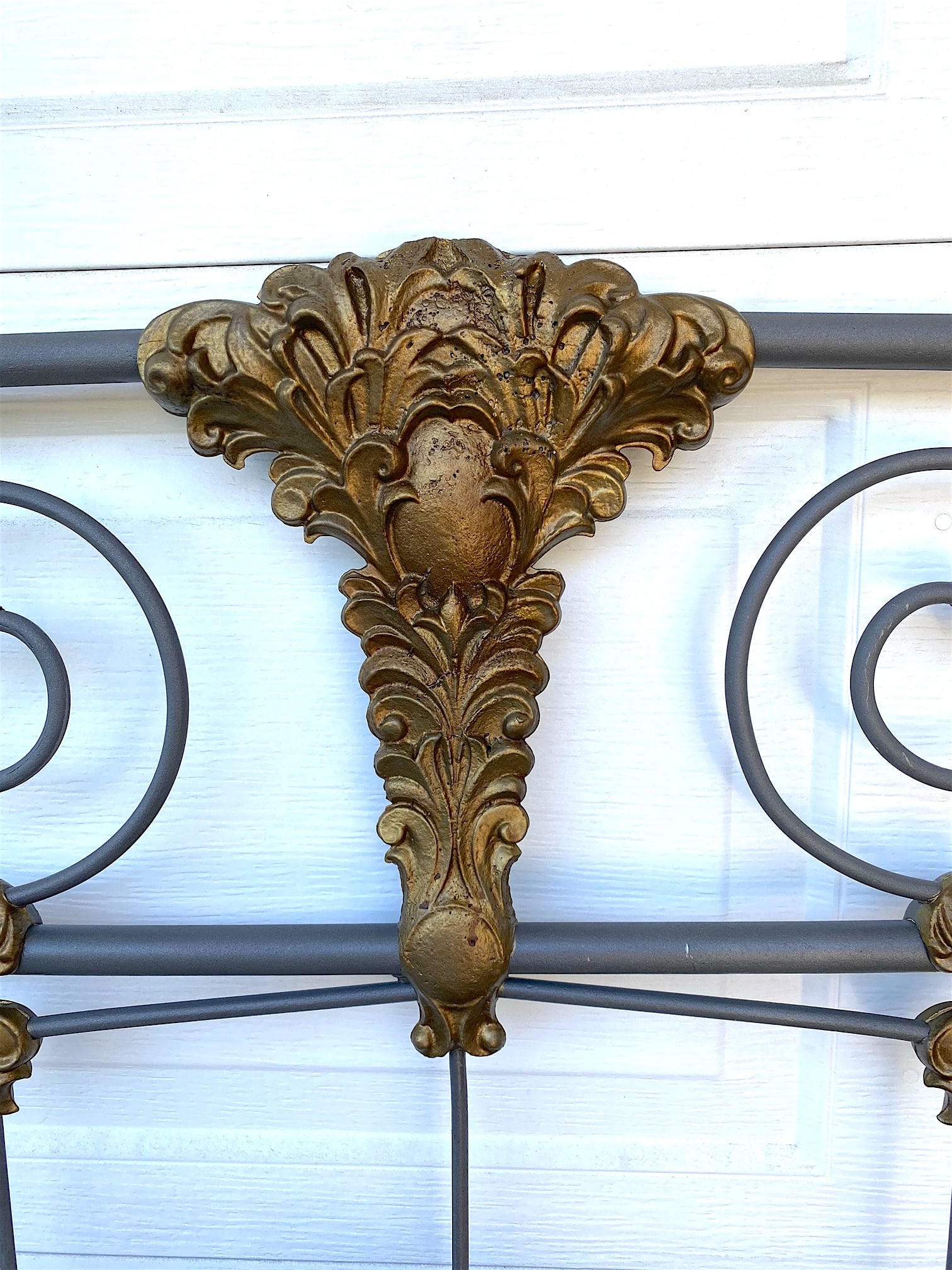
When it comes to antique iron beds, few features have a greater impact on their value, collectability, and overall appeal than the quality, quantity, and size of the castings. For collectors and enthusiasts alike, understanding the role of these castings in the design of iron beds is essential. Not only does the casting size indicate the craftsmanship and durability of a bed frame, but it also plays a crucial role in determining its historical significance and, ultimately, its market value.
The Role of Castings in Antique Iron Beds
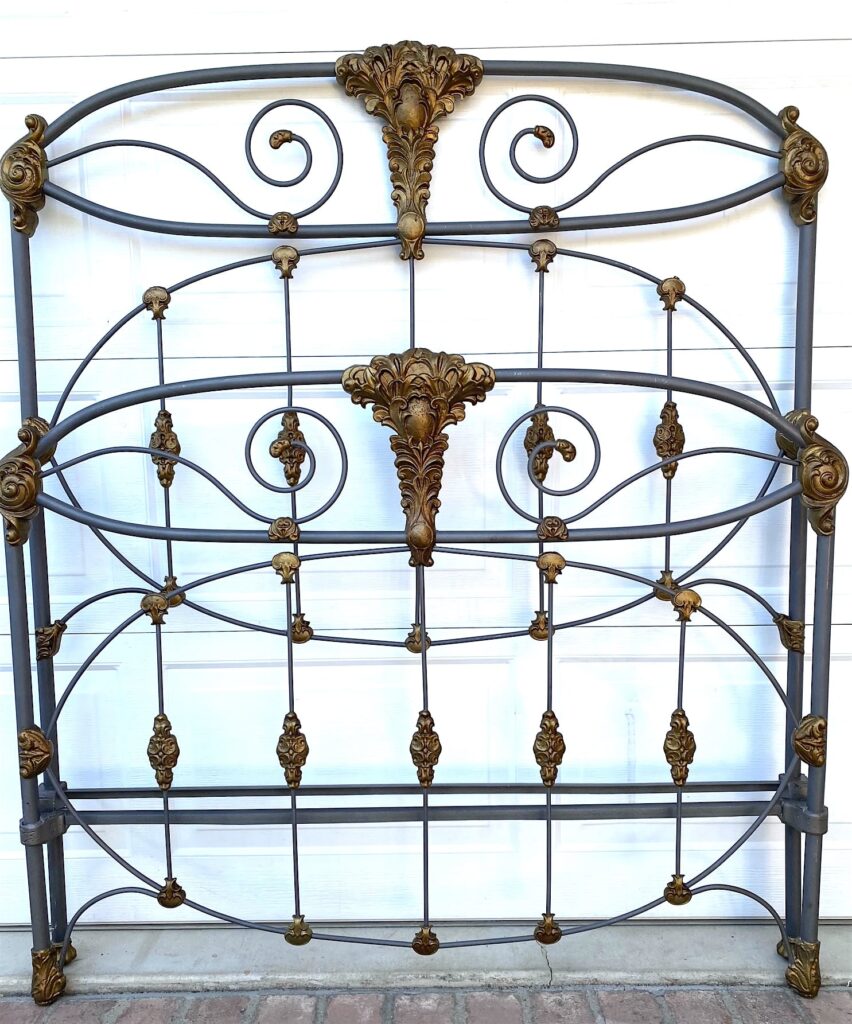
Before diving into the specifics of size and quality, let’s first take a moment to understand what we mean by “castings” in the context of antique iron beds. A casting refers to a decorative or structural element made from molten metal (usually iron), which is poured into molds to create intricate designs and patterns. These castings were often used as both ornamental flourishes and key structural supports on the bed frame. The designs ranged from simple, functional forms to highly detailed, ornamental pieces.
For vintage beds, the castings were an essential part of the bed’s visual appeal. They were used to adorn the headboard, footboard, and side rails, adding beauty and elegance to the frame. In many cases, these castings were the defining feature of the bed, making it an instant focal point in a bedroom.
Quality Over Quantity: The Impact of Large, Detailed Castings
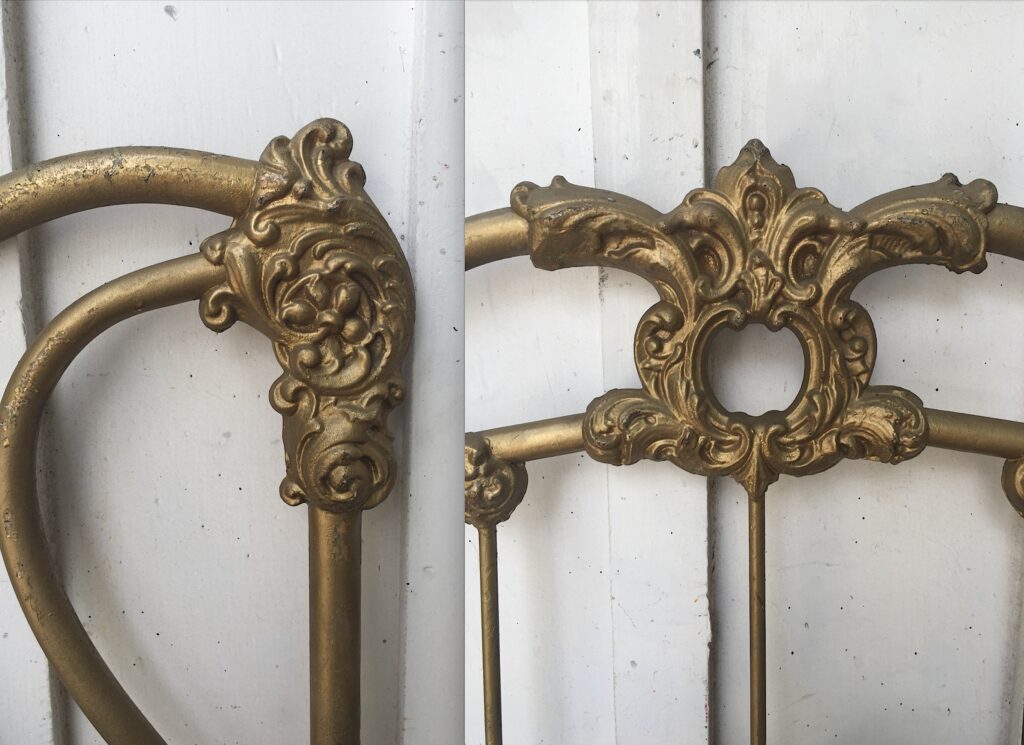
The most collectible antique iron beds tend to feature large, intricate castings. These beds were typically crafted by skilled blacksmiths or specialized foundries, and their complexity required advanced techniques. The larger the casting and the more detailed the design, the more effort and time went into its creation, which directly impacted the bed’s cost and desirability.
Victorian-era furniture, especially iron beds, was all about extravagance and elegance. The size and craftsmanship of the castings made the beds stand out as luxurious, high-end pieces of furniture. In fact, just as today’s car buyers seek out vehicles with the latest features, in the Victorian era, wealthy individuals sought out beds that were designed with ornate, large castings that reflected their social status and taste for the finer things.
Smaller, Simpler Castings: Less Expensive, but Still Valuable
On the other hand, simpler iron beds made for mass production or more modest households typically featured smaller, less detailed castings. These designs often adhered to a more utilitarian aesthetic, prioritizing functionality over ornamentation. While these beds may not fetch as high a price as their larger, more elaborate counterparts, they still hold value for collectors, especially when well-preserved or in rare configurations.
The smaller, plainer castings used in these beds were often cast in simpler molds and featured fewer embellishments. While less ornate, these beds still reflect the craftsmanship of the time, and as such, they appeal to collectors who appreciate the history and authenticity of older vintage beds. For example, many iron beds from the late 19th and early 20th centuries have simple, geometric shapes or floral motifs that show off the era’s desire for clean lines and functional design.

Size Does Matter: How the Castings Reflect the Bed’s Value
So, how do the size and quality of the castings affect the overall value of an antique iron bed? The larger and more intricate the castings, the higher the bed’s likely value. These beds were made for the wealthy elite who could afford to indulge in the luxury of finely crafted furniture. Consequently, they are rarer, more sought after, and more expensive today. Large, ornate castings often reflect the skill of the manufacturer and the quality of the materials used, which only adds to their desirability.
Furthermore, beds with larger and more complex castings were often made by well-known, respected manufacturers who specialized in high-end furniture. These manufacturers typically took great care in selecting the best iron, ensuring that the beds were both sturdy and long-lasting. Their beds were often finished with elaborate details like floral scrollwork, swirling patterns, or even symbolic motifs, adding another layer of artistry to the piece.
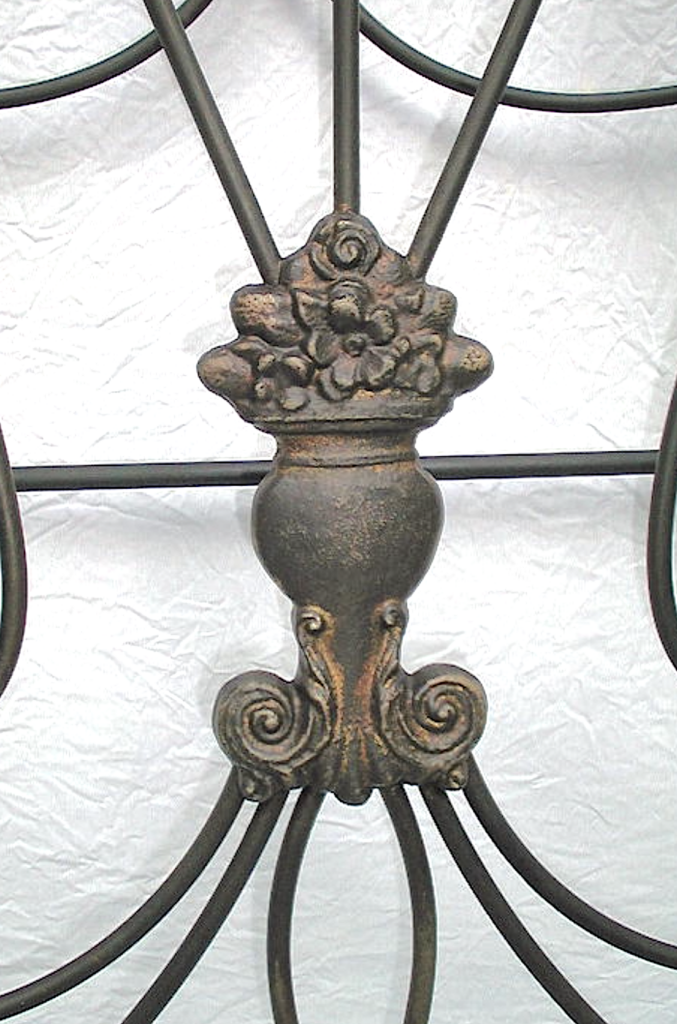
Cast Iron Bed Frames and the Victorian Desire for Opulence
The Victorian era, with its fondness for grandeur and decoration, was a time when iron beds reached new heights of decorative sophistication. The larger the casting, the more it signified the owner’s wealth and taste. The popularity of intricate bed designs with bold castings often mirrored the trends in other furniture pieces during the period. Think about the heavy, detailed wrought iron gates and the grandiose chandeliers that were equally prized in Victorian homes.
Some manufacturers took their iron casting skills to extreme lengths, creating massive bed frames with headboards and footboards that towered over the sleeper. The elaborate iron beds of the time often featured oversized castings with multiple layers of detail, making them seem more like works of art than mere functional furniture. The combination of size, quality, and the intricate casting designs helped cement these beds as status symbols of the Victorian elite.
Antique Iron Bed Collecting: What to Look For
When purchasing an antique iron bed, collectors should consider several key factors in addition to the size of the castings. The design of the castings, the quality of the iron, and the overall condition of the bed all play important roles in determining its value. However, the presence of large, detailed castings is often the most important indicator of a bed’s collectability.
- Casting Style: Ornate floral patterns, scrollwork, and even motifs of birds or animals can elevate a bed’s value.
- Material Quality: The iron should be solid and free from significant rust or damage. Even with the finest castings, a bed with a weak or compromised frame will lose much of its appeal.
- Rarity: Beds with unusually large or detailed castings, or those made by renowned manufacturers, are more rare and will fetch higher prices.
- Condition: As with any antique, the condition of the bed is vital. A bed with original paint or finish intact is more valuable than one that has been heavily restored or altered.
The Modern Influence of Antique Cast Iron Beds
Interestingly, the influence of these antique iron beds continues to reverberate in contemporary furniture design. Many modern reproductions of vintage beds often try to mimic the grandeur and complexity of the original castings. While today’s beds may not carry the same level of craftsmanship or history, the large, ornate castings of yesteryear remain a point of inspiration for many contemporary interior designers.
Moreover, the demand for vintage-style décor has seen a resurgence in recent years, with many homeowners opting for vintage beds or antique iron beds as focal points for their bedrooms. This renewed interest means that collectors can still find beautiful, well-crafted iron beds with detailed castings, even if they are not as rare as they once were.
Conclusion: The Timeless Appeal of Antique Iron Bed Castings
When it comes to antique iron beds, size and quality truly do matter. Large, detailed castings indicate high craftsmanship, increased durability, and a more luxurious product. These factors were key considerations during the Victorian era, when beds with ornate iron castings were a symbol of wealth and taste.
For today’s collectors, the appeal of vintage beds lies in the history they represent, the artistry they showcase, and the craftsmanship they embody. Whether small and simple or large and elaborate, iron beds are an enduring testament to the skill of past artisans. And just as size and features matter when choosing modern cars, the more intricate and impressive the iron bed’s castings, the more it will be valued—both by collectors and by those who appreciate the timeless beauty of antique furniture.
Hope you’ll take the time to revisit our website. Here is a direct link for your convenience.